
Authorities in Gran Canaria are leaving visitors in the dark—or rather, in the dust—as hazardous air conditions grip the island for a second consecutive day. With tourism at its peak, critics say officials are failing to communicate the severity of an unfolding public health emergency.
Playa del Ingles, Gran Canaria — A dangerous combination of record-breaking tourism and extreme air pollution is unfolding across Gran Canaria, where hotels and holiday rentals are sold out at record prices, while air quality has deteriorated to life-threatening levels.
Record Tourism Meets Environmental Emergency
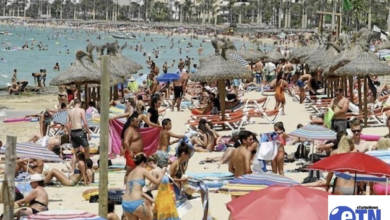
Popular destinations, including Playa del Inglés, are experiencing full occupancy, with hotels and Airbnbs charging record rates amid a surge in European visitors. Tourism operators describe the current influx as one of the strongest in years.
But while business is booming, conditions on the ground tell a different story.
Sahara Dust Turns Skies Gray, Air Becomes Hazardous


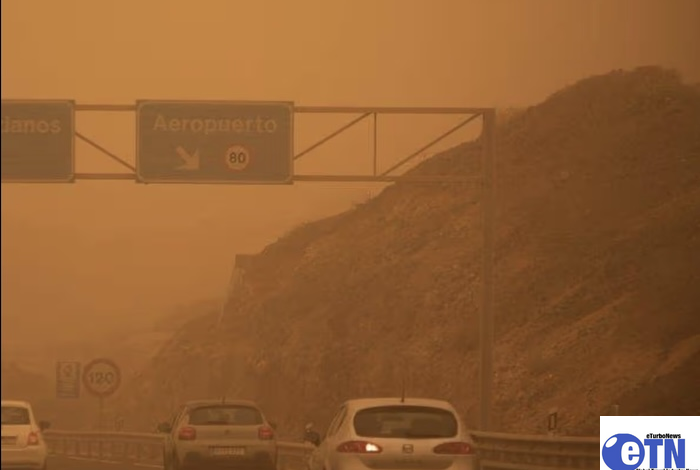
A severe calima event—caused by Saharan dust blowing across the Atlantic—has engulfed the island in a dense gray haze. Although the sun remains visible above the dust layer, ground-level air quality has sharply declined.
Yesterday, the air quality was already classified as hazardous. Today, conditions worsened further, with PM2.5 levels peaking at 369, indicating extreme fine particulate pollution.
Air Quality Index Signals Public Health Emergency
| AQI value | Category | Health meaning |
|---|---|---|
| 0 – 50 | Good | Air quality is satisfactory. |
| 151 – 200 | Unhealthy | Everyone can begin to experience health effects. |
| 301+ | Hazardous | Health warning of emergency conditions. |
An AQI reading above 300 is considered hazardous. At 369the situation in Gran Canaria is firmly within emergency territory.
For comparison, the World Health Organization recommends a 24-hour PM2.5 exposure limit of just 15making current levels more than 24 times higher than the recommended limit.
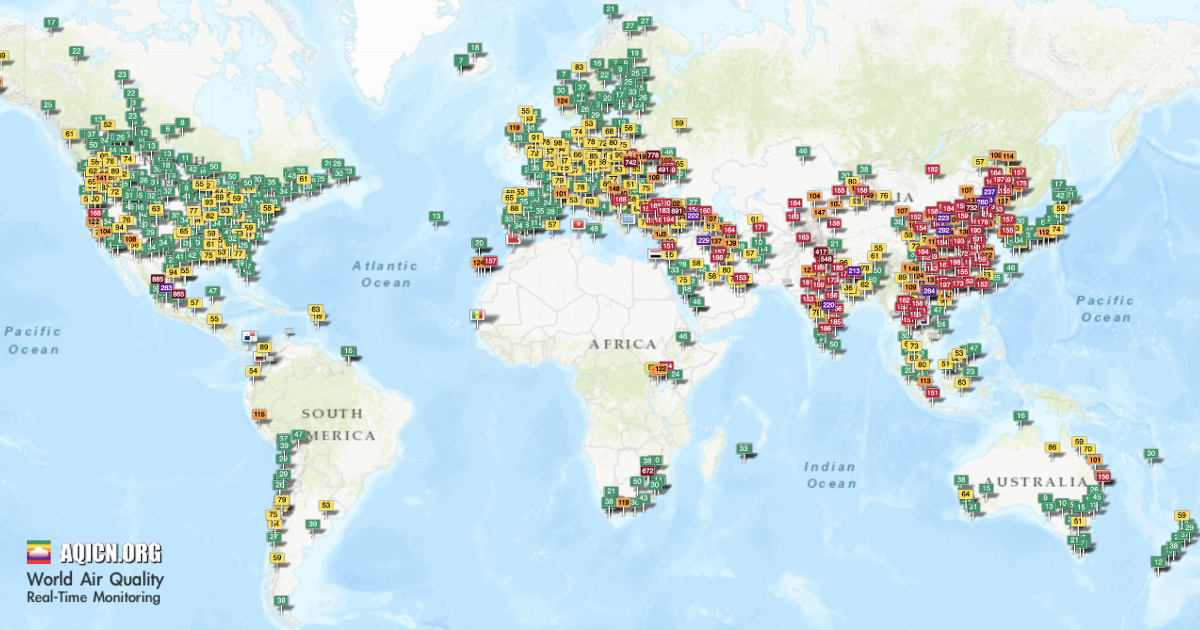
San Agustin, Canarias, Spain Air Pollution: Real-time Air Quality Index
How polluted is the air today? Check out the real-time air pollution map, for more than 100 countries.
Widespread Health Complaints Among Visitors
Healthcare providers and hotel staff report a growing number of tourists experiencing:
- Runny noses and sinus irritation
- Persistent headaches and fatigue
- Burning eyes and sore throats
- Difficulty breathing in more severe cases
At these pollution levels, experts warned that the entire population is at risknot just vulnerable groups such as children, the elderly, and those with respiratory or cardiovascular conditions.
PM2.5 particles—approximately 30 times smaller than a human hair—can penetrate deep into the lungs and even enter the bloodstream, posing serious health threats.
Tourism Continues Despite Warnings
Despite the hazardous air, most visitors remain on the island, with many opting to stay indoors or limit outdoor exposure. Beaches, typically the main attraction, are seeing reduced activity during peak dust hours.
Local authorities are balancing economic gains from full-capacity tourism with urgent public health messaging.
Official Guidance: Limit Exposure Immediately
Officials are urging strict precautions:
- Stay indoors and keep windows closed
- Avoid physical activity outdoors
- Use air conditioning or air purification systems
- Wear protective masks (FFP2/KN95) if outside
- Seek medical attention if symptoms worsen
Outlook Uncertain
Meteorologists say the duration of the calima depends on shifting wind patterns, with no immediate guarantee of relief.
As Gran Canaria faces one of its most severe environmental episodes in recent memory, the contrast is stark: a fully booked island under gray skies, where paradise remains visible—but the air has become a serious threat.