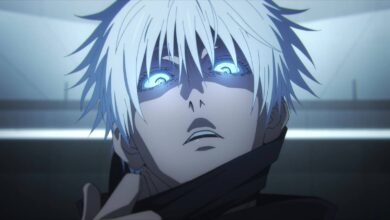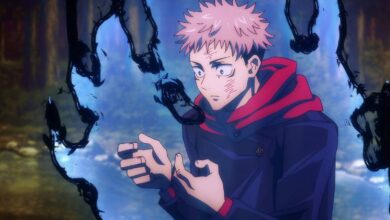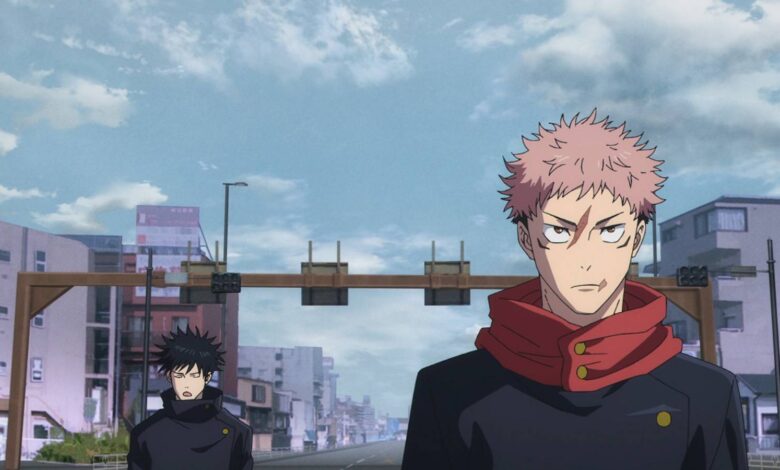
Jujutsu Kaisen owes much of its identity to influences Gege Akutami has openly acknowledged, drawing from Bleach’s spiritual power systems, Hunter x Hunter’s structured abilities, and Naruto’s emotional character arcs. Borrowing this way is common practice across anime and manga, where creators build on genre foundations rather than starting from scratch, and Akutami’s genius lies in mixing those references into something distinctly his own.
This fusion, paired with stellar animation from Studio MAPPA and characters willing to suffer through the consequences of their actions, gives Jujutsu Kaisen its addictive pull. Cursed Energy mechanics are well-thought-out, characters are much more than just their fights, and the series never shies away from tragedy when the plot asks for it. Naturally, when JJK content runs low, fans get eager for more, and often turn to earlier supernatural anime that share JJK’s DNA.
Ken Kaneki’s Forced Transformation Is Similar To JJK’s Cursed World Tone
-
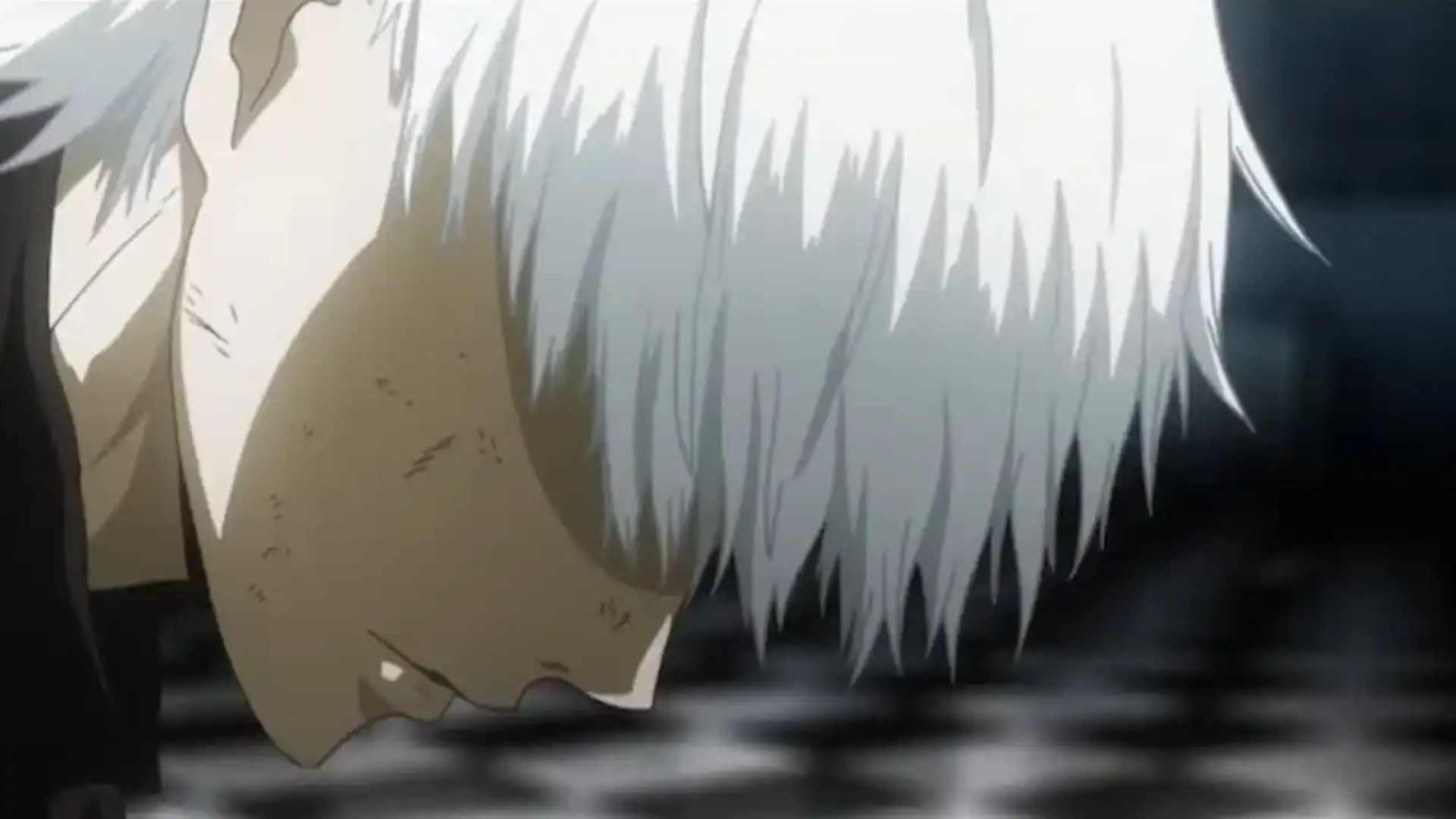 Image via Studio Pierrot
 -
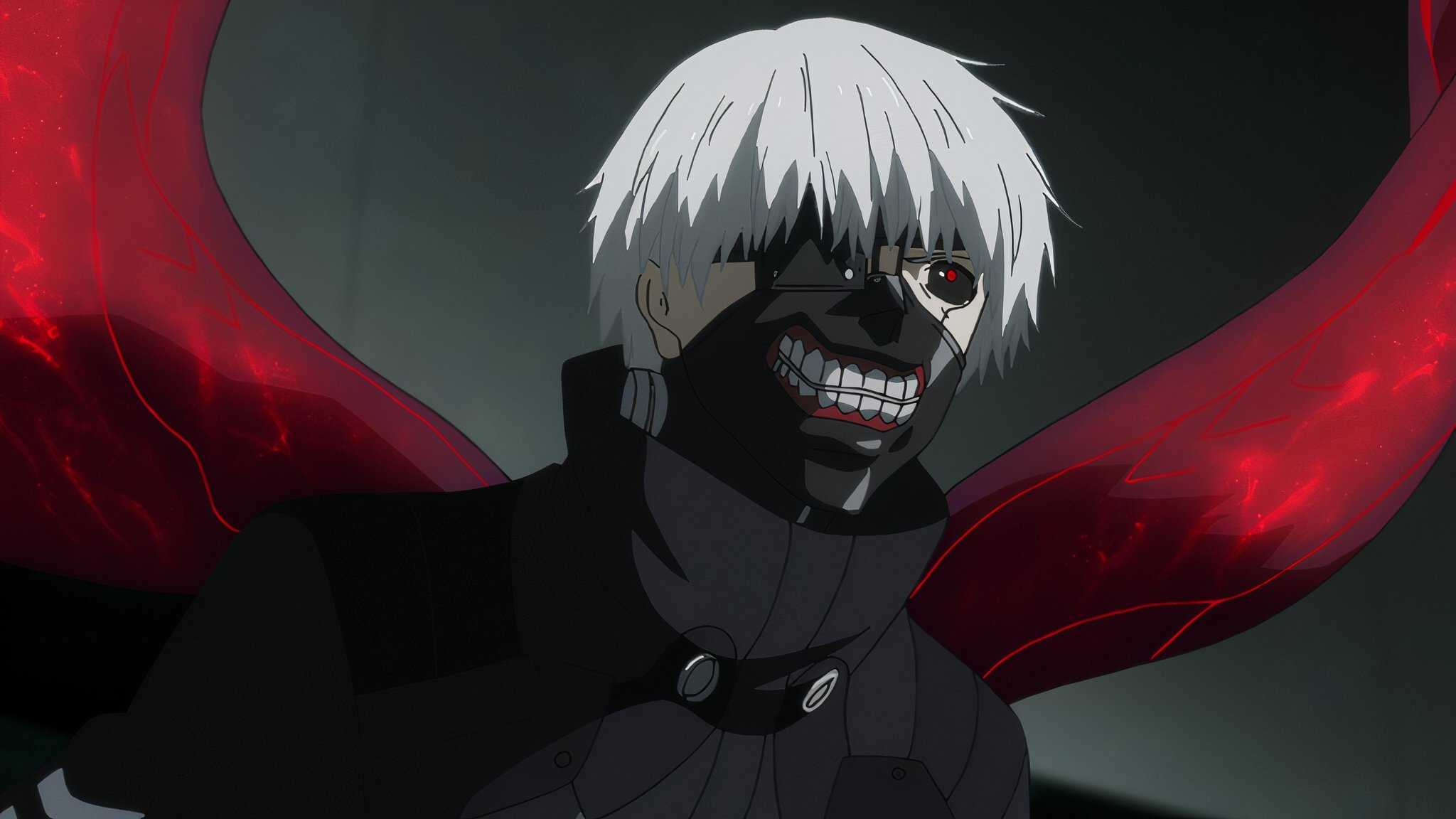 Image via Studio Pierrot
 -
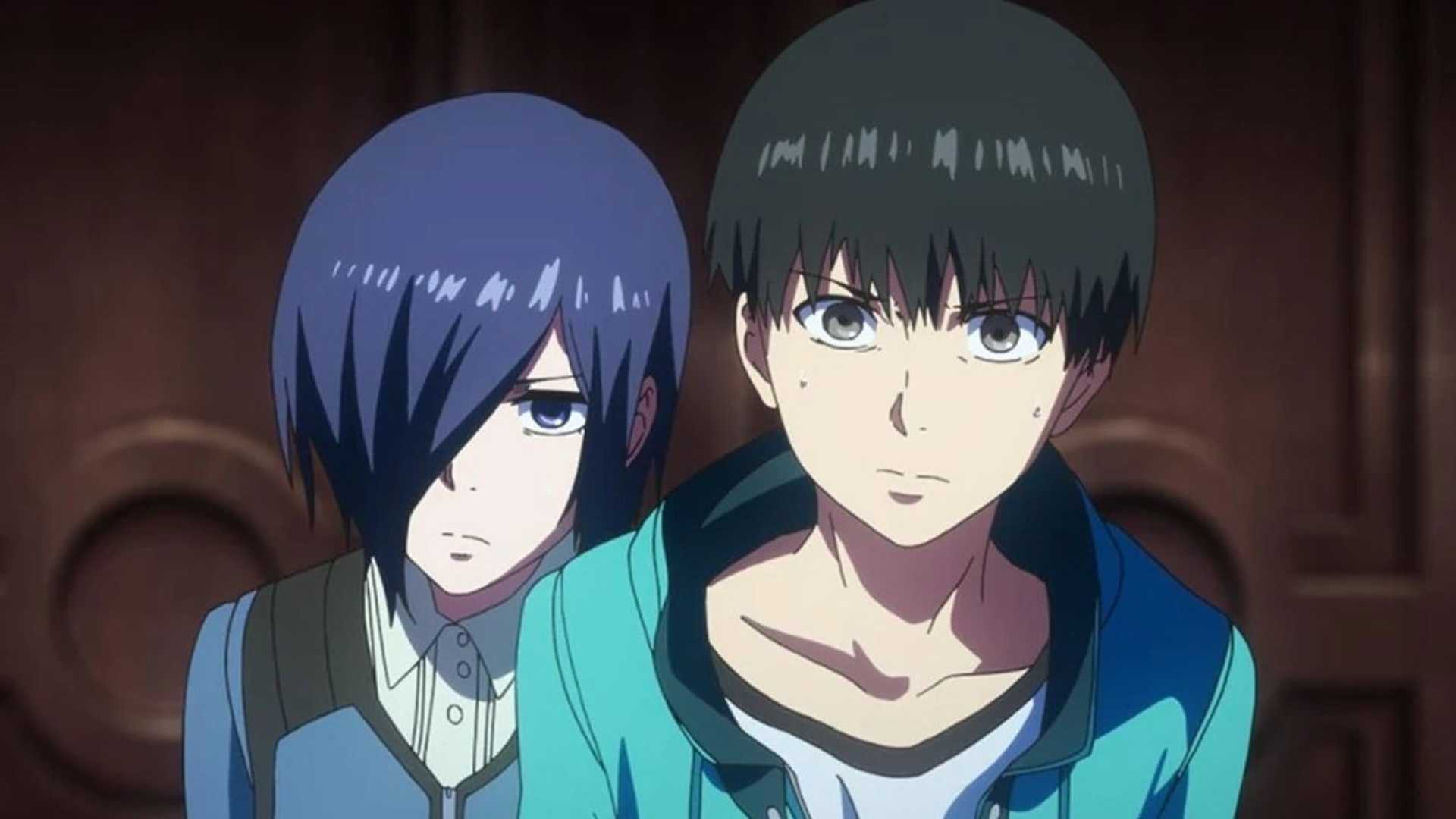 Image via Studio Pierrot
Tokyo Ghoul reshapes Ken Kaneki’s life after a date turns fatal, leaving him transformed into a half-ghoul forced to survive in a Tokyo where ghouls hide among humans while hungering for their flesh. This new secret identity puts him at constant risk, since exposure to either side could get him killed, and much of the early series tracks his refusal to give in to his hunger, clinging to remnants of humanity even as the pressure to abandon them grows.
The internal struggle set a template later shows like Jujutsu Kaisen further work on, trading clear good and evil for characters who exist somewhere uncomfortably in between. Kaneki’s identity crisis mirrors the toll placed on sorcerers pushed past their limits, and the early seasons in particular capture that same bleak tone of ordinary people caught in conflicts they never chose. Tokyo Ghoul’s opening run remains essential for understanding where the modern dark supernatural genre found its footing.
Chainsaw Man’s Lethal Devil Contracts Reflect Jujutsu Kaisen’s Binding Vows
-
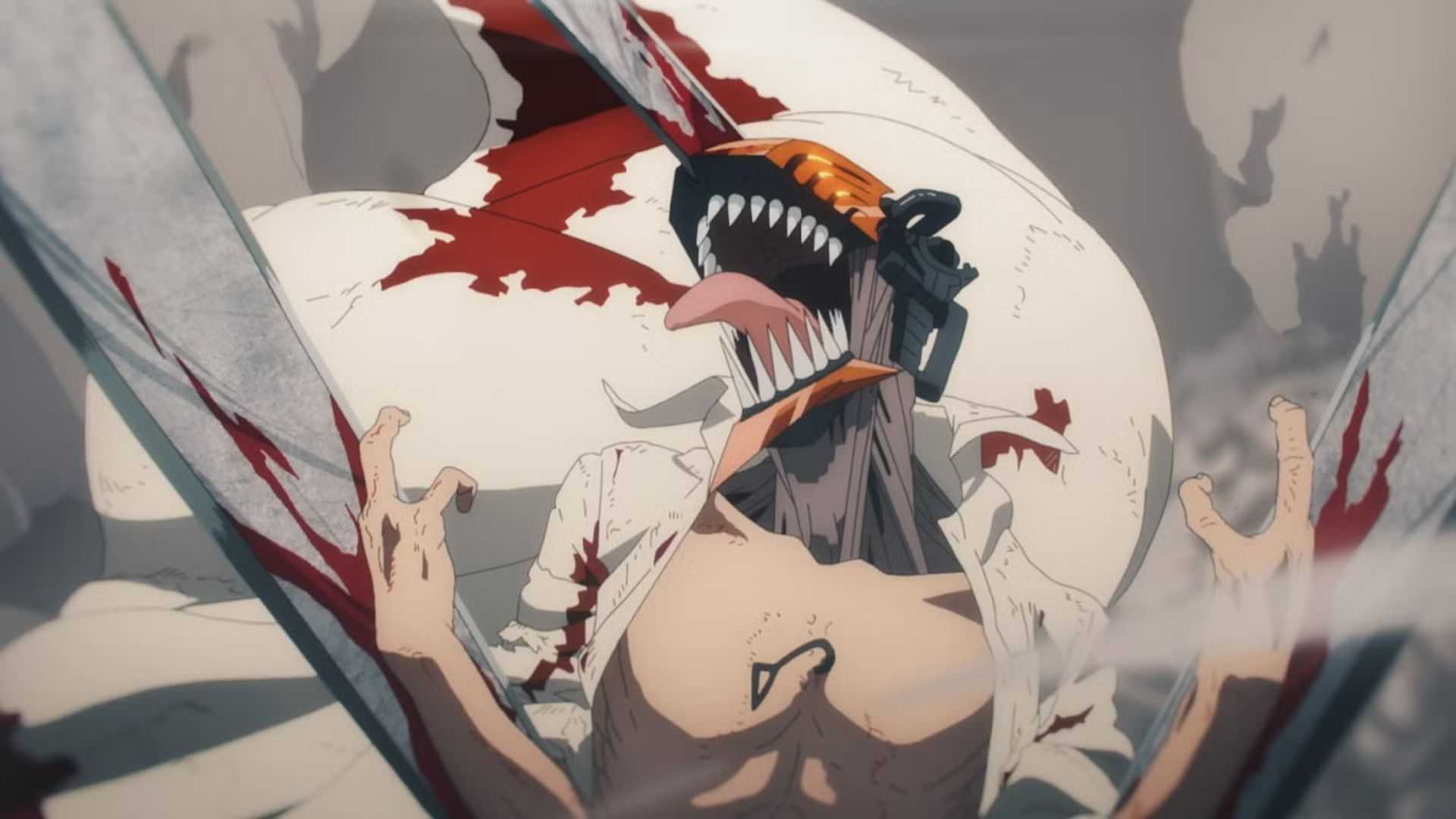 Image via MAPPA
 -
 Image via MAPPA
 -
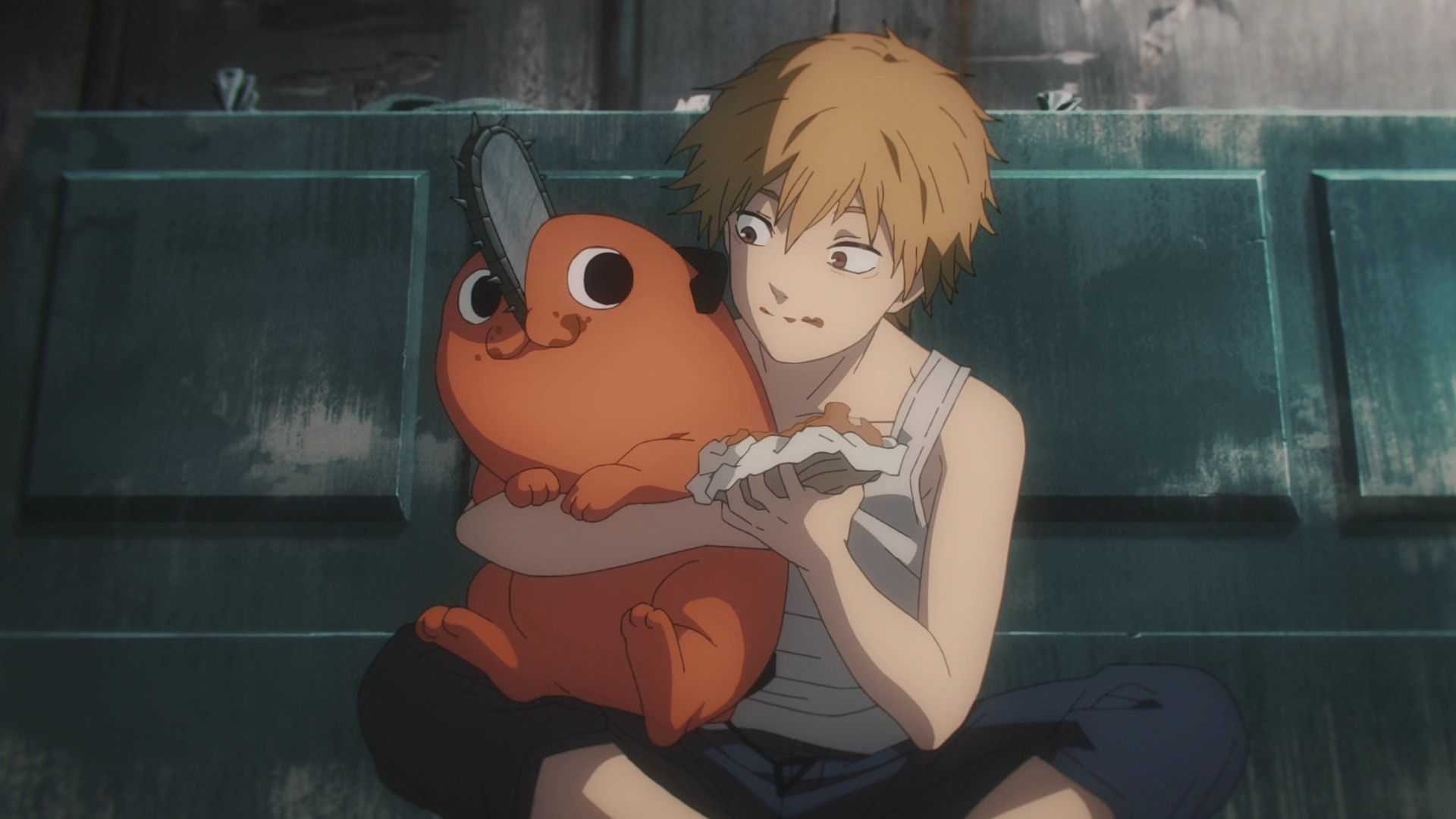 Image via MAPPA
Chainsaw Man‘s Denji is a debt-ridden devil hunter recruited by Makima to track down pieces of the Gun Devil, similar to how Yuji Itadori gets pulled into hunting Sukuna’s fingers. Where Yuji fights out of a sense of duty, Denji’s motivations remain far simpler and more desperate, chasing basic comforts over any higher purpose. Devils in Denji’s world draw power from human fear the same way Jujutsu Kaisen’s Cursed Spirits feed on negative emotion, though devils remain visible to everyone rather than hidden from ordinary sight.
Aki’s fox devil contract, summoned the same way Megumi calls his shikigami, adds another direct parallel between the two series. Studio MAPPA brings the same visceral intensity to both worlds, and Chainsaw Man’s willingness to break characters emotionally before physically makes it an easy next stop for JJK fans craving more of that same bleak territory.
Hunter x Hunter’s Nen System Is Often Compared To JJK’s Cursed Energy

Hunter x Hunter shows Gon Freecss pursuing Hunter status, entering a world of elite licensed individuals who track down fantastical beings much like Jujutsu Kaisen’s sorcerers hunt Cursed Spirits. Gege Akutami has cited Yoshihiro Togashi’s series as a huge influence, and his inspiration shows clearly in JJK’s mechanics. Gon’s reckless and justice-driven approach to combat draws frequent comparisons to Yuji Itadori, while both Megumi and Gojo borrow design and personality traits from Killua.
Aoi Todo and Hisoka Morow share a similar underappreciated overlap in how they test and provoke their opponents. The Shibuya Incident arc especially reflects Togashi’s influence on Akutami, mirroring HxH’s narration style and character designs. The respect flows both directions, with Togashi himself drawing inspiration from Jujutsu Kaisen in turn.
Bleach Is Considered The Major Influence Behind JJK

Bleach revolves around Ichigo Kurosaki, a teenager who becomes a Soul Reaper after Rukia sacrifices her powers to save his sisters from a Hollow, pulling him into a long fight against spiritual threats. Gege Akutami has openly credited Tite Kubo’s series as a major influence on Jujutsu Kaisen, and the connection shows clearly in how both power systems function. Some Domain Expansions even mirror Bleach‘s Bankai.
There are many more similarities, such as Ichigo and Yuji both sharing bloodlines with their series’ central villains, Yhwach and Kenjaku. Bleach also normalized powerful female fighters like Yoruichi and Unohana existing mainly outside romantic subplots, a pattern JJK continues through Maki, Yuki, and Nobara. With Thousand-Year Blood War finally adapting Kubo’s ending, Bleach remains essential viewing for tracing exactly where JJK’s foundation came from.
Soul Eater’s Gothic School Setting Is Reminiscent Of JJK’s Sorcerer Academy

Soul Eater takes place in Death City, where students at the Death Weapon Meister Academy pair with living weapons to collect ninety-nine evil souls and one witch soul, protecting the world while uncovering a darker conspiracy along the way. This academy structure and supernatural focus recall Jujutsu Kaisen’s own sorcerer school, though Soul Eater leans further into a unique gothic style.
Fluid and fast-paced animation made the series stand out visually upon its 2008 release, and it holds up well against modern supernatural anime even now. The story adapts only a portion of its source manga, resulting in an anime-original ending that has received mixed reviews over the years.
Dorohedoro Presents A Morally Gray War Between The Powerful And Powerless

Dorohedoro drops viewers into the unexplained chaos of The Hole, where sorcerers experiment freely on ordinary humans, which is a lot like the same imbalance of power that defines the relationship between sorcerers and Curses in Jujutsu Kaisen. The reptile-headed protagonist Caiman then spends the series hunting down the sorcerer responsible for his transformation.
Caiman and Nikaido feel like real people underneath the series’ extreme violence and dark humor, giving Dorohedoro a balance JJK fans will find familiar. This shared chaos, paired with a visual style unlike anything else in the genre, makes Dorohedoro a natural next stop for viewers craving more morally murky supernatural storytelling.
Blue Exorcist Explores The Fear Of Inherited Power

Blue Exorcist traces Rin Okumura’s journey after he discovers his father is Satan, unleashing a demon-slaying sword and a set of powers he never asked for while watching his human father figure die. He enrolls at True Cross Academy to learn exorcism alongside his twin brother Yukio, who is already an accomplished exorcist.
The series crafts a world split between humans and demons, structured through an academy system of training, rivalries, and mentorship that shapes Rin’s growth. Where Yuji Itadori eventually grows to embrace the competitive pull of the Jujutsu world despite Sukuna’s presence inside him, Rin’s journey goes toward fear, because his power constantly threatens to isolate him from the people he wants to protect.
Mob Psycho 100 Values Emotional Control Over Supernatural Power

Mob Psycho 100‘s Shigeo Kageyama is a teenager with overwhelming psychic abilities who tries to suppress his emotions instead of embracing his own strength, fearing what might happen if his powers spiral out of control. Terrified of his potential danger, he apprentices under the self-proclaimed psychic Arataka Reigen for guidance and grounding.
Fights in the series exist mainly to reveal what Mob is feeling. This creates a clear contrast with JJK’s Satoru Gojo, whose own overwhelming strength isolates him from connection rather than helping him find it. Where JJK often shows power failing to resolve emotional pain, Mob Psycho 100 spins its entire structure around that same idea, making stability and self-acceptance the real measure of growth.
Guess the anime from the emojis.
🎌
Guess the
Anime
⭐
Guess the anime from the emojis.
Easy (120s)Medium (90s)Hard (60s)
Hell’s Paradise Is Essentially About The Fight For Survival

Hell’s Paradise‘s protagonist, Gabimaru, is a ninja sentenced to death who joins a group of death row convicts sent to a mysterious island in search of an elixir of immortality, which happens to be their only path to a pardon. Set during the Edo period and produced by MAPPA, the series pairs intense combat with a dangerous setting full of monstrous and unpredictable threats.
The fighting isn’t mainly just about winning outright, focusing instead on why each character keeps pushing forward despite the odds against them, a similar philosophy seen in JJK. Gabimaru’s own motivation, reuniting with his wife, portrays the violence as something deeply human, tying his fights to purpose and not seeking power.
Noragami Manages To Balance Light-Hearted Moments With The Struggles Of Gods

Noragami tracks Yato, a minor god desperate to gain enough recognition to rise in status, as he battles Ayakashi, phantoms born from human negativity that are similar to JJK‘s Curses. His growing bond with Hiyori, a schoolgirl who accidentally gets pulled into his world after saving him, roots the story even as things grow increasingly supernatural.
Gods, spirits, and humans here form relationships built on need. The series takes a light start, leaning into slice-of-life humor before gradually deepening into more serious themes of abandonment, purpose, and the cost that comes with power.

- Video Game(s)
-
Jujutsu Kaisen: Cursed Clash
- First TV Show
-
Jujutsu Kaisen
- Cast
-
Junya Enoki, Yuma Uchida, Yuichi Nakamura, Asami Seto, Nobunaga Shimazaki, Adam McArthur, Robbie Daymond, Lex Lang (English), Jun’ichi Suwabe, Kaiji Tang
- Created by
-
Gege Akutami
- First Episode Air Date
-
October 3, 2020