Luxury resorts are no longer just escapes — they’re global talking points. From Montenegro’s controversial private island reopening to underwater hotels and former prison stays, these unique destinations blur the line between innovation and excess, raising questions about sustainability, exclusivity, overtourism, and the future of luxury travel worldwide.
Luxury travel has entered an era where a resort is no longer just a place to sleep — it’s a statement. The modern high-end escape increasingly doubles as a political flashpoint, an environmental experiment, or an architectural spectacle. Some properties are criticized for privatizing beaches and reshaping local communities. Others challenge conventional tourism entirely by placing guests underwater, inside former prisons, or in fragile ecosystems.
This summer’s reopening of Montenegro’s famed Aman Sveti Stefan has reignited one of tourism’s biggest questions: who truly owns paradise?
The Island That Sparked a National Debate
Perched dramatically off the Adriatic coast, Aman Sveti Stefan has long been one of Europe’s most visually striking resorts.
Originally a 15th-century fortified fishing village, the tiny island evolved into a glamorous celebrity hideaway frequented by Marilyn Monroe, Princess Margaret, and Brad Pitt. But behind the cinematic beauty was growing tension.
The resort closed in 2021 after disputes erupted over beach access. Locals protested what they viewed as the privatization of a cultural landmark and public coastline. Reports described formerly accessible beaches becoming effectively restricted through expensive loungers and resort controls, triggering backlash from residents and heritage advocates. =
Now, after five years of closure, the property is scheduled to reopen in summer 2026, reopening the broader debate about overtourism, exclusivity, and who benefits from ultra-luxury development.=
The controversy surrounding Sveti Stefan reflects a wider global trend: resorts are increasingly becoming battlegrounds between tourism revenue and local identity.
Sleeping Beneath the Ocean
One of the most ambitious hospitality concepts ever proposed was Poseidon Undersea Resort — a futuristic underwater luxury resort planned for a private island in Fiji.
The idea promised submerged suites, underwater restaurants, and even mini-submarine excursions. It was marketed as the world’s first permanent luxury seafloor resort. Yet the project also became symbolic of the excesses of elite tourism — raising concerns about marine ecosystems, engineering feasibility, and whether untouched environments should become luxury playgrounds.
Though never fully realized at the scale envisioned, Poseidon helped launch the modern fascination with experiential architecture in hospitality.
The Prison You Pay to Enter
In Latvia, travelers can voluntarily spend the night in a former military prison at Karosta Prison Hotel.
Guests sleep in cells, endure mock military routines, and experience deliberately uncomfortable conditions. What sounds like performance art has become a cult travel attraction.
Critics argue the concept trivializes historical suffering and authoritarian trauma. Supporters counter that immersive tourism can preserve difficult history more effectively than conventional museums. The property sits at the intersection of dark tourism and experiential entertainment — a growing category attracting travelers who seek discomfort as authenticity.
Eco-Luxury or Eco-Marketing?
Sustainability has become luxury travel’s favorite buzzword, but some eco-resorts attract skepticism about whether exclusivity and environmental stewardship can truly coexist.
NIHI Sumba, frequently celebrated as one of the world’s top resorts, markets itself around conservation, equine therapy, and community investment.
The resort has invested in local outreach, organic gardening, and water recycling initiatives. Yet properties like this often face scrutiny over whether high-end tourism inevitably ages remote communities through rising land values, cultural commodification, and increased outside influence.
The contradiction sits at the heart of modern luxury tourism: can a resort remain “untouched” once it becomes globally famous?
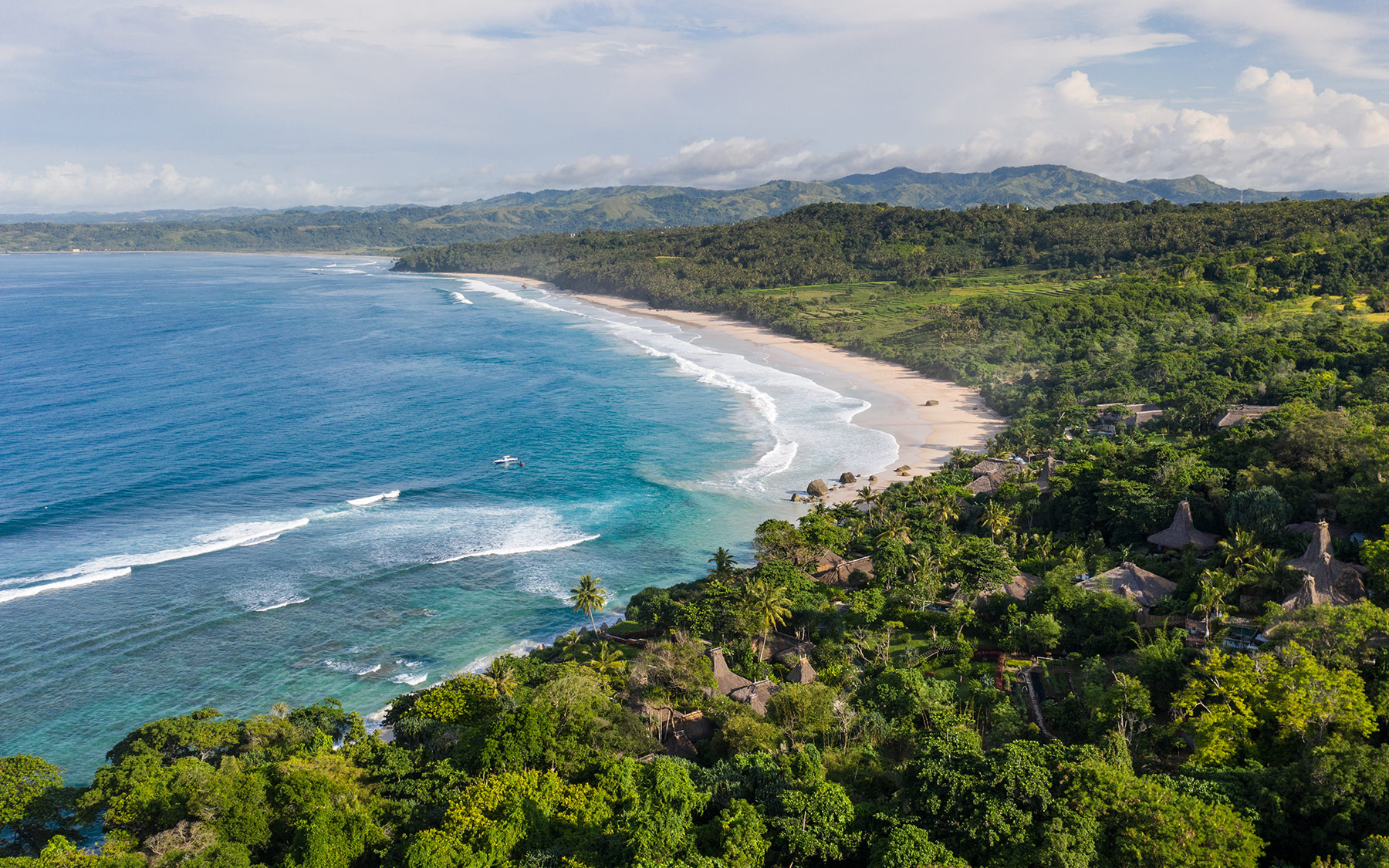
NIHI Sumba | Luxury Hotel with Horses in Indonesia
The world’s best resort, where barefoot luxury meets wild adventure, rich culture, and unspoiled nature. An unforgettable escape for families, honeymooners, and explorers alike. Discover NIHI Sumba.
The backlash against controversial resorts often stems from a larger phenomenon: overtourism.
Destinations from Boracay to Venice have struggled with the consequences of explosive visitor growth. Boracay’s temporary closure in 2018 became a landmark moment after pollution and overdevelopment pushed the Philippine island beyond environmental limits.
Luxury resorts are frequently both symbols and accelerators of this transformation. A single globally recognized property can rapidly turn remote coastlines into international hotspots — bringing jobs and infrastructure while simultaneously straining ecosystems and reshaping local culture.
Researchers increasingly frame overtourism not merely as a crowd problem, but as a systems issue involving economics, environmental capacity, and social tolerance.
What makes these resorts compelling is not just their extravagance, but the uncomfortable questions they raise.
Should beaches ever become semi-private?
Can fragile ecosystems survive luxury tourism?
Is immersive “dark tourism” educational or exploitative?
Can eco-resorts genuinely balance sustainability with exclusivity?
The reopening of Aman Sveti Stefan suggests travelers remain fascinated by places that exist somewhere between fantasy and controversy.
In the social media age, the most talked-about resorts are no longer simply beautiful. They are provocative, polarizing, and impossible to ignore.