Walking vacations are evolving beyond fitness into immersive cultural experiences. From Germany’s newly reopened Blomberg Art Trail near Bad Tölz to sculpture parks, pilgrimage routes, and open-air galleries worldwide, these easy walks combine art, heritage, and nature while encouraging slower, more meaningful travel away from crowded tourist destinations.
Bad Toelz, Germany – The future of travel may have a message to make travel a time for slowing down.
Instead of racing from one attraction to another, more travelers are choosing vacations that combine wellness, creativity, and authentic cultural experiences. Across Europe, Asia, Oceania, and the Americas, a growing number of destinations are proving that a walk can be much more than exercise—it can become an open-air museum, a cultural journey, and an opportunity to connect with local communities.
Germany’s newly renewed Art Hiking Trail on Blomberg Mountain near Bad Tölz is one of the latest examples of this growing trend.
Germany’s Highest Art Hiking Trail Returns
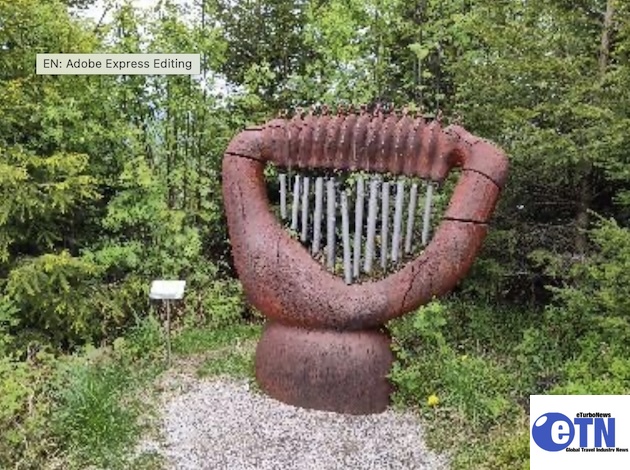
Nestled in the Bavarian Alps, the 1.5-kilometer Blomberg Art Hiking Trail has reopened after an extensive restoration and expansion. Originally inaugurated in 2009, the trail blends alpine scenery with contemporary sculpture, transforming a leisurely mountain walk into an outdoor gallery.
Thirty-two sculptures crafted from wood, stone, and metal now accompany visitors from the summit cross toward the climbing forest. Many original works have been restored, while 13 new sculptures were created during the 2025 BergKunstFestival under the theme “Aliens – Mediators Between Worlds.”
Unlike traditional museums, the artworks become part of the landscape. Forest clearings, mountain views, and changing seasons continually alter how visitors experience each piece.
The official reopening on September 20 features guided walks, live music, and presentations celebrating the renewed cultural attraction. Yet the trail is already welcoming visitors seeking a slower, more thoughtful mountain experience.
The art hiking trail on Blomberg near Bad Tölz
Discover sculptures, sculptures and land art objects from the Tölzer Kunstverein on the Blomberg along the high-altitude hiking trail. ➤ More information.
A Growing Global Movement
Bad Tölz is part of an international movement where walking is no longer simply about reaching a destination.
Instead, trails increasingly tell stories—through sculpture, architecture, history, music, literature, indigenous traditions, and local craftsmanship.
Many of these walks share several characteristics:
- Easy or moderate terrain suitable for most ages
- Small crowds compared with famous hiking destinations
- Strong connections to local culture
- Opportunities to support rural communities
- Wellness benefits through slow travel
Here are some of the world’s best examples.
1. Yorkshire Sculpture Park & Bretton Estate, England
Perhaps Europe’s most famous outdoor sculpture landscape, Yorkshire Sculpture Park allows visitors to wander through hundreds of acres of rolling countryside while discovering monumental works by Henry Moore, Barbara Hepworth, Ai Weiwei, and many contemporary artists.
Walking becomes an ever-changing artistic experience rather than a gallery visit.
2. Hakone Open-Air Museum Trails, Japan
Japan has mastered the balance between nature and art.
Visitors can combine forest walks, volcanic scenery, hot springs, and one of Asia’s finest sculpture collections. Gentle walking paths make Hakone ideal for families and older travelers seeking culture without strenuous hiking.
3. Arte Sella, Italy
Hidden in northern Italy’s Trentino region, Arte Sella transforms forests into living exhibition spaces.
Artists use natural materials to create installations that slowly evolve with the landscape. Every season the artwork changes, making each visit unique.
4. Val di Sella, Italy
Nearby walking routes connect art installations with alpine villages, creating an immersive cultural landscape where local traditions remain very much alive.
5. Echigo-Tsumari Art Field, Japan
One of the world’s largest outdoor art projects stretches across rice terraces, forests, and remote villages.
Walking or cycling between installations introduces visitors to traditional Japanese rural life while supporting communities facing depopulation.
6. Sculpture by the Sea, Australia
Although known as an annual exhibition, permanent coastal sculpture walks around Sydney continue the concept throughout the year.
Ocean views, public art, and accessible paths attract visitors of every generation.
7. Inhotim Botanical Garden, Brazil
Art lovers may spend several days exploring hundreds of acres where contemporary galleries blend seamlessly with tropical gardens.
Walking becomes both an artistic and botanical journey.
8. The Camino de Santiago, Spain
Not every cultural walk revolves around visual art.
Europe’s famous pilgrimage routes connect centuries of history, architecture, gastronomy, music, and spirituality. Today many travelers complete only selected sections, making the experience accessible to all fitness levels.
9. The High Line, New York City
Urban walking can also become cultural exploration.
The elevated park combines public art, native planting, architecture, and neighborhood history, demonstrating how even city walks can inspire reflection.
Walking vacations with purpose
Travel experts increasingly identify purpose-driven walking holidays as one of tourism’s fastest-growing niches.
Unlike traditional hiking vacations focused on physical challenge, these experiences emphasize learning, creativity, and personal enrichment.
Popular themes include:
- Kind of trails
- Literary walks
- Indigenous heritage routes
- Sculpture parks
- Historic pilgrimage paths
- Botanical gardens
- Local food and wine walks
- Photography trails
- Artisan villages
- Music and festival routes
Such journeys encourage travelers to spend more time in smaller communities, extending economic benefits beyond major tourist centers while reducing overtourism.
Why They Matter
Walking vacations naturally support more sustainable tourism.
Travelers move slowly, produce smaller environmental footprints, stay longer, and often discover locally owned accommodations, restaurants, galleries, and craft workshops that larger tour groups overlook.
They also appeal across generations.
Grandparents, parents, and children can often enjoy the same easy trails together, creating shared experiences rather than competitive adventures.
Tips for Planning an Art and Culture Walking Vacation
The most rewarding experiences often begin away from famous tourist hotspots.
Choose destinations with well-marked easy trails rather than demanding mountain hikes. Visit during spring or autumn when temperatures are comfortable and visitor numbers are lower. Stay in locally owned guesthouses to deepen cultural connections. Allow time to stop, sketch, photograph, or simply sit and appreciate the landscape instead of rushing from point to point.