The travel and tourism industry increasingly rewards visibility over expertise. Across conferences and media platforms, self-proclaimed “leaders” often gain influence through titles, public speaking, and branding rather than measurable achievements. This article examines the dangers of manufactured leadership, especially in Africa, and defines what truly makes a respected regional or global tourism leader.
The global travel and tourism industry has always celebrated personalities. Conferences are filled with keynote speakers, “visionaries,” “thought leaders,” and self-declared experts. Social media amplifies polished images, powerful titles, and carefully crafted reputations. Yet behind many impressive introductions lies a growing problem: the rise of misleading leadership profiles built more on visibility than substance.
This issue is particularly visible in parts of the developing world, including Africa, where titles such as “His Excellency,” “Honorable,” “Global Tourism Leader,” or “International Tourism Expert” are increasingly used by individuals with limited practical knowledge or measurable achievements in tourism development. Titles alone do not create leadership.
The Performance of Leadership
Travel and tourism is an industry built on relationships, storytelling, and public presence. That makes it especially vulnerable to image-driven personalities. A confident speaker with strong networking skills can quickly gain recognition at conferences, appear in media interviews, and become a regular figure on event stages.
In many cases, event organizers are also partly responsible. Instead of evaluating long-term contributions, measurable impact, or policy success, they often select speakers based on popularity, visibility, sponsorship connections, or social influence.
The result is an ecosystem where presentation can overshadow expertise.
A polished speaker may deliver motivational speeches about sustainable tourism, destination branding, or investment opportunities without ever having successfully managed a destination, built tourism infrastructure, increased visitor arrivals, improved community livelihoods, or navigated a real crisis. This creates danger for the industry.
When Visibility Replaces Competence
Tourism is not entertainment alone. It is economics, diplomacy, infrastructure, aviation, hospitality, sustainability, security, education, culture, and crisis management combined.
Poor leadership in tourism can damage:
- national reputation,
- local economies,
- investor confidence,
- environmental sustainability,
- and community trust.
When inexperienced personalities influence policy discussions or shape public narratives, the consequences can be severe. Governments may follow unrealistic advice. Investors may lose confidence. Communities may be excluded. Marketing campaigns may fail because they are disconnected from reality on the ground.
The tourism industry has seen destinations spend millions promoting slogans and branding exercises while neglecting airports, safety, training, transportation, environmental protection, or service quality — the real foundations of tourism success. A strong speech cannot replace operational knowledge.
The Misuse of Titles
In some regions, titles carry enormous cultural weight. The use of honorifics such as Honorable, His Excellencyor Doctor can create automatic credibility, even when such titles are unrelated to tourism expertise.
In Africa, especially, where respect for hierarchy and public office remains strong, these titles can influence perceptions quickly. Someone introduced as “His Excellency” at a tourism summit may immediately be viewed as authoritative, regardless of whether they have ever successfully led tourism initiatives.
The problem is not the title itself.
The problem begins when titles are used to discourage questioning, replace accountability, or create artificial authority. Real leadership never depends solely on protocol or ceremonial recognition.
What Actually Makes a Leader?
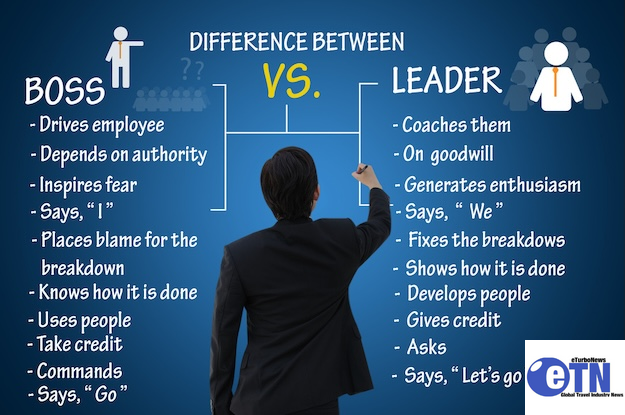
A true leader in travel and tourism is not defined by applause, social media followers, conference appearances, or ceremonial introductions. Leadership is measured by impact. Regional or global tourism leaders usually demonstrate several consistent qualities:
1. Vision With Execution
Many people can describe a vision. Few can implement one. Real leaders transform ideas into measurable results:
- increased tourism revenue,
- job creation,
- sustainable growth,
- improved infrastructure,
- community participation,
- and a stronger international reputation.
Execution separates dreamers from leaders.
2. Industry Knowledge
Tourism leadership requires a deep understanding of:
- aviation,
- hospitality,
- government policy,
- destination management,
- sustainability,
- marketing,
- technology,
- investments,
- and traveler behavior.
A true leader understands both the boardroom and the operational realities on the ground.
3. Crisis Leadership
Trump Tourism: Join the Fight | Trump Tourism
Travel from and to the United States and the industry behind has changed under US President Donald Trump. There are new challenges, expectations, and regulations.
The tourism industry faces constant crises:
- pandemics,
- terrorism,
- political instability,
- natural disasters,
- airline disruptions,
- and economic downturns.
Real leaders emerge during difficult times, not during award ceremonies. The ability to protect jobs, maintain confidence, communicate honestly, and rebuild trust during crises defines serious leadership.
4. Credibility Across Borders
Regional and global leaders earn respect internationally because of their work, not because of self-promotion. Their credibility comes from:
- long-term achievements,
- peer recognition,
- ethical conduct,
- and proven contributions.
True influence cannot be manufactured through titles alone.
5. Service Over Ego
Leadership is not self-glorification. The strongest tourism leaders focus on:
- empowering communities,
- mentoring younger professionals,
- creating opportunity,
- and building institutions that outlast them.
They understand that tourism is ultimately about people.
The Difference Between Influence and Leadership
Modern tourism increasingly confuses visibility with value.
- An influencer can attract attention.
- A speaker can motivate a room.
- A politician can hold a title.
But leadership requires responsibility, accountability, and results.
Some of the most effective tourism leaders in the world rarely dominate headlines. They work quietly:
- improving infrastructure,
- negotiating air access,
- developing workforce training,
- strengthening sustainability,
- supporting small businesses,
- and building long-term tourism ecosystems.
Their success is reflected not in applause but in outcomes.
Why the Industry Must Be More Careful
The travel and tourism sector must become more disciplined in defining expertise and leadership. Conference organizers, governments, associations, and media platforms should ask harder questions:
- What has this person actually built?
- What measurable impact have they created?
- Have they led through a crisis?
- Do communities benefit from their work?
- Are they respected by serious professionals in the field?
- Is their influence based on evidence or branding?
Tourism deserves leadership rooted in competence, ethics, and experience — not performance alone.
The Future of Tourism Leadership
Africa has enormous tourism potential:
- cultural heritage,
- wildlife,
- young populations,
- creativity,
- entrepreneurship,
- and untapped destinations.
But unlocking this potential requires authentic leadership.
The continent — and the global tourism industry overall — must move beyond ceremonial prestige and personality-driven influence. The future belongs to leaders who combine vision with knowledge, humility with execution, and public presence with genuine expertise.
In tourism, real leadership is not about being introduced as important. It’s about making a lasting difference.