Uganda’s tourism industry faces renewed uncertainty after WHO declared a global emergency over a rare Ebola outbreak linked to Congo and Kampala. The Bundibugyo strain has no proven vaccine or targeted treatment, raising concerns about traveler confidence, regional health systems, and the impact of reduced international aid on outbreak containment.
The World Health Organization has declared the current Ebola outbreak in the Democratic Republic of Congo and Uganda a global public health emergency after the virus crossed borders into Kampala and cases surged in eastern Congo. Officials say the outbreak involves the rare Bundibugyo strain of Ebola — one of the least understood and most difficult versions of the disease to fight.
What Makes This Ebola Outbreak Different?
Unlike the better-known Zaire strain responsible for the massive West African epidemic of 2014–2016, the current outbreak is caused by Bundibugyo ebola virusa rare subtype first identified in Uganda in 2007.

World Health Organization (WHO)
The United Nations agency works to promote health, keep the world safe and serve the vulnerable.
Health officials are especially alarmed because:
- there are no fully approved vaccines specifically proven effective against Bundibugyo Ebola.
- Existing antibody therapies developed for the Zaire strain are not confirmed to work against this subtype.
- Diagnostic testing is more difficult.
- The outbreak is unfolding in conflict-affected eastern Congo with porous borders and heavy regional movement.
Africa CDC says the outbreak has already produced hundreds of suspected infections and dozens of deaths, with imported cases now detected in Kampala.
How Dangerous Is Bundibugyo Ebola?
Ebola viruses spread through:
- direct contact with blood or body fluids,
- contaminated medical equipment,
- infected corpses,
- and sometimes exposure to infected wildlife.
This is not an airborne virus like COVID-19.
However, Ebola becomes extremely dangerous when:
- hospitals lack protective gear,
- outbreaks are detected late,
- infected travelers cross borders,
- or surveillance systems fail.
Symptoms include:
- fever,
- vomiting,
- diarrhea,
- severe weakness,
- bleeding,
- and organ failure in advanced cases.
Case fatality rates for Bundibugyo Ebola historically have been somewhat lower than the Zaire strain, but the current outbreak is worrying because there is no tailored pharmaceutical defense available.
Is There Really “No Medication”?
There is supportive treatment — fluids, oxygen, electrolyte management, intensive care, and isolation — that can significantly improve survival.
But experts emphasize there is currently:
- no approved targeted antiviral treatment specifically validated for the Bundibugyo strain,
- and no widely deployed vaccine with proven effectiveness against it.
That has forced health authorities to rely heavily on:
- rapid isolation,
- contact tracing,
- border screening,
- quarantine measures,
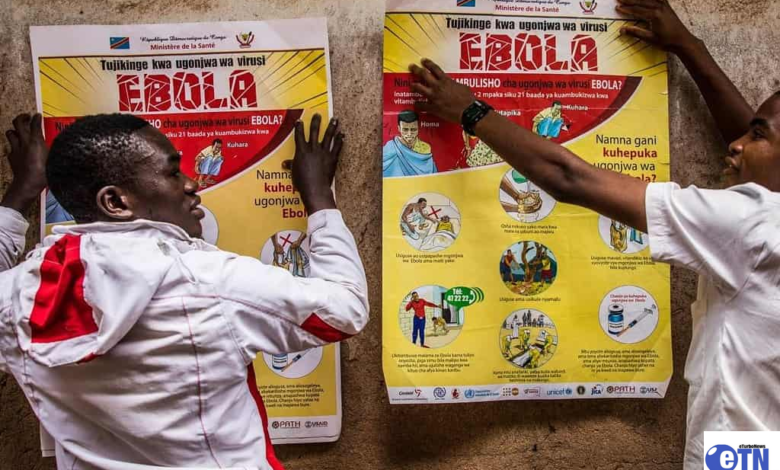
- and community education.
Could USAID Cuts Be Connected to the Renewed Outbreak?
There is no evidence that USAID cuts caused the Ebola outbreak itself. Ebola outbreaks originate from zoonotic spillover and human transmission dynamics.
But multiple experts and public health observers argue the dismantling or major reduction of USAID health infrastructure may have weakened regional preparedness and slowed detection or response capacity across parts of Africa.
Recent reports indicate:
- disease surveillance programs were reduced,
- health funding worker declined,
- Laboratory networks were disrupted,
- Emergency-response partnerships became less stable following major reductions in US foreign aid.
Some analysts warned this outbreak is now testing whether the international system can contain deadly epidemics without the extensive American logistical and financial role that existed during earlier Ebola crises.
WHO has not formally blamed aid cuts for the outbreak, but officials have repeatedly stressed that underfunded surveillance systems increase the risk of uncontrolled spread.
What This Means for Tourists
For most travelers, the risk remains relatively low if they:
- avoid hospitals and outbreak zones,
- avoid bodily fluid exposure,
- avoid caves/mines with bats,
- avoid bushmeat,
- and monitor symptoms after travel.
WHO currently advises against broad border closures or travel bans.
Still, the situation is evolving rapidly. If transmission expands inside Uganda beyond imported cases, airlines, insurers, and governments could tighten restrictions with little warning.