Guam stands apart as an American tourism destination because it blends US familiarity with deep CHamoru heritage, Pacific island hospitality, and strong Asian connections. More than a tropical escape, it offers visitors a living culture shaped by inafa’maolek—harmony, community, and a warm Håfa Adai spirit.
A Pacific Island Where Culture, Community, and Tourism Intertwine
When most travelers think about American destinations, they picture Manhattan’s skyline, the national parks of the American West, or the beaches of Hawaii. Yet far across the Pacific Ocean lies Guama destination that is both unmistakably American and profoundly different.
Located roughly 6,000 miles from California and closer to Tokyo and Manila than to Los AngelesGuam occupies a unique position in the world of travel. It is a US territory with American currency, infrastructure, and governance, yet culturally it reflects thousands of years of indigenous Chamorro heritage mixed with Spanish, Asian, and Pacific influences.
For visitors, this creates a travel experience unlike anywhere else in the United States. Guam is not just a tropical island destination—it is a place where ancient culture, modern tourism, and community values intersect. The island’s tourism philosophy, often guided by Chamorro cultural principles such as inafa’maolek (harmony and mutual respect), reflects a deeper sense of hospitality than typical resort destinations.
Understanding why Guam feels different requires looking beyond beaches and shopping districts to the cultural heartbeat of the island.
A US Destination in the Heart of Asia-Pacific
Guam’s geography shapes its tourism identity in powerful ways. Although it is part of the United States, the island sits at the crossroads of the Asia-Pacific regionserving as a gateway between cultures.
Because of this location, most visitors to Guam do not come from the US mainland. Instead, the majority arrive from nearby Asian countries such as:
- Japan
- South Korea
- Taiwan
- The Philippines
Flights from these countries often take only three to four hours, making Guam a convenient tropical getaway for millions of Asian travelers.
Yet once visitors arrive, they encounter something distinctly American: US road signs, familiar brands, and the use of the US dollar. This juxtaposition creates a fascinating tourism environment where Asian travelers experience America in a Pacific island setting.
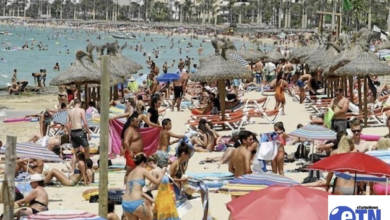
Hotels in Tumon Bay resemble American resort properties, yet the restaurants may serve Chamorro barbecue alongside Japanese ramen and Korean barbecue. Shopping centers feature global brands while cultural performances celebrate indigenous heritage.
Guam, in essence, is America through a Pacific lens.

Visit Guam | Events, Things To Do, Places to Stay & More
Swim in warm turquoise waters, sample local cuisine, and explore cultural sites and scenic trails across Guam’s unforgettable landscape.
The Cultural Heart of Guam: Chamorro Heritage

At the center of Guam’s identity lies the Chamorro peoplethe indigenous inhabitants of the Mariana Islands who have lived in the region for more than 4,000 years.
Chamorro culture is not simply preserved in museums—it remains an active part of everyday life on Guam. Visitors can see this heritage reflected in:
- Traditional dance performances
- Village fiestas
- Indigenous crafts and weaving
- Cultural storytelling
- Chamorro cuisine
One of the most recognizable symbols of Chamorro heritage is the latte stonea pillar-shaped structure once used as the foundation for traditional homes. Today, these stones symbolize the resilience and continuity of Chamorro culture across centuries of colonization and modernization.
Tourism leaders on Guam increasingly emphasize that Culture is the island’s most valuable tourism asset. Beaches and sunshine can be found across the tropics, but Guam’s deep cultural history provides a story that distinguishes it from other destinations.
This storytelling approach is reflected in the island’s tourism messaging, particularly through initiatives such as the Guam Visitors Bureau’s I Estoria newsletter—literally meaning “the story.”
The Spirit of Håfa Adai
One of the first words visitors learn on Guam is “Hafa Adai.”
While it translates simply as “hello,” the phrase represents much more than a greeting. It embodies a philosophy of warmth, openness, and genuine hospitality.
In Chamorro society, relationships and community connections hold enormous importance. Visitors quickly notice how friendly interactions with locals feel authentic rather than transactional.
This welcoming mindset reflects the cultural value known as inafa’maoleka concept emphasizing harmony, mutual support, and respect within the community.
Tourism on Guam is not viewed solely as an industry. Instead, it is often seen as a shared responsibility between residents, businesses, and government—an idea strongly emphasized by the Guam Visitors Bureau.
CHamoru Month: Celebrating Identity and Community

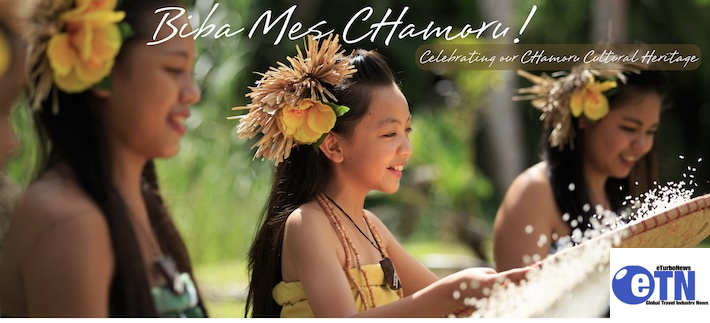
Every March, Guam celebrates Mes CHamoruor CHamoru Month, a time dedicated to honoring the island’s indigenous heritage.
The Guam Visitors Bureau describes this celebration with a powerful message:
Na’huyong Inafa’maolek gi mes CHamoru (Bring back harmony for CHamoru Month).
According to the bureau:
“Håfa Adai yan Biba Mes CHamoru! CHamoru Month is a time of hope and renewal — a reclamation of the traditions, customs, and values that brought our ancestors together to celebrate life, the spirit of cooperation, and progress on the other side of crisis, trial, and even disaster.”
CHamoru Month highlights how culture continues to shape the island’s modern identity. The Guam Visitors Bureau emphasizes that these traditions are preserved through the daily actions of the island’s people:
“Our unique CHamoru culture is preserved and carried forward through the everyday practices of our resilient, warm, and welcoming people.”
For tourism officials, this cultural celebration represents an opportunity to share Guam’s story with the world. The bureau states proudly that promoting Guam as a culturally rich destination is central to its mission:
“To efficiently and effectively promote Guam as a safe and satisfying destination for visitors and to derive maximum benefits for the people of Guam.”
This mission reflects a tourism philosophy that prioritizes both visitor experience and community well-being.
Tourism as a Community Responsibility
One of the reasons Guam’s tourism industry feels different from other destinations is the belief that tourism belongs to the entire community.
The Guam Visitors Bureau explains that tourism and hospitality must be a shared effort:
“At GVB, we believe that tourism and hospitality should be a shared responsibility for the community as a whole, especially with regard to destination development.”
This collaborative approach extends to public infrastructure and cultural events.
Working with government agencies such as the Departments of Public Works and Parks and Recreation, tourism authorities maintain beaches, parks, and public spaces frequently used by both residents and visitors.
The bureau also organizes annual festivals and events designed to connect visitors directly with local culture. These experiences allow travelers not just to observe Guam but to participate in its traditions.
A Tourism Industry on the Rise
Guam’s distinctive identity is beginning to pay off in the global travel market.