Fin du concours Mega Man : Dual Override Robot Master Design, Capcom remercie les fans pour leurs “merveilleuses” soumissions

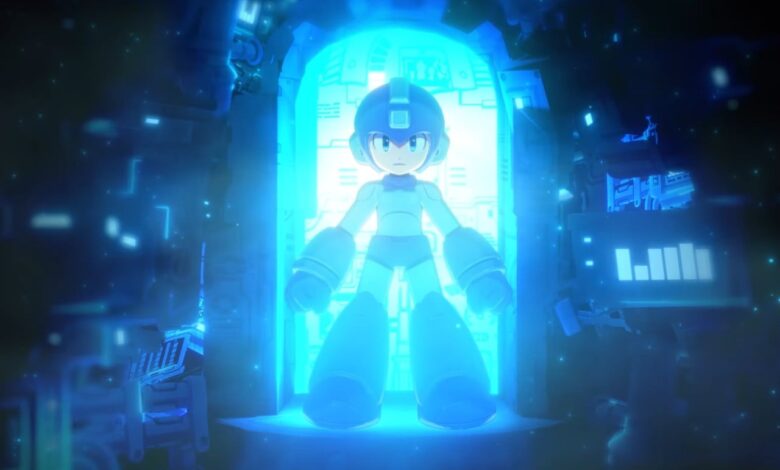
Lorsque Capcom a levé le voile sur Mega Man : Dual Override à la fin de l’année dernière, il a également annoncé un nouveau concours de conception de robots maîtres.
Ce dernier concours demandait aux fans de soumettre un design unique pour un Robot Master doté d’un « bras d’aspiration géant » et fournissait un modèle existant sur lequel travailler. Comme c’est maintenant passé 1er janvier 2026ce concours est officiellement terminé.

Capcom a suivi cela avec une mise à jour, remerciant les fans pour leurs “merveilleuses” soumissions et mentionnant comment le personnel examinera désormais les entrées. À partir de là, 20 designs sont sélectionnés pour passer au prochain tour de vote, puis les fans voteront pour leur « top 6 » via le système d’identification CAPCOM.
Cela commencera plus tard ce mois-ci 30 janvier 2026et il y aura même une récompense de participation au vote sous la forme d’une icône spéciale.
Une fois les six premiers sélectionnés, Capcom choisira le meilleur design, et ce design sera utilisé dans Mega Man : Dual Override. Vous pouvez voir les prix des gagnants ci-dessous ainsi qu’un exemple de participation.
Le 1er janvier à 23 h 59 (heure du Pacifique), le concours Mega Man: Dual Override Robot Master Design est terminé.
Merci à tous ceux qui ont soumis leurs merveilleux designs #MegaManDO ! L’équipe de Capcom va maintenant examiner les candidatures et sélectionner 20 modèles pour passer au prochain tour de vote.
Les fans pourront voter pour les 6 meilleures candidatures avec leur identifiant CAPCOM à partir du 30 janvier 2026, et vous recevrez une icône spéciale de réseau social pour votre participation.
Prix
Nous sélectionnerons les 6 meilleures candidatures et sélectionnerons parmi elles un gagnant.
– Grand prix : 1 gagnant
Votre conception Robot Master sera utilisée dans Mega Man: Dual Override
– Prix d’excellence : 6 lauréats
Votre nom apparaîtra au générique de Mega Man : Dual Override

Mega Man : Dual Override est actuellement prévu pour sortir sur Switch, Switch 2 et plusieurs autres plateformes en 2027. Avant cela, Mega Man Star Force : Legacy Collection arrive en mars 2026 sur Switch.
Vous pouvez en savoir plus sur la prochaine entrée majeure de Mega Man dans notre histoire précédente ici sur Nintendo Life.