River cruises have become one of the fastest-growing sectors of the travel industry, attracting millions of passengers seeking immersive cultural experiences and convenient access to historic destinations. From Europe’s Rhine and Danube to the Nile and Mekong, river cruising is generating significant economic benefits while offering an alternative to traditional ocean cruises.
River cruising has evolved from a niche travel product into one of the fastest-growing segments of the global cruise industry. Once associated primarily with retirees exploring Europe’s waterways, river cruises today attract travelers of all ages seeking immersive cultural experiences, scenic landscapes, and convenient access to historic cities and towns.
Industry analysts estimate the global river cruise market will continue expanding at double-digit annual growth rates through the next decade, reflecting strong demand for experiential travel and smaller-ship vacations. The European river cruise sector alone welcomed nearly 1.5 million passengers in 2024, an increase of approximately 8 percent over the previous year. Revenues reached more than €3.7 billion.
Where River Cruises Operate
Europe remains the undisputed center of the river cruise industry. The most popular waterways include:
- The Rhine, connecting Switzerland, Germany, France, and the Netherlands
- The Danube, crossing ten countries from Germany to the Black Sea
- The Seine in France
- The Douro in Portugal
- The Rhône and Saône in southern France
- The Elbe in Germany and the Czech Republic
Beyond Europe, river cruising has expanded significantly on:
- The Nile in Egypt
- The Mekong in Vietnam and Cambodia
- The Ganges in India
- The Amazon in South America
- The Mississippi and Columbia rivers in the United States
- Rivers in China and Southeast Asia
European itineraries remain the most popular, particularly along the Rhine and Danube, which account for the majority of river cruise traffic.
Who Takes River Cruises?
North Americans represent one of the largest and fastest-growing customer groups. Travelers from the United States and Canada now account for more than 40 percent of passengers on European river cruises, while German-speaking markets—including Germany, Austria, and Switzerland—remain a strong and expanding source of guests.
River cruise operators have also seen growing demand from the United Kingdom, Australia, and Asia-Pacific markets. Overseas travelers are particularly valuable because they tend to book longer voyages, premium accommodations, and pre- and post-cruise land packages. Industry executives estimate that overseas guests generate roughly 70 percent of total revenue in the European river cruise market.
Why Travelers Choose River Cruises
Several factors explain the rapid growth of river cruising.
Access to city centers
Unlike ocean cruise ships that often dock in large commercial ports, river vessels frequently berth in the heart of cities. Passengers can walk directly into destinations such as Budapest, Vienna, Cologne, Amsterdam, and Strasbourg.
Smaller Ships, More Personal Service
Most river vessels carry between 100 and 200 passengers, creating a boutique atmosphere compared with ocean megaships carrying 4,000 to 7,000 guests.
River Cruises & Boat Trips
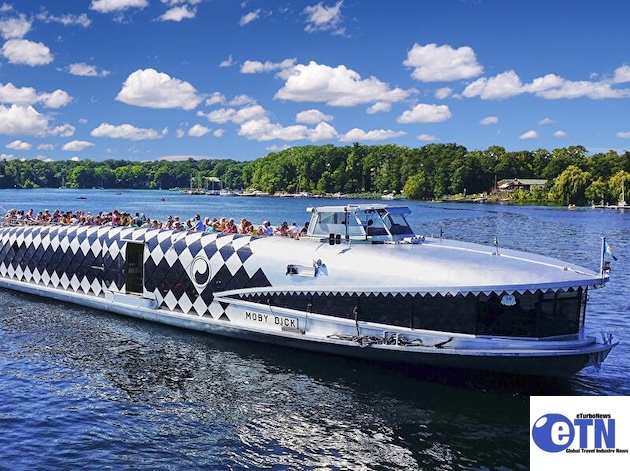
River cruises and boat trips in Berlin on Spree river, on Landwehr canal or over the Wannsee. Get your tickets here.
Cultural immersion
River cruises focus heavily on local culture, history, cuisine, and wine. Excursions often include guided walking tours, vineyard visits, cooking classes, and meetings with local residents.
Convenience
Guests unpack once while visiting multiple destinations. The combination of transportation, accommodations, dining, and sightseeing in one package appeals to travelers seeking a hassle-free vacation.
Scenic Travel
River journeys provide continuously changing landscapes, from Rhine castles and Danube capitals to Portuguese vineyards and Egyptian temples.
Advantages Compared with Traditional Ocean Cruises
River cruises offer several benefits over ocean voyages:
Closer connection to destinations
Passengers spend more time in cities and cultural sites rather than at sea.
Less crowded environment
Smaller vessels create a more relaxed atmosphere with fewer queues and crowds.
Easier embarkation and disembarkation
Guests can often walk directly into town from the ship.
Higher destination-to-travel ratio
Most river itineraries feature daily port stops and minimal sea days.
Appeal to experienced travelers
Many repeat ocean cruisers eventually seek deeper cultural experiences and smaller-scale travel.
Disadvantages Compared with Ocean Cruises
Despite their popularity, river cruises also have limitations.
Limited Onboard Entertainment
River ships typically lack casinos, large theaters, water parks, and extensive nightlife options available on ocean vessels.
Smaller Cabins and Public Areas
Space is constrained by river dimensions and bridge clearances.
Weather and Water Level Risks
High or low water levels can force itinerary changes, particularly on European rivers during periods of drought or flooding.
Higher Cost Per Passenger
River cruises often command premium pricing due to smaller ship capacity and higher service levels.
Fewer Family-Oriented Facilities
Most river cruise products cater primarily to adults rather than families with young children.
Economic Impact on Destinations
River cruising generates substantial economic benefits for local communities.
Cruise passengers spend money on:
- Hotels before and after cruises
- Restaurants and cafes
- Museums and attractions
- Local guides
- Transportation services
- Retail shopping
- Wine and food experiences
Many smaller towns along European waterways have become important tourism destinations largely because of river cruise traffic. Communities along the Rhine, Danube, Douro, and Seine benefit from thousands of annual visitors who might otherwise never visit these locations.
The broader cruise industry generated approximately $168.6 billion in global economic impact in 2023 and supported around 1.6 million jobs worldwide. While river cruising represents only a portion of this total, it is among the industry’s fastest-growing sectors and contributes significantly to regional tourism economies.
European river cruise revenues exceeded €3.7 billion in 2024, while ticket sales alone reached approximately €3.5 billion. The industry’s continued expansion is encouraging investment in ports, riverfront redevelopment, tourism infrastructure, and environmentally sustainable vessels.
Looking Ahead
The future of river cruising appears exceptionally strong. Market forecasts suggest global revenues could approach or exceed $9 billion within the next decade as demand grows for immersive, culturally rich travel experiences. Cruise lines continue to launch new vessels, expand itineraries beyond Europe, and invest in cleaner technologies to meet environmental expectations.
For travelers seeking a blend of comfort, culture, and convenience, river cruising has emerged as one of tourism’s most attractive alternatives to traditional ocean voyages. As consumer preferences shift toward authentic and meaningful travel experiences, the world’s rivers are becoming some of the industry’s most valuable tourism corridors.