Marriott International is expanding its all-inclusive portfolio with new agreements in Jamaica and Zanzibar, but the deals highlight more than brand growth. While Montego Bay sees a hotel conversion, Zanzibar gains new capacity, raising questions about competition, opportunities for independent hotels, and the long-term impact on local economies and tourism.
Marriott International is accelerating its push into the global all-inclusive resort sector, signing two new agreements with Spain’s Catalonia Hotels & Resorts that will add branded properties in Montego Bay, Jamaicaetc Zanzibar, Tanzania.
While the announcement is another milestone in Marriott’s aggressive expansion strategy, it also raises broader questions about the future of independent hotels, the concentration of global hotel brands in emerging tourism destinations, and whether these projects create new economic opportunities—or simply redistribute existing tourism spending.
Two resorts, two strategies
The agreement includes:
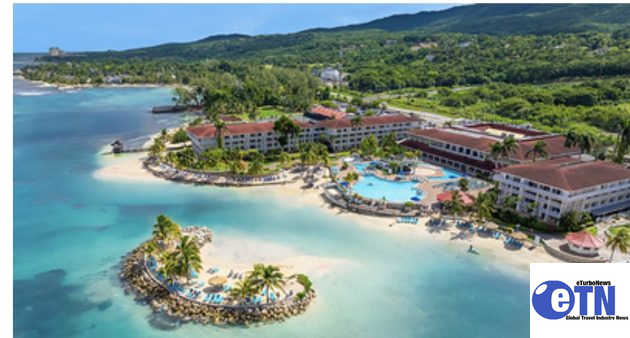
- A 522-room Marriott Hotels All-Inclusive Resort in Montego Bay, opening in 2028 through the conversion of the existing Catalonia Montego Bay resort.
- A 271-room Autograph Collection All-Inclusive Resort in Zanzibar, expected to open in 2027 as a newly built property focused on wellness tourism.
Catalonia will continue to own and operate both hotels while leveraging Marriott’s global reservation system, distribution network and nearly 283 million Marriott Bonvoy membersa growing incentive for independent owners to affiliate with major international brands.
Not a New Hotel in Jamaica—A New Flag
The Jamaica project is notable because it is a conversion rather than a new development.
That distinction matters.
The Montego Bay property already exists as the Catalonia Montego Bay resort. Rather than adding significant new room inventory, Marriott is effectively replacing one international flag with another while plugging the hotel into one of the world’s largest hotel loyalty ecosystems.
For Marriott, conversions have become one of the fastest methods of growing market share without waiting years for construction.
Jamaica’s All-Inclusive Market Is Already Crowded
If any Caribbean destination is familiar with global hotel brands, it is Jamaica.
Montego Bay already hosts some of the region’s strongest all-inclusive competitors, including:
- Sandals
- Hyatt Ziva and Hyatt Zilara
- Hilton Rose Hall
- Iberostar
- Secrets
- Breathless
- RIU
- Royalton (already affiliated with Marriott through Autograph Collection)
The competition is actually intensifying.
Just this week Marriott’s affiliated Royalton portfolio announced the reopening of five Jamaica resorts, while Sandals continues reopening three flagship resorts after investing approximately US$200 million in renovations.
Rather than entering an underserved market, Marriott is strengthening its position within one of the Caribbean’s most competitive resort destinations.
The Independent Hotel Challenge
For independent hotels, the equation is becoming increasingly difficult.
Large hotel companies increasingly offer owners:
- global reservation systems
- loyalty members numbering in the hundreds of millions
- sophisticated revenue management
- worldwide marketing
- negotiated airline and tour operator partnerships
Independent resorts often cannot match that reach.
However, many travel advisors argue the opposite end of the market remains resilient.
Boutique hotels, villas, eco-lodges and locally owned guesthouses continue attracting travelers seeking authentic cultural experiences beyond standardized resort products.
That niche may actually become more valuable as large all-inclusive brands become increasingly similar across destinations.
Zanzibar: Still Room to Grow
Unlike Jamaica, Zanzibar represents a different market overall.
Although tourism has grown rapidly during the past decade, the destination remains less dominated by global all-inclusive operators.
International brands including Melia, RIU, Hyatt and several luxury operators have entered the market, but much of Zanzibar’s accommodation sector still consists of:
- boutique beach resorts
- locally owned hotels
- small luxury lodges
- independent guesthouses
Marriott’s arrival through the Autograph Collection adds another global player but does not yet represent market saturation.
Because the resort is being developed from the ground up, it also increases overall accommodation capacity rather than simply changing brands.
Jobs: New Employment—or Just Different Uniforms?
Hotel offers – Catalonia Hotels & Resorts
Top offers on city hotels & vacation stays in Europe, America and Caribbean. Book best price online with Catalonia Hotels & Resorts
The employment impact differs significantly between the two projects.
Jamaica
Since the Montego Bay resort is an operating hotel undergoing conversion, many existing jobs are likely to remain.
Employees may receive additional Marriott training and potentially improved career pathways within a global hotel company, but the overall number of tourism jobs is unlikely to change dramatically.
Tanzania
The Zanzibar resort is different.
As a new-build project, construction will generate temporary employment while the completed resort will create permanent hospitality jobs ranging from management and culinary positions to maintenance, spa services and tourism support.
Whether those higher-value positions are filled by local workers or expatriate managers will influence how much economic value remains in Tanzania.
Do Large Resorts Benefit Local Economies?
The answer remains mixed.
Large all-inclusive resorts unquestionably generate:
- direct employment
- tax revenue
- airport traffic
- demand for agricultural products
- transportation services
- excursion businesses
However, economists have long debated tourism “leakage”—the proportion of visitor spending that leaves the destination through international hotel companies, imported food, overseas procurement and foreign ownership.
In Jamaica, policymakers have increasingly encouraged stronger links between resorts and local suppliers, while promoting community tourism and small businesses alongside large hotel developments. Tourism remains one of the country’s largest economic sectors, supporting hundreds of thousands of jobs, but environmental groups and local operators continue to argue that future growth should extend beyond large all-inclusive compounds.
Marriott’s Bigger Strategy
The two Catalonia agreements are part of a much larger expansion.
Marriott now operates 38 all-inclusive resorts across the Caribbean and Latin Americawith another 20 properties in development across the Caribbean, Latin America, Europe, the Middle East and Africaaccording to the company.
The strategy reflects a major shift in Marriott’s business model.
Historically focused on traditional hotels, the company has spent the past several years rapidly building an all-inclusive portfolio through acquisitions, conversions and management agreements to compete directly with Hyatt Inclusive Collection, Sandals and other resort specialists.