

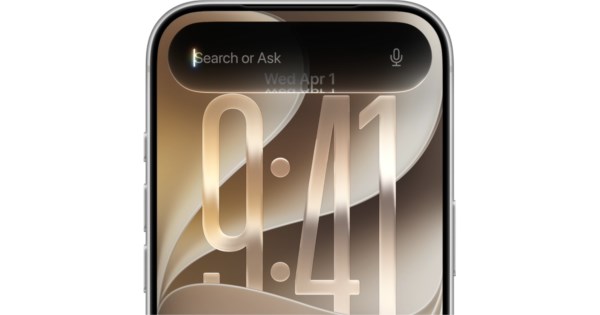

 Almost all software providers offer a public test program with preliminary versions of apps and operating systems that are in development. Both sides benefit from this: users can try out new functions and display modes in advance, and Apple receives feedback on how understandable and consistent the planned changes are. At Apple, the beta phase begins on the first day of WWDC in early June with a pre-release version for developers. In July, Apple usually invites users to test it. Anyone who wants to be there should be prepared.
 Supported Hardware
Before you jump into testing new features, you should check whether one of your devices is supported. With the iPhone, this is done quickly: iOS 26 can also run on iOS 27. At Golden Gate it depends on the processor architecture: everything with “Intel inside” is out. Macs with Apple Silicon, from the M1 to the M5, all support macOS 27. Things get complicated with iPads – a different generation applies depending on the model series.
Support for version 27
| Device | from model | latest AI |
| iPhone | 11 | 17 Pro, Air |
| iPad | 9th generation | – |
| iPad mini | 6th generation | – |
| iPad Air | 4th generation | M4 |
| iPad Pro 11” | 2nd generation | M4 (16 GB RAM) |
| iPad Pro 13” | 3rd generation | M4 (16 GB RAM) |
| AppleTV | 4K (2nd generation) | – |
| VisionPro | all | M5 |
| Apple Watch | 9th generation | iPhone dependent |
| Apple Watch Ultra | 2nd generation | iPhone dependent |
| Apple Watch SE | 3rd generation | iPhone dependent |
Back up data
Beta versions, including the public beta, should not be operated on productive systems, but should only be installed as a test and gaming environment on a separate APFS volume (Mac) or a non-essential device (old iPhone, second iPad). At the very least, you should create a local backup of the existing data. You connect iPhones and iPads to the Mac and then create a backup in the Finder. This can take a few hours.
Optional: second Apple account
Beta versions are unreliable – that’s the nature of things. There are currently reports from the developer beta about sporadic damage to the file system under macOS 27. That’s why you should carefully consider which data sets you are releasing advance software on. To prevent different system versions from causing damage to essential files on iCloud, we recommend creating an alternative Apple account. All you need is an email address that is not yet registered with Apple. The stored mobile phone number can be used for multiple accounts. On the device intended for beta testing, switch to the other Apple account before installing.
Registration via Apple portal
To participate in the public beta version, you must register yourself and the relevant hardware with Apple. That’s what the portal beta.apple.com is for. Click “Sign in” at the top right and log in with the Apple account you want to test with. Then click on “Register your devices” and follow the instructions. It is usually enough to be logged in to the device with the Apple ID registered for beta testing so that the drop-down menu for beta installations is available under Settings/General/Software update.
Provide feedback
To report errors to Apple, there is an app called “Feedback Assistant”. It is only visible on devices with active beta, but is also present on all other systems. In order to monitor your own error reports and possibly add them, you can also access this app in the standard OS. To do this, create a simple shortcut that consists of just one action: “Open URLs” with the content “applefeedback://”. After logging in with the appropriate Apple account, all beta information and the observations you have submitted will appear here, along with answers and questions from Apple.

A simple shortcut makes the feedback app appear even in stable system versions.