
Guam has long welcomed visitors not just as tourists, but as families. Even after a devastating typhoon, the island’s spirit of hospitality remains unshakable. As recovery begins, Guam once again shows why travelers return—not only for its beaches, but for its warmth, resilience, and deep-rooted culture of care.
Guam The beaches are still there, but the silence is new.
In the wake of a powerful super typhoon that tore across the western Pacific this month, the tourism economies of the two US territories, Guam and the Northern Mariana Islands—long dependent on a steady flow of visitors from Asia and the United States—are confronting a familiar but daunting question: how to rebuild quickly enough to survive.
The storm, which struck with destructive winds and heavy rains, left parts of the region without power, damaged hotels and roads, and stripped vegetation from hillsides that had drawn visitors for decades. Now, officials and business owners are bracing for what could be months of disruption at the height of what is typically a busy travel season.
A Tourism Engine Stalls
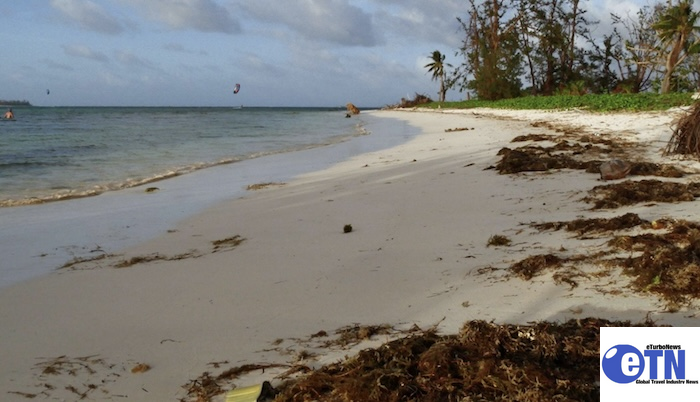
On the island of Saipan, the capital of the Northern Mariana Islands, the damage is extensive. Entire stretches of coastline are littered with debris. Some resorts remain closed, their windows shattered and infrastructure compromised. Even where buildings stand, basic services—electricity, water, and reliable transport—are not yet fully restored.
Commercial flights have begun to return, but largely for relief and essential travel. Leisure tourism, the backbone of the local economy, has effectively come to a halt.
“We are not ready to welcome visitors,” one local tourism official said, speaking on condition of anonymity because recovery plans are still being finalized. “Our priority is making the islands livable again for residents.”
Guam: Open, But Not Unscathed
Roughly 120 miles to the south, Guam fared better, although not without disruption. Hotels in major tourist districts have begun reopening, and power has been restored across much of the island. Cleanup crews continue to clear roads and repair public spaces.
Still, the effects are visible. Some excursions remain suspended, and tour operators report cancellations from travelers due to post-storm conditions.
“We’re open, but not at full capacity,” said a manager at a beachfront hotel. “Guests are coming back slowly, but the uncertainty is real.”
Economic Ripples
Guam Visitors Bureau | GVB – Official Website
Guam Visitors Bureau | GVB – Official Website | Guam’s Hub for Tourism Data, Insights, & Projects
Tourism accounts for a significant share of economic activity across the Mariana Islands, supporting hotels, restaurants, transportation services, and small businesses. A prolonged downturn could have cascading effects, particularly in the Northern Mariana Islands, where economic diversification is limited.
Past storms offer a sobering precedent. After major typhoons in recent years, visitor arrivals dropped sharply—sometimes by more than half—before gradually recovering over the following year.
Discover The Marianas – Saipan | Tinian | Rota – Picture Perfect from Sunrise to Sunset
This time, the recovery may be complicated by broader challenges, including fluctuating airline routes and shifting travel patterns in the Asia-Pacific region.
Rebuilding and reassurance
Officials are already planning campaigns to signal recovery once conditions stabilize. Historically, such efforts—paired with infrastructure repairs—have helped restore visitor confidence.
But timing will be critical. Industry analysts say Guam could rebound within months if conditions continue to improve, while the Northern Mariana Islands may face a longer path back, depending on the pace of reconstruction.
“There is resilience in these destinations,” said a regional tourism consultant. “But resilience doesn’t eliminate the economic shock—it just determines how long it lasts.”
Waiting for visitors
For now, the islands are in a holding pattern.
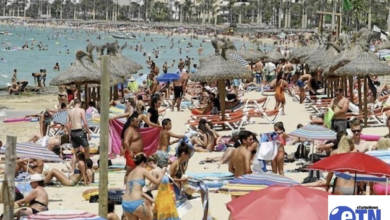
On Saipan, the turquoise waters still lap against the shore, and the sunsets remain unchanged. But the usual signs of tourism—crowded beaches, tour buses, the hum of activity—are absent.
In Guam, they are beginning to return, cautiously.
The storm has passed. The recovery, as always, will take longer.