A German tourist from Bavaria has died after a cobra bite during a hotel entertainment show in Hurghada, Egypt. The rare incident raises concerns about safety in tourist performances involving wild animals and highlights global risks of snakebites, which affect millions annually despite being largely preventable.
Hurghada, Egypt — What began as a routine evening of holiday entertainment at a Red Sea resort ended in tragedy when a German tourist from Bavaria died after being bitten by a snake during a hotel show.
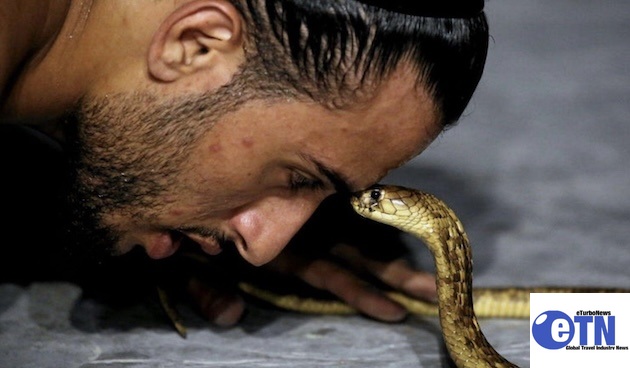
According to German authorities, the 57-year-old man had been attending a staged performance involving live snakes—an attraction occasionally offered in tourist resorts across parts of North Africa and the Middle East. During the show, a handler placed snakes on guests as part of the act. One of the animals, believed to be a cobra, bit the man on the leg after crawling under his clothing.
Witnesses described a sudden shift from amusement to panic. The tourist quickly showed signs of envenomation. Emergency responders attempted resuscitation before transferring him to a hospital in Hurghada, where he later died.
Investigations are ongoing in both Germany and Egypt, with toxicology reports expected to confirm the exact species and venom involved. Authorities have not publicly identified the hotel.
A Rare but Disturbing Incident
While snakebites are a global health issue, fatal incidents involving tourists in controlled resort environments are extremely rare. There is currently no widely documented precedent of a similar fatal snake-show accident in Hurghada, although officials have not definitively stated this is the first such case.
The tragedy has raised urgent questions about safety standards in tourist entertainment—especially when wild or potentially dangerous animals are involved.

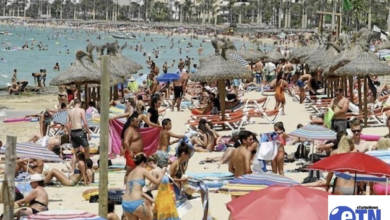
Hurghada | Visit Egypt
A lively resort town on the Red Sea, known for its beaches, coral reefs, diving centers, and luxury resorts.
Snakebites Worldwide: A Silent Global Risk
The incident highlights a broader, often overlooked reality. According to the World Health Organization:
- About 5.4 million people are begged by snakes every year
- Up to 2.7 million suffer venomous bites
- Between 81,000 and 138,000 people die annually
- Many more survivors face amputations or permanent disability
The vast majority of fatalities occur in rural regions of countries like India, where access to antivenom and medical care can be limited.
Where Tourists Might Encounter Snake Risks
For travelers, snakebite risk is generally low—but not nonexistent. It tends to increase in specific environments:
1. Desert and Arid Regions
- North Africa (including Egypt)
- Middle East
- Parts of Australia
Species like cobras and vipers are adapted to hot, dry climates.
2. Tropical and Subtropical Areas
- South and Southeast Asia
- Sub-Saharan Africa
- Central and South America
These regions host the highest diversity of venomous snakes.
3. Rural and Agricultural Zones
- Farmland, rice paddies, and villages
- Especially during warm seasons or monsoon periods
4. Wildlife Tourism & Performances
- Snake charmers
- Reptile parks
- Informal or unregulated animal shows
The Hurghada case falls into this final category—where risk is not environmental, but introduced through human activity.
What Tourists Should Know
Even in popular resort destinations, it’s worth understanding a few basic precautions:
Avoid direct contact with wildlife
Even trained handlers can lose control. Never allow animals to be placed on your body.
Be careful with informal shows
Not all performances follow strict safety protocols, especially outside regulated venues.
Know the symptoms of venomous bites
Pain, swelling, nausea, difficulty breathing, or neurological symptoms require immediate medical attention.
Seek help immediately
Time is critical. Antivenom treatment is most effective when administered quickly.
Stick to established paths outdoors
When hiking or exploring, avoid tall grass, rocks, or areas where snakes may hide.
A sobering reminder
Hurghada remains one of Egypt’s most popular resort destinations, drawing millions of visitors each year to its beaches and coral reefs. But this incident serves as a stark reminder: even in controlled environments designed for leisure, risk can emerge in unexpected ways.
For most travelers, the takeaway is not fear—but awareness.