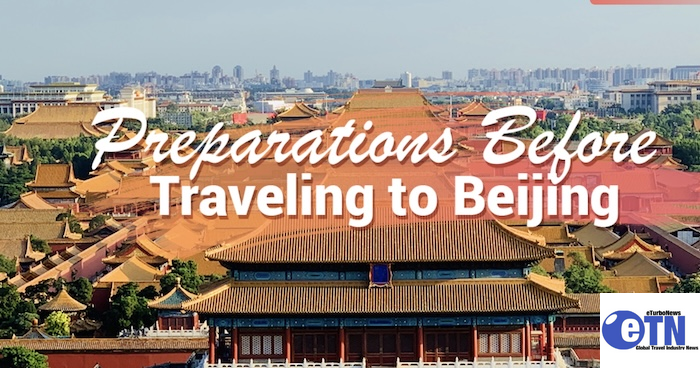
Beijing’s inbound tourism policy marks a strategic shift toward attracting more international visitors while enforcing stricter oversight across the travel sector. With expanded visa access, improved services, and tighter regulation of tour operators, the city aims to boost global arrivals while ensuring high-quality, transparent, and sustainable tourism growth.
Beijing- Beijing is taking a dual-track approach to tourism recovery and growth—welcoming more international visitors while simultaneously strengthening regulatory oversight of the sector. The latest policy direction signals a strategic shift: China’s capital is positioning itself not only as a premier global destination but also as a tightly managed, high-quality tourism marketplace.
A Strong Push for Inbound Tourism
At the core of Beijing’s updated tourism policy is a clear priority: attracting more international visitors and boosting inbound spending.
China has rolled out a comprehensive package of measures designed to expand inbound tourism consumption, improve service exports, and enhance the overall visitor experience. These policies are backed by multiple government agencies and align with the country’s broader economic strategy of strengthening the services sector.
Key initiatives include:
- Expanding visa-free entry schemes and optimizing transit visa policies
- Increasing tax refund outlets and simplifying refund procedures
- Improving payment accessibility for foreign travelers
- Enhancing multilingual services across transport hubs and tourist sites
- Promoting tourism linked to sports, culture, healthcare, and education
These measures come amid a strong rebound in inbound tourism. China recorded over 35 million foreign visits in 2025reflecting a surge of more than 30% year-on-year.
Officials see inbound tourism as a critical lever for economic growth, with travel services already accounting for a significant share of the country’s services trade.
Beijing’s Focus: Quality, Compliance, and Control
While boosting visitor numbers is a priority, Beijing is equally focused on tightening oversight of tourism operations.
New regulatory measures emphasize:
- Stronger supervision of travel agencies and tour operators
- Crackdowns on illegal practicesincluding forced shopping and misleading itineraries
- Improved consumer protection mechanisms
- Standardization of pricing and service quality
This reflects growing concern about maintaining China’s global tourism reputation as inbound travel scales up. Authorities aim to eliminate long-standing issues that have historically affected visitor satisfaction and trust.
According to policy analysts, this dual focus—growth and governance—is designed to ensure sustainable tourism developmentrather than a return to volume-driven expansion.
From Destination to Services Powerhouse
Beijing’s policy shift also highlights a broader ambition: transforming China from a traditional tourist destination into a global hub for travel-related services.
The government is encouraging integration across sectors such as:
- Hospitality and retail
- Cultural and entertainment industries
- Medical and wellness tourism
- Business travel and education services
Spending by foreign visitors across these segments is increasingly viewed as “travel service exports,” contributing directly to national economic performance.
Additionally, the expansion of visa-free policies—now covering dozens of countries and extended transit stays—underscores China’s intent to lower barriers to entry while maintaining centralized control over the tourism ecosystem.
Industry Implications
For global travel companies, tour operators, and hospitality providers, Beijing’s new policy framework presents both opportunities and challenges:
Opportunities
- Rising inbound demand and improved traveler convenience
- Expansion of high-value segments like luxury, medical, and event tourism
- Increased collaboration potential with Chinese partners
Challenges
- Stricter compliance requirements
- Greater scrutiny of pricing, marketing, and service delivery
- Need for alignment with evolving regulatory standards
Outlook
With inbound tourism identified as a “golden window” for growth over the next several years, Beijing’s approach reflects a calculated balance: opening the market to the world while ensuring it operates under tighter control.
If successfully implemented, the policy could redefine China’s tourism model—shifting from rapid expansion to high-quality, high-value, and highly regulated growth.
For international stakeholders, understanding this balance will be key to navigating—and benefiting from—China’s next phase of tourism development.