 Very few users know the iPhone model “GE296LL/A”, also called Isaac – because no one can buy it. As a customer of an Apple Store, you may have interacted indirectly with this device: Apple Store employees use this combination of iPhone and card reader to process card payments, among other things. In the future, sightings of this special format will become even rarer if Mark Gurman’s report is correct and Apple increasingly wants to equip sales staff with iPhone 16 models.
 Typical payment counters were frowned upon at Apple anyway. In the company’s own branches, cash drawers and bill printers were discreetly integrated into the furniture. Apple made the payment process as inconspicuous as possible – and preferably cashless using the mobile Isaac payment terminals. These oversized iPhones integrate a reader for chip and magnetic cards. These have increasingly faded into the background in recent years; instead, sellers were often equipped with an iPhone 14. Customers simply had to hold their iPhone, Apple Watch or credit card up to the seller’s iPhone to start a payment transaction.
Problem child metal credit card
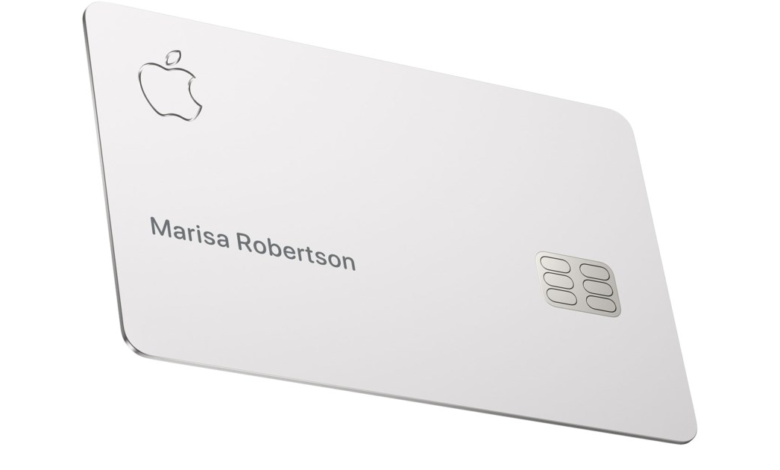
Nevertheless, several of the “classic” Isaac terminals were still found in all branches. The reason: Although all current payment cards have NFC chips for wireless purchase processing, there were certain credit cards that caused a problem. Namely, they were American Express Platinum and Chase Sapphire Reserve. The common denominator of these cards is that they are made of metal – and Apple offers a physical credit card made of titanium in the United States. Apparently the problem has been known to Apple for a long time, because Apple’s metal credit cards do not even have NFC chips – users are encouraged to use the virtual card in the wallet app.
Fewer problems with iPhone 16
Apple has apparently made improvements with other sensors or changed the housing design – with the iPhone 16 there are no longer such problems with metal credit cards. This means that you will often find sales employees with the iPhone model from 2025 in the Apple Store. At the same time, the likelihood of interaction with the company’s own payment terminal “Isaac” decreases. For those who make payments from the Apple Wallet, the retailer’s hardware upgrade does not mean any change – there were apparently no problems establishing a connection between two Apple devices via NFC.