Saudi Tourism’s New CEO Faces Vision 2030 Challenges Amid Middle East Uncertainty
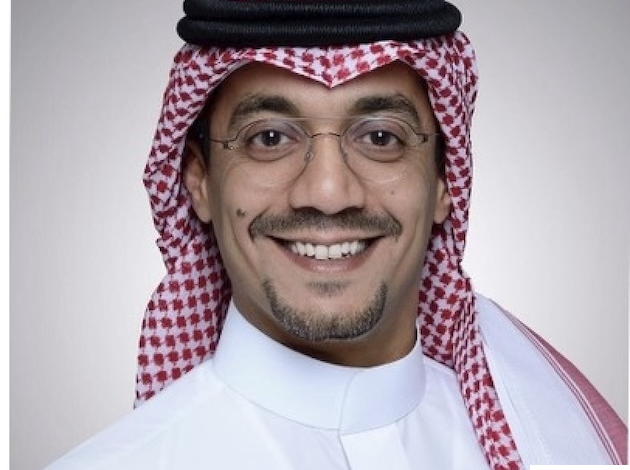
Riyadh– Saudi Arabia’s tourism transformation is entering a decisive new phase. Fahd Hamidaddin, one of the most recognizable architects of the Kingdom’s tourism revolution, is stepping down as chief executive of the Saudi Tourism Authority (STA) after seven years.
According to industry reports, Abdullah Al Hagbani will assume the role of acting CEO beginning July 1 while Saudi authorities consider a permanent appointment. The transition comes at a critical moment as Saudi Arabia moves from launching its tourism vision to proving it can sustain and monetize it.
The leadership change arrives as the Kingdom reassesses parts of Vision 2030, recalibrates some of its giga-project ambitions, and faces a tourism environment increasingly shaped by geopolitical uncertainty across the Middle East.
The Man Who Sold Saudi Arabia to the World
Fahd Hamidaddin
Hamidaddin became the global face of Saudi tourism during one of the most ambitious destination launches in modern history.
As founding CEO and board member of the Saudi Tourism Authority, he helped create the Visit Saudi brand, build global tourism partnerships, launch international campaigns, expand airline connectivity, and position Saudi Arabia as a destination for leisure travelers rather than exclusively business and religious visitors.
His role extends beyond marketing. He was tasked with changing international perceptions of Saudi Arabia itself.
When Saudi Arabia opened to international leisure tourism, many travelers associated the Kingdom more with politics, restrictions, and regional tensions than with tourism experiences. Hamidaddin became one of the principal voices explaining a new Saudi Arabia to the global travel industry.
Under his leadership, Saudi tourism surpassed its original Vision 2030 target of 100 million annual visitors years ahead of schedule, leading authorities to increase their ambition to 150 million annual visitors by 2030.
Welcome, Abdullah Al Hagbani
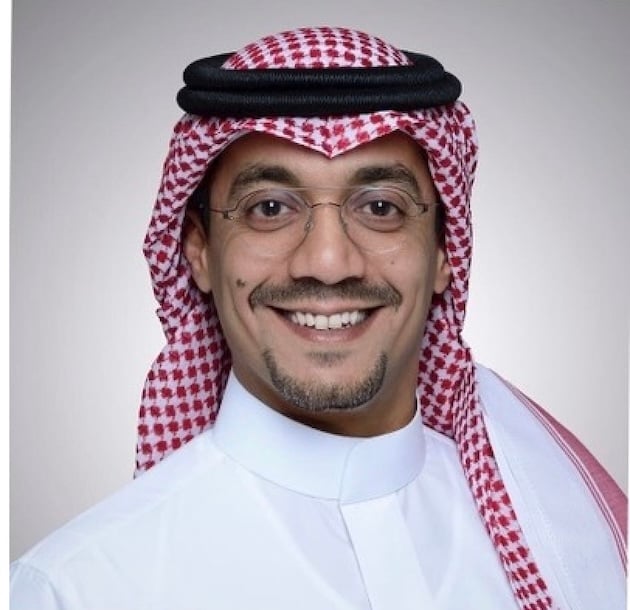
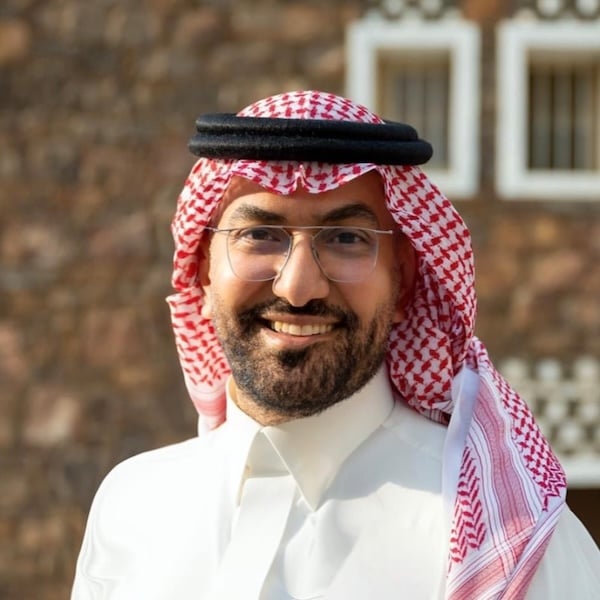
The appointment of Abdullah Al Hagbani may signal that Saudi tourism is entering a different stage of development.
Unlike Hamidaddin, who became a highly visible international speaker, Al Hagbani has largely worked behind the scenes. His experience has centered on partnerships, executive affairs, government coordination, tourism ecosystem development, and strategic stakeholder engagement across the Kingdom’s rapidly expanding tourism sector.
Industry insiders describe him as an institutional builder with strong relationships across government agencies, tourism investors, airlines, technology partners, and international organizations.
That distinction matters.
Saudi Arabia no longer faces the challenge of introducing itself to the world. The world is already paying attention.
The challenge now is execution.
The Kingdom must coordinate aviation growth, hotel development, destination management, workforce training, digital infrastructure, sustainability standards, event planning, and visitor experience delivery on a scale never before attempted in the region.
Al Hagbani’s background suggests Saudi authorities may be prioritizing operational delivery, institutional integration, and long-term value creation over destination-launch marketing campaigns.
His likely mandate will extend far beyond attracting visitors. He will be expected to help prepare Saudi Arabia for Expo 2030 Riyadh, the 2034 FIFA World Cup, and an unprecedented decade of international events that will place the Kingdom under constant global scrutiny.
Big Numbers, Bigger Questions
Saudi Arabia’s visitor statistics tell two different stories.
On one hand, the Kingdom has exceeded expectations. Visitor arrivals have surged, hotel development continues at a remarkable pace, and tourism has become one of the pillars of economic diversification under Vision 2030.
On the other hand, much of the growth has come from domestic tourism and religious travel.
Hajj and Umrah remain among the world’s most resilient tourism segments, while Saudi citizens increasingly travel within the Kingdom. International leisure tourism, however, remains the ultimate test.
The next challenge is convincing travelers from Europe, North America, and Asia to choose Saudi Arabia not once, but repeatedly, over established destinations such as the UAE, Oman, Jordan, Egypt, Turkey, Morocco, and Mediterranean markets.
Saudi Arabia possesses extraordinary tourism assets: AlUla, Diriyah, the Red Sea coast, Riyadh, Jeddah, mountain destinations in Aseer, UNESCO heritage sites, luxury resorts, sporting events, cultural attractions, and religious tourism unmatched anywhere in the Islamic world.
But tourism success is no longer measured by announcements alone.
It is measured by repeat visitors.
Giga Projects Meet Economic Reality
Saudi tourism’s next phase is also being shaped by financial realities.
Projects such as NEOM, The Line, Qiddiya, Trojena, Diriyah, and the Red Sea developments were designed to symbolize a new Saudi Arabia. They also became symbols of Vision 2030’s extraordinary ambition.
Yet some projects have been delayed, phased differently, recalibrated, or scaled back as costs, timelines, and investor expectations collide with practical realities.
This does not indicate failure.
It reflects the difficult transition from vision to delivery.
Building tourism destinations is one challenge. Filling them profitably year after year is another.
This is where Al Hagbani’s likely management style may become increasingly important. Saudi Arabia’s tourism sector now requires coordination as much as promotion.
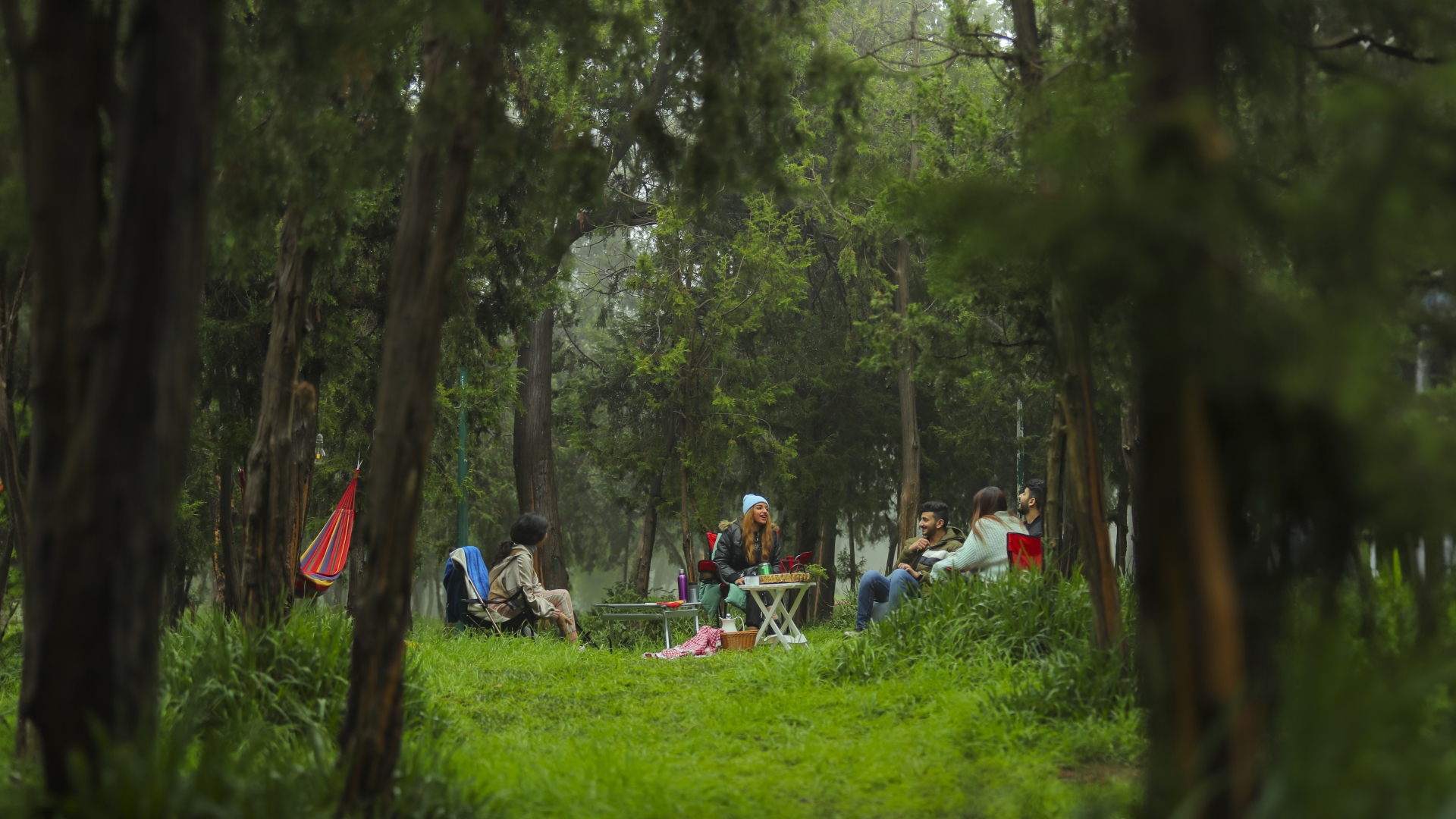
Discover Saudi Arabia: Culture, Nature & More
Plan your trip to Saudi Arabia with Visit Saudi. Explore top cities, Saudi attractions, cultural sites, and must-see tourist places across the Kingdom.
Tourism in a Geopolitical Storm
The timing of the leadership transition is particularly significant because regional instability continues to shape travel demand.
The Middle East remains vulnerable to conflict spillover, airspace disruptions, missile and drone threats, shifting airline networks, and fluctuating travel advisories.
Even destinations not directly involved in regional conflicts often face challenges in international perception when headlines focus on instability.
Saudi Arabia’s tourism strategy must therefore accomplish two goals simultaneously:
It must continue projecting excitement and opportunity while also reassuring airlines, investors, event organizers, and travelers that the Kingdom remains stable, accessible, and safe.
This balancing act may become one of Al Hagbani’s most important responsibilities.