
As international arrivals to the United States decline amid growing fears tied to immigration enforcement and political polarization, the US Travel Association hired Edelman PR to restore America’s image abroad. Yet despite negative perceptions, new research shows most foreign visitors still leave the US satisfied, welcomed, and more positive about America.
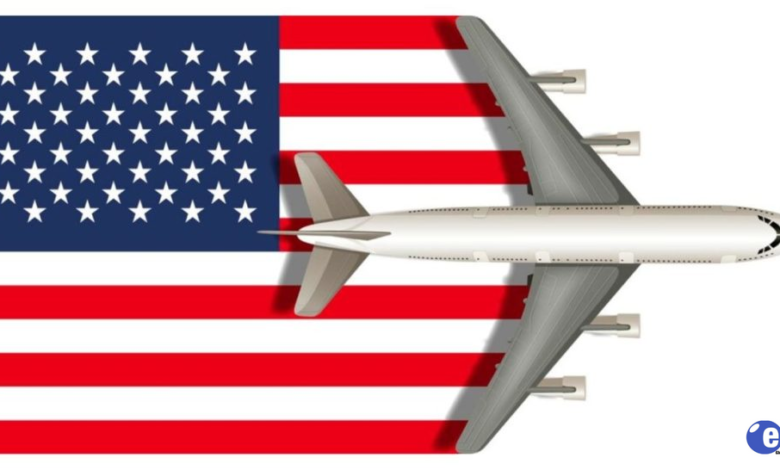
The US travel industry is scrambling to repair America’s image abroad as international visitor arrivals from key markets—including Western Europe and Canada—continue to decline amid growing concerns tied to the political climate under the Trump administration.
In an apparent effort to counter worsening global perceptions, the US Travel Association hired global communications giant Edelman to help polish the country’s image internationally. However, when eTurboNews reached out to both organizations seeking clarification on the campaign’s goals and strategy, neither was willing to engage publicly.
Edelman declined to answer questions, and media materials circulated internationally reportedly omitted direct phone contacts—an unusual move for a public relations campaign intended to reassure foreign audiences.

International Visitors Are America’s Best Brand Ambassadors. The Data Proves It.
A
Behind the polished messaging lies a difficult reality: the perception of the United States as a welcoming destination has suffered severe damage internationally, even if everyday Americans remain largely welcoming to foreign guests.
Tourism Industry Fighting a Perception Crisis
The challenge facing the US tourism sector is not necessarily the visitor experience itself—but fear, uncertainty, and perception.
Across Europe and Canada, travelers increasingly associate the United States with political division, stricter immigration enforcement, environmental rollbacks, and hostile rhetoric surrounding diversity and inclusion.
For LGBTQ travelers in particular, concerns have intensified after LGBTQ-focused travel content quietly disappeared from some US destination marketing websites and tourism boards. Industry insiders fear that silence on inclusivity sends a powerful message abroad.
Meanwhile, travelers from countries such as India face mounting visa concerns, including discussions surrounding financial bond requirements reportedly reaching as high as $15,000 for certain applicants. Such proposals create another layer of uncertainty for potential visitors.
Trump Tourism: Join the Fight | Trump Tourism
Travel from and to the United States and the industry behind has changed under US President Donald Trump. There are new challenges, expectations, and regulations.
In visa waiver countries such as Germany, travelers are increasingly influenced by environmental concerns and media coverage about immigration enforcement actions at US airports. Stories involving aggressive questioning by customs officials and highly publicized ICE raids have contributed to growing anxiety among international travelers.
While the actual risk of a tourist being detained or ending up in immigration custody remains extremely low, perception often outweighs reality in travel decision-making.
As a result, many European travelers are choosing alternative destinations such as Canada, Japan, and South Korea—or simply opting to vacation closer to home within Europe.
A Delicate Balancing Act
Privately, many US destinations, tourism boards, hotel groups, and industry executives acknowledge the damage caused by the political climate and federal government messaging. Publicly, however, few are willing to openly criticize the administration.
The tourism industry now finds itself navigating an extraordinarily delicate balancing act: trying to reassure international travelers without alienating political leadership in Washington.
The divide within the United States itself further complicates the effort.
Yet industry leaders insist that, beyond politics, Americans across party lines still overwhelmingly welcome international visitors with open arms.
Showing that warmth internationally, however, has become increasingly difficult.
Organizations including the World Travel & Tourism Council are reportedly engaging with the White House and the Department of Commerce in hopes of finding common ground on tourism policy and rebuilding international confidence in the US market.
New Survey Offers a More Positive Picture
Despite the negative headlines, new research commissioned by the US Travel Association suggests that visitors who actually make the trip to America often leave with a far more positive impression than expected.
A survey conducted by YouGov among 1,284 international travelers from eight countries found overwhelmingly positive visitor experiences among those who visited the United States within the last six months.
Among the findings:
- 91% of international travelers said they were satisfied with their recent trip to the United States
- 83% said they felt welcome during their visit
- 61% said their trip left them with a more favorable opinion toward the United States
- 56% said traveling to the US improved their perception of safety
“We’re in a moment when confidence and perception are shaping traveler decisions,” said Geoff Freeman. “Travel is our greatest public diplomacy tool. Every international visitor who has a positive experience becomes America’s greatest ambassador.”
The survey also highlighted tourism’s economic value to local communities. More than three-quarters of respondents said they shopped at small businesses during their stay, helping support local economies throughout the country.
Nearly half of the respondents also said their visit made them more supportive of US government security policies, underscoring how firsthand travel experiences can reshape opinions abroad.
The study surveyed travelers from Argentina, Brazil, Canada, France, Germany, India, South Korea, and the United Kingdom between April 17–28, 2026.
America’s Tourism Industry Faces Its Toughest Branding Challenge in Decades
The contrast between positive visitor experiences and worsening international perceptions may define the next chapter of US tourism marketing.
Industry leaders know the problem cannot be solved through advertising alone.
For many travelers abroad, America is no longer judged only by its national parks, beaches, cities, or attractions—but by its politics, social climate, immigration policies, and international reputation.
The message from US tourism officials is clear: visitors who come still overwhelmingly enjoy America. The bigger challenge may be convincing them to book the trip in the first place.