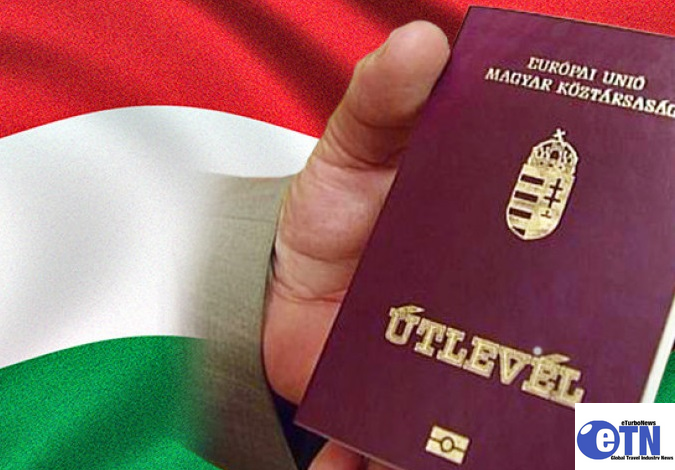
The right-wing government in Hungary is gone, ending Viktor Orbán‘s 16-year rule and signaling a shift toward closer ties with the European Union. The change may improve Hungary’s global image, boost tourism, and reopen debate on democratic norms and LGBTQ rights.

About Hungary – Latest news about Hungary
Latest news about Hungary from the official briefing room
Viktor Orbán, the dominant force in Hungarian politics for more than a decade and a half, has been voted out of office in a stunning electoral defeat that is already reshaping the political trajectory of both Hungary and the broader European Union.
His loss to opposition leader Péter Magyar marks the end of a nationalist, right-wing era that often placed Hungary at odds with Brussels, and signals a potential reorientation toward a more cooperative European stance — including, many observers believe, a recalibration on civil rights.
A Reversal Felt Across Europe
For years, Mr. Orbán cast himself as a defender of national sovereignty, frequently clashing with EU institutions over judicial independence, migration and minority rights. His government’s policies toward LGBTQ people — including restrictions on educational content and public representation — drew sustained criticism from European officials and human rights groups.
His departure is now being interpreted in Brussels as more than a political shift; it may open the door to a gradual restoration of rights frameworks aligned with broader EU standards.
Mr. Magyar has not campaigned as a progressive reformer, but he has signaled a willingness to de-escalate culture-war politics and re-engage with European legal norms. That alone could mark a meaningful change in tone — and, over time, in policy.
Equality and Europe’s Internal Contrast
Across much of Europe, LGBTQ rights have become closely tied to democratic identity. Hungary under Mr. Orbán stood apart, often aligning more closely with conservative movements abroad than with EU consensus.
His defeat therefore carries symbolic weight: it suggests that even after years of institutional pressure, voters may still respond to concerns about isolation and reputational decline.
At the same time, the moment highlights a widening contrast with the United States. In recent years, debates in parts of the US over education, gender identity and public policy have intensified, with critics arguing that some protections are being rolled back at the state level.
In that context, Hungary’s election may be read — particularly in European capitals — as part of a broader reassertion of liberal democratic norms, including minority protections, even if progress remains uneven and politically contested.
Tourism: Image, Inclusion and the Visitor Economy
While politics often feels distant from travel decisions, perception matters — and inclusion has become an increasingly visible factor in global tourism.
A More Inclusive Image
Cities like Budapest have long attracted international visitors for their architecture, nightlife and cultural heritage. Yet Hungary’s recent political climate had, at times, created uncertainty among LGBTQ travelers and younger tourists in particular.
A shift in government could begin soften that perceptioneven before major legal changes occur. Travel industry analysts note that destinations seen as open and inclusive tend to benefit from stronger growth in high-spending, international segments.
Events such as Pride celebrations — which continued in Budapest despite political tensions — may gain renewed visibility and support, reinforcing Hungary’s appeal as a culturally vibrant destination.
Economic Implications of Inclusion
Inclusivity is not just a social policy; it is also an economic strategy.
- LGBTQ travelers represent a significant and globally mobile market
- International conferences and creative industries often prioritize inclusive destinations
- Multinational companies consider social climate when selecting event locations
If Hungary moves closer to EU norms on equality, it could:
- Attract more international events
- Increase Western European and North American tourism
- Strengthen Budapest’s position alongside cities like Vienna and Berlin
Curiosity, Change and Caution
In the short term, Hungary may see a rise in curiosity-driven travel — visitors drawn by a country in transition. Over the longer term, however, the impact will depend on whether political change translates into sustained policy shifts.
Institutional reforms take time, and public opinion remains divided. The tourism sector, resilient even during periods of political controversy, is unlikely to transform overnight.
A Country Reintroducing Itself
Hungary’s election represents more than a сменa of leadership; it is an opportunity to redefine its place in Europe — politically, culturally and economically.
For travelers walking along the Danube or gathering in Budapest’s cafés, the changes may feel subtle at first. But the signals — a warmer relationship with Europe, a less confrontational political tone, and the possibility of a more inclusive public sphere — could gradually reshape how Hungary is experienced and understood.
In a global tourism landscape increasingly shaped by values as well as attractions, that shift may prove as positive as any policy change.