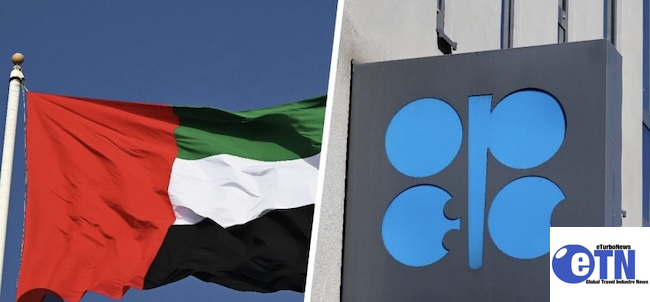
The United Arab Emirates’ exit from OPEC marks a pivotal shift from oil dependence to a future driven by aviation and tourism. Airlines like Emirates and Etihad Airways could benefit from fuel flexibility, while Dubai and Abu Dhabi stood to gain from increased global travel demand.
Abu Dhabi By 2026, the United Arab Emirates is charting a course away from oil diplomacy and towards a future defined by airplanes, airports, and global travelers.
The OPEC Statute stipulates that the principal aim of OPEC is to harmonize the petroleum policies of its Member Countries as part of its efforts to safeguard their interests. It further states that members of the Organization shall work together to ensure stable oil prices, secure fair returns to producing countries and investors in the oil industry, and provide a steady petroleum supply to consumers.
A break with oil orthodoxy
When the United Arab Emirates announced it would leave OPEC, the move was widely read as a geopolitical jolt to global energy markets. But inside the glass towers of Dubai and the government offices of Abu Dhabi, the decision reflects something more calculated: a steady pivot away from oil as the centerpiece of the national economy.
For decades, oil wealth financed the UAE’s transformation into a global hub. Now, leaders are betting that Aviation and tourism can carry the next phase of growth—with fewer constraints from cartel-driven production limits.
Airlines poised to benefit — cautiously
Executives at Emirates and Etihad Airways are watching closely. Fuel is one of the largest costs for any airline, and even small shifts in oil pricing ripple through balance sheets.
Analysts say that outside OPEC quotas, the UAE could eventually increase production, contributing to downward pressure on global oil prices. That could mean:
- Lower jet fuel costs
- More competitive long-haul fares
- Stronger profit margins
But the picture is not entirely clear. Less coordination in global oil supply can also bring price volatilitycomplicating fuel hedging strategies that airlines rely on for stability.
“There’s upside, but also uncertainty,” said one aviation analyst familiar with Gulf carriers. “The UAE is gaining flexibility, but the market may become less predictable.”

Organization of the Petroleum Exporting Countries
The superhub model underlines the shift
The UAE’s economic model already leans heavily on aviation. Airports in Dubai and Abu Dhabi function less as local gateways than as global transfer pointslinking Europe, Asia and Africa.
Millions of passengers pass through each year—many never leaving the airport but still contributing to airline revenues and airport economies.
Leaving OPEC reinforces that model. Instead of aligning with oil output targets, the UAE is free to prioritize sectors that depend on global mobility:
- Airline expansion
- Airport infrastructure
- Logistics and cargo networks
In effect, the country is doubling down on its identity as a connector of continents.
Tourism stands to gain
If aviation is the engine, tourism is the payload.
Dubai and Abu Dhabi have spent years building themselves into destinations that blend luxury, architecture and cultural attractions.
Landmarks such as the Burj Khalifa and the Sheik Zayed Grand Mosque draw millions annually, while resort developments like Palm Jumeirah cater to high-end travelers.
A potential drop in fuel costs could translate into lower airfaresmaking long-haul travel to the Gulf more accessible—particularly for visitors from Europe, Asia and North America.
Tourism officials hope that dynamic will:
- Boost visitor numbers
- Extend average stays
- Increase spending across hotels, retail and entertainment
Regional tensions add complexity
The timing of the UAE’s exit comes amid heightened geopolitical tensions in the Middle East, including concerns about shipping routes and regional security.
For aviation, that introduces risk:
- Airspace closures or rerouting
- Higher insurance premiums
- Longer flight times on certain routes
Airlines must balance the potential financial upside from cheaper fuel with operational uncertainties stemming from regional instability.
A long-term economic recalibration
Economists say the move underscores a broader truth: the UAE has been preparing for a post-oil future for years.
Non-oil sectors already account for a growing share of GDP, with tourism and aviation among the most prominent. Leaving OPEC simply accelerates that trajectory.
Rather than anchoring its future to coordinated oil output, the UAE is tying its fortunes to the movement of people and goods across borders.
The bottom line
The UAE’s departure from OPEC is likely to reverberate far beyond energy markets. For airlines like Emirates and Etihad, it could reshape cost structures and competitive dynamics. For Dubai and Abu Dhabi, it could strengthen their position as global tourism magnets.
The shift carries risks, particularly in a volatile region. But it also reflects a clear strategy:
In an interconnected world, the UAE is betting that influence will come less from oil beneath the desert—and more from the millions of planes moving through its skies.