
Easter 2026 tourism surged globally, with Europe and spring destinations seeing record demand. However, the ongoing Iran was disrupted flights, increased travel costs, and shifted tourist flows. While the industry celebrates strong growth, rising geopolitical risks and overtourism challenges highlight the need for more resilient and sustainable travel strategies.
A Tourism Season of Growth Meets Global Uncertainty
As the Easter holidays conclude, the global tourism industry reflects on a season defined by strong recovery and shifting realities. Traditionally a peak travel period, Easter 2026 delivered robust growth across many regions—but it also unfolded against the backdrop of geopolitical tension, particularly the ongoing Iran war, which reshaped travel patterns and introduced new challenges.
A Successful Tourism Bounce Back
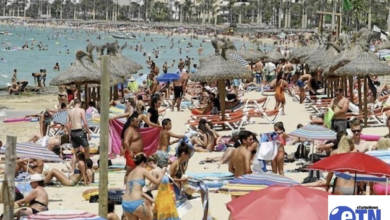
Tourism boards and operators across Europe, North America, and parts of Asia reported a significant surge in bookings during the Easter break. Destinations celebrated for their spring appeal—such as Italy’s Amalfi Coast, Spain’s Andalusia region, and Japan’s cherry blossom hotspots—experienced a notable influx of visitors seeking both cultural enrichment and relaxation.
Airlines and hotels operated at near full capacity, with many exceeding pre-pandemic revenue levels. Travel agencies observed a growing demand for personalized, experience-driven itineraries. Wellness retreats, culinary tourism, and nature-based travel emerged as leading trends, reflecting a shift toward more mindful and immersive holiday experiences.
Additionally, Europe benefited from a redirection of global travel flows. With parts of the Middle East affected by conflict, many travelers opted for perceived “safer” destinations, further boosting arrivals across the continent.
Tourism Challenges Amidst Growth
Despite strong performance, the Easter tourism season revealed several structural and emerging challenges.
Tourism Overcrowding and Infrastructure Strain
Popular destinations faced significant pressure, with overcrowding at historic landmarks leading to long queues and reduced visitor satisfaction. The strain on local infrastructure has renewed calls for better crowd management and sustainable tourism policies.
Transportation Bottlenecks
Airports and transport systems struggled to cope with increased passenger volumes, resulting in delays and operational disruptions. These issues were compounded by global aviation pressures linked to the Iran war.
Rising Travel Costs and Economic Pressures
The conflict has contributed to rising oil and jet fuel prices, increasing travel costs. Airfares and accommodation prices climbed, making travel less accessible for some and placing financial strain on operators.
Labor Shortages
Staffing shortages continued to impact service quality, as many tourism businesses struggled to recruit and retain workers during peak demand periods.
Supply Chain Disruptions
Hospitality providers faced intermittent shortages of goods, driving up operational costs and complicating service delivery.
The Iran War: A New Layer of Complexity
The ongoing Iran war has introduced a significant new dimension to Easter tourism:
- Flight Disruptions: Airspace closures and rerouted flight paths have caused delays and cancellations, affecting global travel networks—not just routes directly linked to the Middle East.
- Shift in Travel Patterns: Tourists are avoiding conflict-affected regions, leading to a decline in Middle Eastern tourism while boosting demand in Europe and other stable destinations.
- Increased Safety Concerns: Travelers are increasingly factoring geopolitical risks into their decisions, favoring familiar or nearby destinations.
- Industry-Wide Cost Increases: Higher fuel prices and insurance costs are placing financial pressure on airlines and tour operators.
These factors have underscored how interconnected global tourism is with geopolitical stability.

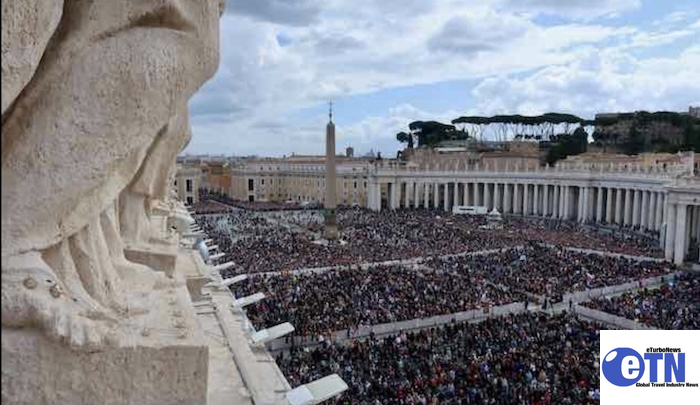
Pope: Easter drives out hatred and brings down the mighty – Vatican News
At the Easter Vigil Mass in the Vatican, Pope Leo says that “God responds to the hardness of sin – which divides and kills – with the power of love, …
Balancing Tourism Growth, Risk, and Sustainability
Industry experts stress that sustaining tourism growth will require innovation and adaptability. Key strategies include:
- Promoting lesser-known destinations to reduce overcrowding
- Investing in digital tools for crowd and capacity management
- Expanding sustainable transport and eco-friendly tourism practices
- Strengthening crisis resilience in response to geopolitical risks
There is cautious optimism that lessons from this Easter season—particularly the interplay between growth and disruption—will guide a more balanced and resilient future.
The Easter 2026 Tourism Season
The Easter 2026 tourism season stands as a testament to the industry’s resilience and evolving dynamics. While strong demand and economic gains highlight a successful recovery, challenges ranging from overtourism to geopolitical conflict reveal the complexity of modern travel.
As the sector moves forward, its ability to adapt—to both internal pressures and global events like the Iran war—will determine whether tourism can remain both prosperous and sustainable in the years ahead.