EU, Switzerland, Luxembourg and Lombardy Launch Major Freshwater Preservation Program to Boost Sustainable Tourism

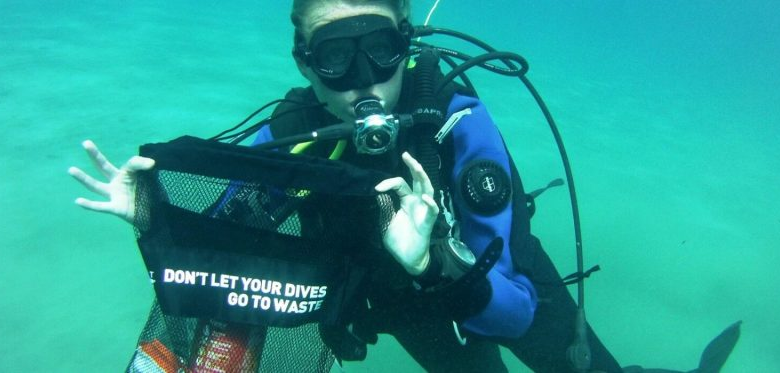
A new trilateral initiative linking Luxembourg, Switzerland, and Lombardy aims to protect freshwater biodiversity through Certified SAFE Marine Areas while removing plastic from lakes and rivers. By restoring pristine waterways and promoting sustainable tourism, the program positions these regions as premier eco-tourism destinations, boosting visitor appeal, local economies, and long-term environmental resilience.
LUXEMBOURG – A new cross-border environmental initiative bringing together Luxembourg, Switzerland, and the Italian Province of Lombardy has been launched to protect freshwater biodiversity while strengthening sustainable tourism and regional economic development.
The program, coordinated by the Ocean Alliance Conservation Member (OACM), establishes what organizers describe as the world’s largest freshwater biodiversity preservation effort by implementing Certified SAFE Marine Areas (CSMA) in major lakes and rivers across the participating regions.
A Regional Alliance for Environmental Action
The initiative follows an endorsement by the Lombardy Ministry supporting the development of CSMA zones to accelerate sustainable tourism and ecosystem restoration. The effort is led in Italy by Avv. Maurizio CodurriOACM Representative for the country.
Under the trilateral framework, Luxembourg and Switzerland will join Lombardy in creating a coordinated environmental and economic platform designed to align freshwater protection with regional tourism development.

Luxembourg’s Special Envoy, Hon. Nuno Bulhão Patowill lead the implementation of the program in the Grand Duchy, supported by a team of OACM ambassadors and specialists. The diplomatic and strategic team includes:

Christian Falk RichterAmbassador for Strategic Planning and Development for Luxembourg 2030

Philippe DispasAmbassador and Supervisor for Operational CSMA Activities

Hon. Eman KebbaniAmbassador for Luxembourg International Relations and Diplomacy
The official presentation of these teams will continue in Switzerland and Germany next week, signaling the initiative’s rapid expansion throughout Europe.
Tackling Plastic Pollution in Freshwater Ecosystems
Unlike many conservation frameworks focused primarily on policy recommendations, the CSMA initiative centers on direct field operations to remove plastic waste from lakes and rivers.
Research and monitoring will be conducted by teams of marine biologists, freshwater researchers, and oceanographers from Swiss, Luxembourgish, and Italian institutions. Scientific oversight will be coordinated through the OACM Oceanographic Biodiversity Research Institute of the Arctic (OBRIA) to ensure measurable environmental restoration and ecosystem recovery.
The program aims to address the growing challenge of plastic pollution and the spread of nano- and microplastics in inland waters—an issue increasingly affecting both biodiversity and tourism economies.
Linking Conservation and Tourism
According to OACM leadership, the program is designed to integrate biodiversity preservation directly with the global tourism industry.
“Luxembourg is globally recognized for economic sustainability, Switzerland for organizational and scientific innovation, and Lombardy as a premier freshwater tourism destination,” said the OACM President in a statement announcing the initiative. “By combining the expertise and pioneering spirit of these regions, we can create a model that benefits both the environment and local economies.”
The project aligns with the UN Tourism Global Code of Ethics for Sustainable Tourismwhich identifies biodiversity as a core pillar of sustainable tourism development.
OACM is also working with World Travel Market (WTM) to help destinations position themselves internationally as Certified SAFE Water Areaspromoting tourism that supports conservation while providing safe environments for recreation and aquatic life.
ESG Partnerships and Corporate Involvement
As part of the program, OACM has developed a specialized Environmental, Social, and Governance (ESG) framework to attract corporate investment in verified environmental restoration.
The initiative seeks to provide companies with measurable sustainability projects while helping governments fund conservation efforts. Organizers say this structure is intended to reduce “greenwashing” by linking corporate contributions to transparent environmental outcomes.
Toward a Global Water Conservation Strategy
OACM officials say the trilateral alliance represents the beginning of a broader international strategy to integrate environmental diplomacy, scientific research, and economic development in protecting the world’s aquatic ecosystems.
The organization is currently expanding its network of envoys, ambassadors, and research partners worldwide with the goal of establishing coordinated policies for ocean, lake, and river preservation.
“With global plastic pollution accelerating, freshwater ecosystems can no longer absorb the scale of waste entering them,” OACM stated. “International collaboration and measurable restoration are now essential.”
A New Chapter for Europe’s Blue Economy
By combining environmental protection with tourism and economic development, the Luxembourg–Switzerland–Lombardy partnership aims to create a model for sustainable freshwater management across Europe.
If successful, the program could redefine how regions balance conservation with tourism growth—demonstrating that protecting biodiversity and supporting local economies can move forward together.