La mise à l’échelle de la puissance reste l’une des plus grandes préoccupations de l’anime. Il y a beaucoup trop de personnages – protagonistes, antagonistes ou autres – qui développent des capacités grâce à des rebondissements et des rencontres dénuées de sens. Heureusement, même une mise à l’échelle imparfaite de la puissance n’enlève rien aux succès de certains sous-ensembles de personnages d’anime, dont chacun est devenu célèbre pour avoir survécu aux conditions les plus difficiles.
En fait, ces individus n’ont jamais perdu un seul combat loyal, ce qui implique que leurs adversaires ont échoué de façon spectaculaire ou ont dû recourir à des subterfuges et/ou à des tricheries flagrantes. Ce n’est pas toujours une question de force physique, comme le confirment divers personnages d’anime à travers le média. En fait, une combinaison de puissance brute, de vitesse, d’intelligence, d’endurance, de durabilité et de maîtrise des armes est souvent nécessaire pour créer de telles puissances d’anime.
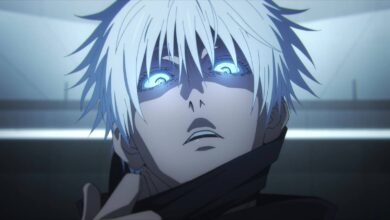
La naissance de Satoru Gojo a changé à jamais la société Jujutsu
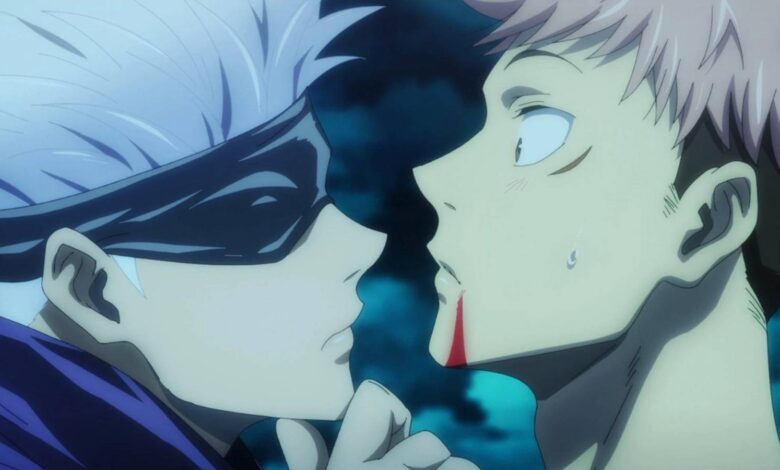
Satoru Gojo était destiné à être si puissant que l’accident de sa naissance a recadré la dynamique du monde du jujutsu. Les Six Yeux lui ont permis de percevoir son environnement à plusieurs niveaux, tandis que sa technique maudite illimitée lui a permis de manipuler le concept impossible de l’Infini lui-même. Gojo a failli être abattu par Toji Fushiguro, mais il a survécu à cette rencontre pour devenir encore plus fort qu’avant.
L’idée que Gojo perde une bataille semblait suffisamment absurde pour que Jujutsu KaisenLe mangaka de , Gege Akutami, a reconnu l’erreur de le rendre trop maîtrisé. La seule façon de le faire tomber était de contourner son Infini, qui, par définition, ne peut jamais être contourné. À moins, bien sûr, que l’adversaire de Gojo soit au moins aussi fort que lui, et a accès à des capacités externes extrêmement rares qui peuvent compenser Limitless.
Yamamoto Genryusai ne pouvait être vaincu que par la ruse

En tant que Shinigami le plus fort du monde Eau de JavelYamamoto Genryusai est resté le capitaine-commandant du Gotei 13 pendant plus d’un millénaire parce que personne ne valait la peine de le défier. Armé uniquement de son Shikai, Yamamoto pouvait incinérer des villes entières et pensait que même Aizen ne pourrait pas survivre à Ryuujin Jakka. Il avait raison ; Aizen a conçu un stratagème visant spécifiquement à neutraliser le Shikai de Yamamoto.
Puis vint le Zanka no Tachi de Yamamoto dans l’arc de la guerre sanglante de mille ans, un Bankai qui générait suffisamment de chaleur pour vaporiser toute la Soul Society. Les fans voulaient voir Yhwach engager le vieil homme dans une bataille acharnée, mais l’empereur Quincy a trompé Yamamoto et lui a volé son Bankai. Dans les deux cas, des tactiques déloyales ont été employées pour priver le capitaine-commandant de ses pouvoirs avant de le vaincre.
Neferpitou n’a pas eu de chance d’avoir Gon comme ennemi

L’arc Chimera Ant a pris Chasseur x Chasseur au prochain niveau de puissance pure. Même si le roi des fourmis Meruem serait toujours incomparable, sa garde royale n’était pas loin derrière. Isaac Netero, président de l’Association des Chasseurs et l’humain le plus fort du monde, a déclaré que le Nen brut de Neferpitou dépassait de loin le sien. Ainsi, lorsque Netero a déclenché une invasion du palais royal des fourmis chimères, il a frappé Neferpitou sur une grande distance au lieu de l’engager directement.
L’immense force de Neferpitou a entraîné d’innombrables morts et défaites, y compris des utilisateurs talentueux de Nen tels que Kite, qui étaient essentiellement des jouets avec lesquels jouer. En fin de compte, il a fallu un dangereux Vœu de Nen et la transformation de Gon en Gon Adulte pour faire tomber Neferpitou – rien de moins, et HxHLe protagoniste de serait devenu de la viande hachée. Neferpitou était tout simplement trop rapide, fort et durable pour quiconque.
Yoriichi Tsugikuni était le seul humain plus fort que Muzan

Le Roi Démon Muzan dirige fièrement une armée de serviteurs, les envoyant accomplir diverses tâches en son nom. Tueur de démons a peint Muzan comme au-delà de chaque Hashira, sans doute plus fort que toutes les lunes démoniaques supérieures et inférieures combinées. Et pourtant, le Roi Démon préférait manipuler le monde depuis l’ombre, alors qu’il aurait tout aussi bien pu participer sur le champ de bataille.
Cette situation de travail à domicile et ce refus de se montrer sont le résultat de la première et unique rencontre de Muzan avec Yoriichi Tsugikuni, le créateur du style Sun Breathing. Yoriichi était sans effort supérieur au Roi Démon, qui était choqué et terrifié par un humain ordinaire le traitant comme une proie faible. Tanjiro Kamado porte peut-être l’héritage de Yoriichi Tsugikuni, mais donner au protagoniste le même niveau de pouvoir aurait pris fin. Tueur de démons beaucoup plus rapide.
Le passé de Shanks aux cheveux roux est actuellement révélé dans le Une pièce manga, alors que les fans sont de plus en plus impressionnés par l’homme qu’ils adorent déjà. Shanks a apparemment subi une défaite contre Barbe Noire dans un combat hors écran, mais le comportement louche et les tactiques trompeuses de ce dernier en étaient très probablement la cause. Prendre Shanks de front est une entreprise dans laquelle seuls les plus stupides se lanceraient, comme en témoignent Eustass Kid et les Kid Pirates.
La démonstration de puissance grandiloquente de Kid a presque coûté la vie à d’innombrables innocents, seulement pour que la Vision du futur de Shanks sauve ses alliés avant même que Kid ne lance son attaque. Shanks a déclenché une seule frappe qui a complètement vaincu Kid et détruit son vaisseau. Des exemples antérieurs mettent également en évidence la force incommensurable de Shanks, depuis l’arrêt à lui seul de la guerre de Marineford jusqu’à la soumission terrifiante des amiraux.
Le roi Bradley a perdu à cause de Scar à cause de tous les dégâts cumulés

Sans doute le combattant le plus efficace parmi les Homunculi de Fullmetal Alchemist : Confrériele roi Bradley, alias Wrath, était une force de la nature imparable. L’Ultimate Eye lui a accordé une perception presque parfaite, lui permettant d’interpréter avec précision les mouvements, la tension et l’intention. Bradley est né humain, ce qui le rend différent de ses frères et sœurs Homunculi, ce qui lui confère également un sens du combat unique sur le champ de bataille.
Bradley envoie des dizaines d’adversaires partout FMA : Fraternitédu premier Greed aux personnages secondaires héroïques comme Buccaneer et Fu. Blessures sportives qui auraient tué la plupart des autres personnages, Bradley survit assez longtemps pour combattre Scar. Cette bataille symbolise la vengeance et la justice pour le génocide des Ishavaliens, mais Bradley ne perd que grâce aux dégâts cumulés infligés par plusieurs adversaires.
Koro-sensei a dû persuader la classe 3-E de le tuer

Salle de classe d’assassinatLe Koro-sensei de est une énorme créature de couleur jaune en forme de ballon. Il peut voler à des vitesses de Mach 20, défier les conventions temporelles, se régénérer parfaitement et est ostensiblement immunisé contre les armes conventionnelles. L’anime le présente intentionnellement comme presque invincible, ce qui implique qu’un combat équitable contre Koro-sensei ne pourrait jamais avoir lieu. Et pourtant, c’est ce qu’il passe une grande partie de son temps à enseigner à ses élèves.
Koro-sensei a dû mourir pour sauver le monde, mais ce ne sont pas ses élèves, certes bien entraînés, qui ont mis fin à ses jours. Au contraire, Koro a été grandement affaibli par une bataille avec Shiro et le Faucheur, et il a volontiers invité la Classe 3-E à terminer le travail. Cela dit, les étudiants n’auraient pas pu remplir leur mission finale sans leur entraînement rigoureux, témoignage de la puissance globale de Koro-sensei.
All Might remporte les combats les plus durs par la peau de ses dents

Vénéré comme le symbole de la paix dans Mon université de hérosLa simple présence d’All Might a maintenu une ère d’harmonie un peu comme Satoru Gojo. Portant une version très évoluée de One For All Quirk, le héros professionnel n°1 a submergé avec désinvolture la grande majorité de ses ennemis et a vaincu All For One à deux reprises. Leur première bataille s’est terminée par la grave blessure d’All Might, tandis que la seconde a eu lieu après qu’il ait légué One For All à Deku.
Malgré l’absence de l’alter qui a fait de lui le plus grand héros de sa génération, All Might a réussi à surmonter tous les obstacles, à extraire les braises mourantes de One For All et à porter un coup avec une telle puissance et une telle détermination que All For One a été instantanément assommé. Alors que All Might a ensuite été vaincu par All For One dans la saga finale, Mon université de héros les fans ont reconnu la profonde injustice de cette bataille.
L’expérience de Genkai à elle seule était suffisante pour la plupart des batailles

Des figures de mentor comme Dragon Ballle Maître Roshi et NarutoKakashi de exerce un pouvoir énorme, et la même chose peut être dite pour Yu Yu HakushoC’est Genkai. L’une des rares femmes mentors de l’anime shonen, les compétences de combat de Genkai dépassaient de loin celles de son élève Yusuke, au moins jusqu’au Tournoi des Ténèbres. En tant que compétitrice elle-même, Genkai a utilisé une combinaison de force brute, d’élégance au combat et de sagesse philosophique pour vaincre ses adversaires.
Même après avoir confié l’essentiel de son « pouvoir » à Yusuke, Genkai n’a rencontré aucun problème contre Shishi Wakamaru et Suzuki. Des décennies d’expérience et de connaissances lui ont valu les deux combats, et elle n’est tombée que face au jeune Toguro. La bataille finale de Genkai était cependant loin d’être juste, car elle était une humaine âgée alors que le jeune Toguro avait la force d’un démon de classe B.
Saitama ne perdra probablement jamais un combat dans One-Punch Man
La question de l’équité perd son sens face à L’homme à un coup de poingIl s’agit de Saitama, qui n’a pas encore perdu un seul combat. En fait, le protagoniste chauve et attachant utilise à peine plus d’une fraction de son pouvoir à un moment donné. D’un autre côté, il est tout à fait juste que des ennemis défient Saitama sans reconnaître son véritable pouvoir – c’est juste dans la nature de certains méchants d’anime (ou héros, d’ailleurs).
En excluant le webcomic et le manga pour des raisons de spoiler, Saitama a vaincu des bêtes anciennes, des insectes maîtrisés, des monstres mutants, la royauté océanique et Boros, le soi-disant Dominateur de l’Univers. La force absurde de Saitama parodie les excès de l’anime shonen, mais L’homme à un coup de poingL’excellent scénario de ternit quelque peu la satire. Les fans recherchent les raisons de l’invincibilité de Saitama, sans que cela fasse une différence dans son statut actuel au sommet du canon des héros shonen.