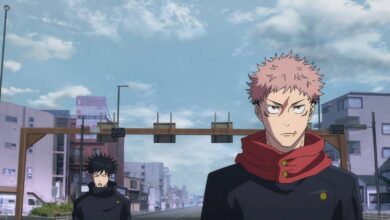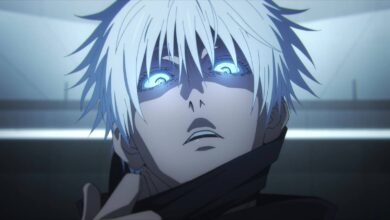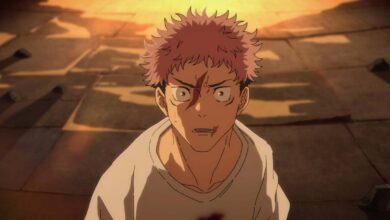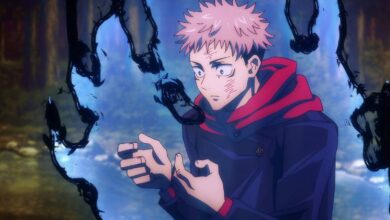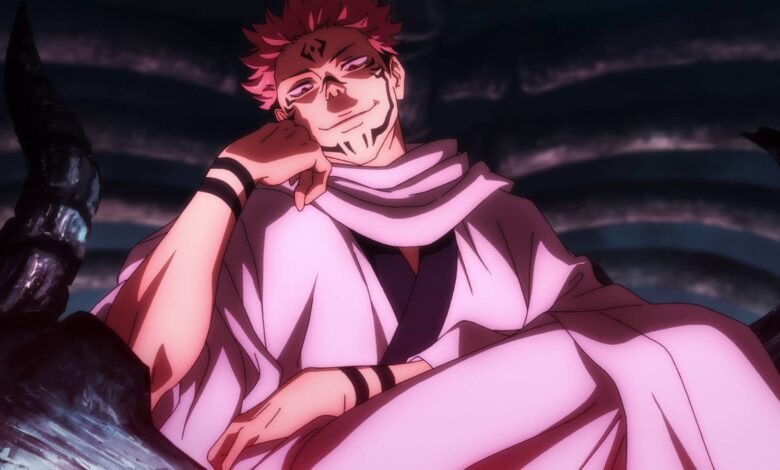
Ryomen Sukuna se présente comme une force de la nature dans l’anime moderne, terrorisant les sorciers avec des techniques de coupe, une maîtrise de l’expansion du domaine et une durabilité physique inégalée dans l’univers de Jujutsu Kaisen. Cependant, le multivers anime plus large abrite des antagonistes légendaires dont les capacités fonctionnent à des échelles qui rendent le simple découpage spatial trivial.
La comparaison de Sukuna avec ces figures légendaires démontre l’écart majeur entre les prouesses martiales localisées et la toute-puissance divine. Alors que Sukuna excelle dans la brutalité physique et le combat tactique jujutsu, ces cinq méchants animés maîtrisent des capacités qui contournent complètement la durabilité de base.
Dio peut arrêter et rembobiner le temps pour forcer Sukuna dans une boucle infinie

Alors que Sukuna s’appuie sur une vitesse immense et des techniques maudites pour vaincre ses adversaires, Dio Brando maîtrise une capacité qui réécrit complètement le déroulement du combat. Grâce à son Stand, connu sous le nom de The World, Dio peut arrêter instantanément le temps dans tout l’univers, figeant ainsi tous les mouvements, objets physiques et pensées de ses adversaires.
Durant ces secondes figées, Dio se déplace en toute liberté, plaçant des attaques ou des coups mortels précisément là où il veut sans aucune possibilité de défense ou d’évasion. La pure suprématie tactique du temps d’arrêt rend la durabilité physique traditionnelle et les barrières défensives presque inutiles.
L’expansion du domaine de Sukuna repose sur des attaques actives frappant des cibles physiques en temps réel, alors que Dio opère entièrement en dehors de ces limites temporelles. Un combattant pris dans le temps figé ne peut pas activer de contre-mesures, guérir avec une énergie inversée ou répondre aux attaques entrantes jusqu’à ce que le temps reprenne, auquel cas les dégâts ont déjà été infligés.
Au-delà de son Stand manipulateur du temps, Dio possède l’immortalité, une force vampirique surhumaine et une régénération instantanée de la chair qui lui permet de survivre à des dommages corporels catastrophiques. La combinaison d’une souveraineté temporelle absolue et d’une durabilité vampirique implacable fait de Dio un cauchemar idéologique et mécanique qui surpasse largement les capacités de combat physique et les extensions de domaine de Sukuna.
Beerus détruirait l’existence de Sukuna sans transpirer
-
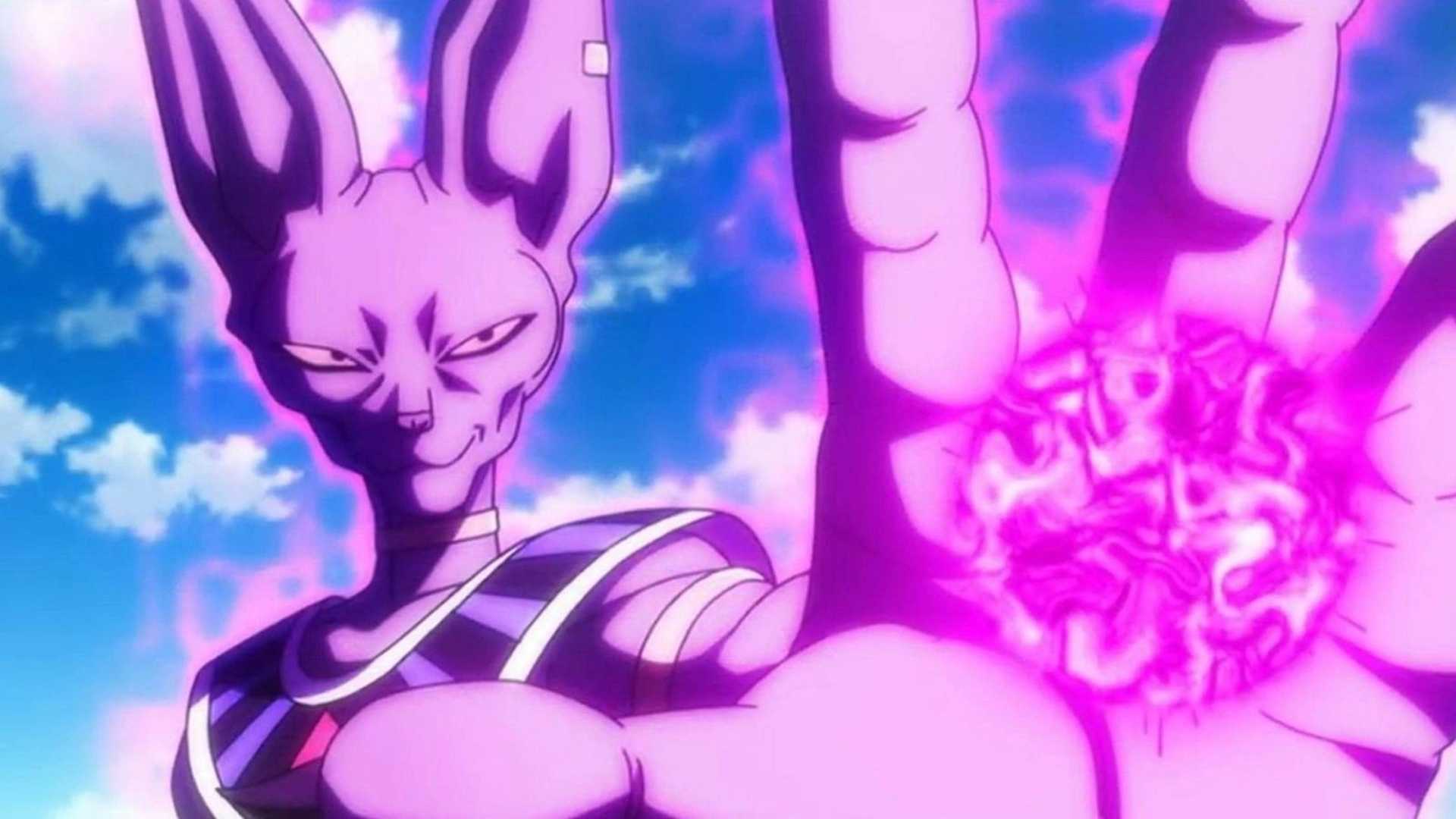 Image via Toei Animation
 -
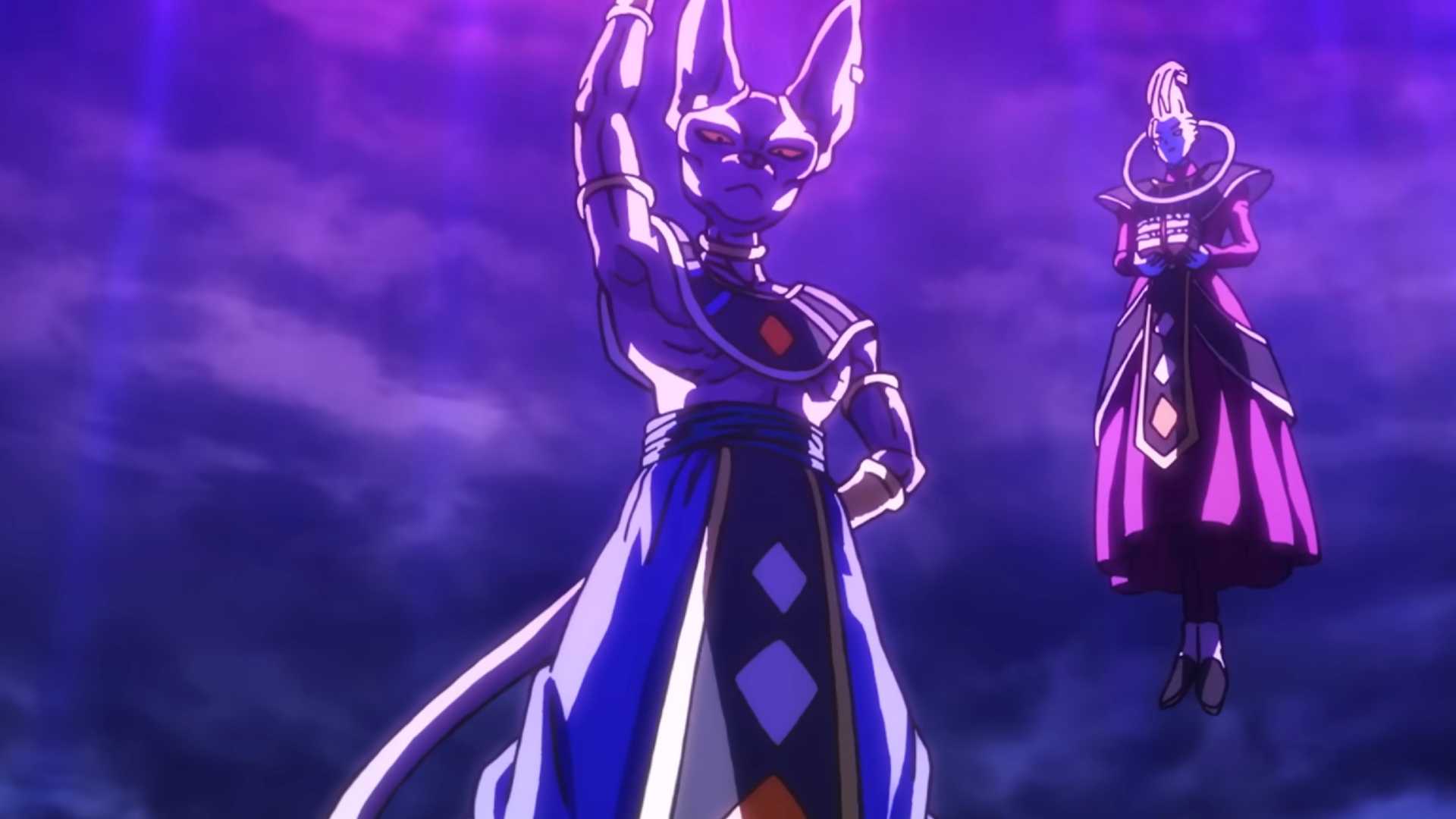 Image via Toei Animation
 -
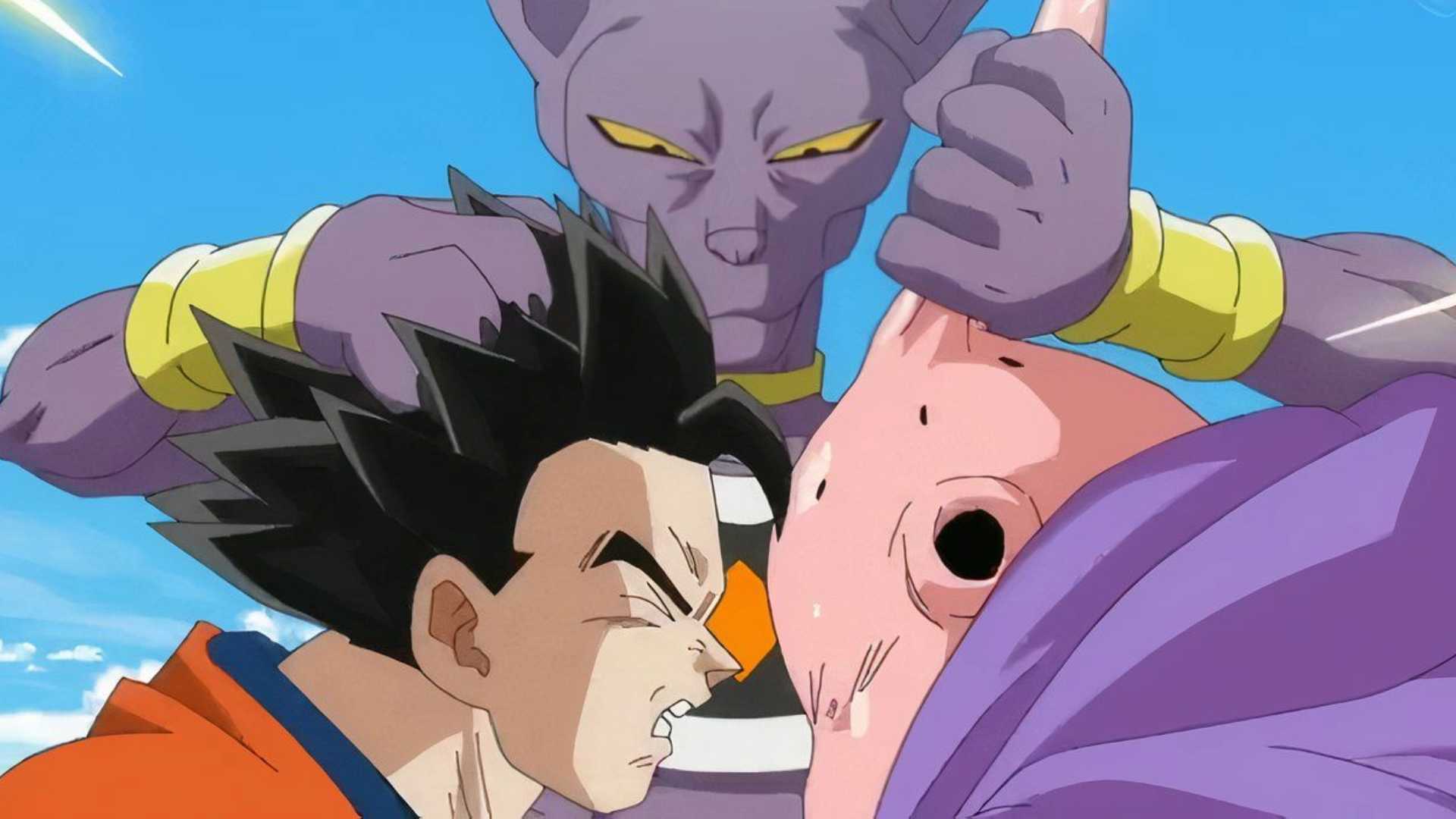 Image via Toei Animation
En tant que dieu de la destruction, Beerus opère à un niveau de puissance cosmique qui éclipse les menaces planétaires, sans parler des sorciers détruisant les villes. Son énergie physique à elle seule peut briser des planètes, déplacer des systèmes solaires et envoyer des ondes de choc à travers un univers entier.
Alors que la puissance maximale de Sukuna peut niveler des quartiers ou des villes à l’aide de flèches de flammes et de barres obliques de domaine, Beerus commande une énergie capable d’effacer des galaxies entières avec des mouvements occasionnels et une attitude insouciante. La preuve définitive de la supériorité de Beerus réside dans sa signature, Hakai.
Cette technique ne consiste pas simplement à brûler, écraser ou couper une cible comme la plupart des pouvoirs de Sukuna. Il efface complètement une âme et un corps de l’existence physique, contournant la durabilité physique, les barrières magiques et la régénération immortelle. Un adversaire ciblé par Hakai ne laisse aucun cadavre, esprit ou énergie résiduelle derrière lui, les effaçant efficacement du tissu de la réalité, pour ne plus jamais être revu.
Beerus s’est également entraîné sous Whis pour apprendre la technique dévastatrice de l’Ultra Instinct à un degré divin, ce qui permettrait à son corps de réagir automatiquement et d’esquiver les frappes physiques entrantes sans réflexion consciente. Sa combinaison de puissance physique mettant fin à l’univers, de mouvement automatique et d’effacement existentiel le place à des années-lumière de Sukuna.
L’épée de rupture de Gilgamesh surclasse l’épée de rupture et le démantèlement de Sukuna

Connu comme le roi des héros, Gilgamesh détient les prototypes originaux de tous les fantasmes nobles, artefacts magiques et armes jamais créés dans l’histoire de l’humanité. Son système d’arme principal, Gate of Babylon, lui permet d’ouvrir des centaines de portails dorés dans les airs, faisant pleuvoir simultanément un barrage sans fin d’armes divines.
Plutôt que de s’appuyer sur un seul mouvement de signature, Gilgamesh peut adapter son assaut pour exploiter toute faiblesse spécifique que possède un ennemi, faisant de lui le dirigeant indéniable du pays. Destin/Rester la nuit univers. Les attaques de Sukuna reposent sur un contact physique spatial, mais Gilgamesh possède des armes spécialement conçues pour percer les barrières spatiales, ignorer les armures et neutraliser les forces surnaturelles.
Son arsenal comprend des armes qui annulent la régénération, infligent des malédictions incurables et suivent automatiquement les cibles, plaçant Sukuna dans un combat où il ferait face à une surveillance et à des attaques constantes. Grâce à sa vision clairvoyante, Gilgamesh peut analyser instantanément les capacités d’un adversaire et sélectionner la contre-arme exacte requise pour l’arrêter complètement.
L’arme ultime de Gilgamesh, l’épée de rupture Ea, élève son pouvoir à des hauteurs déformant la réalité. Lorsqu’il est déchaîné, Ea ne se contente pas de couper la matière physique ou d’attaquer un être individuel. Il déchire l’espace, l’atmosphère et la conception même du monde. L’ampleur d’Enuma Elish rend les techniques défensives traditionnelles complètement inutiles, effaçant des paysages entiers et des dimensions spatiales en une seule activation et transformant ce combat en une affaire embarrassante et unilatérale.
La manipulation de Yhwach sur les délais rend les pouvoirs de Sukuna dénués de sens
-
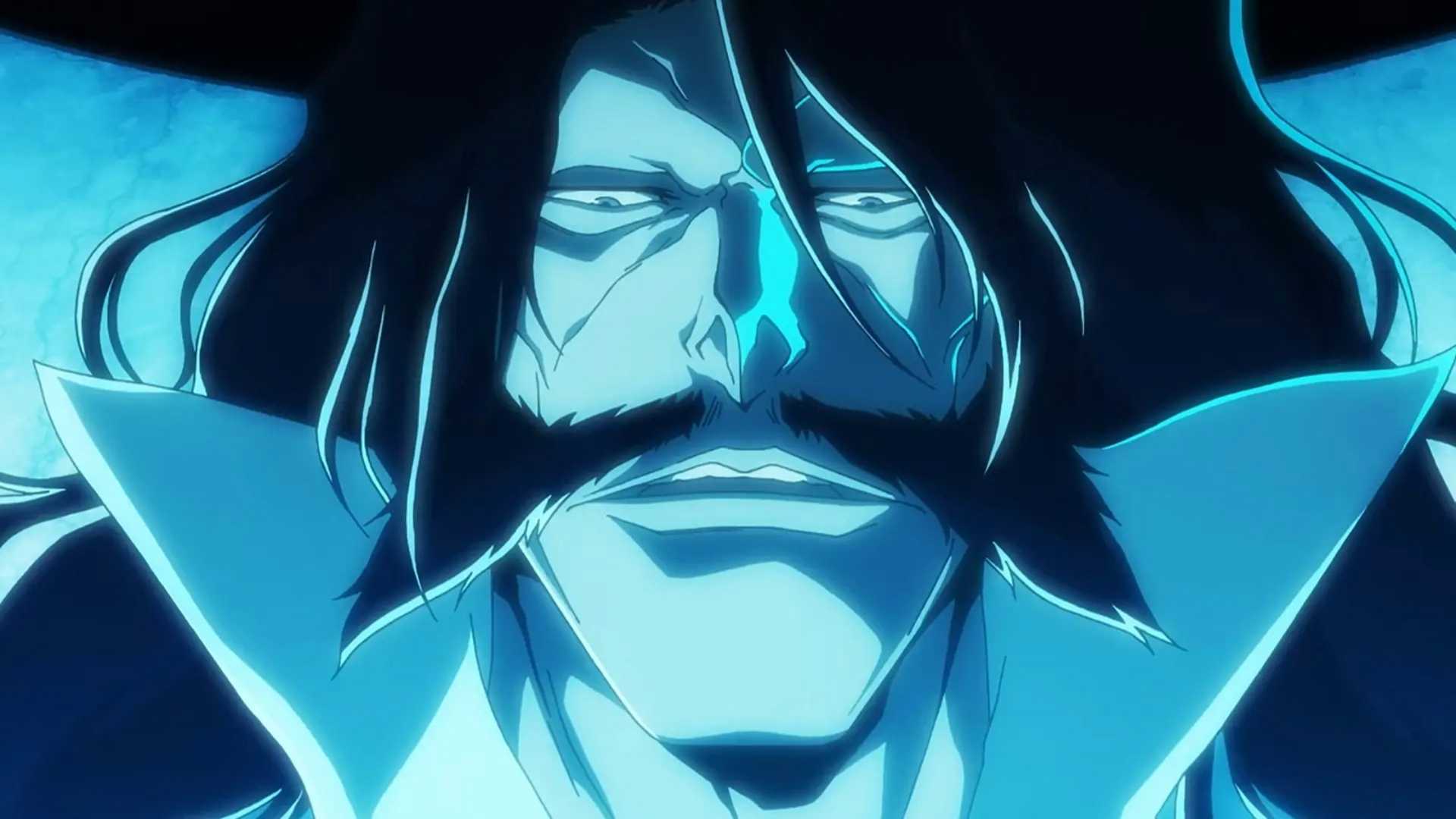 Image via Studio Pierrot
 -
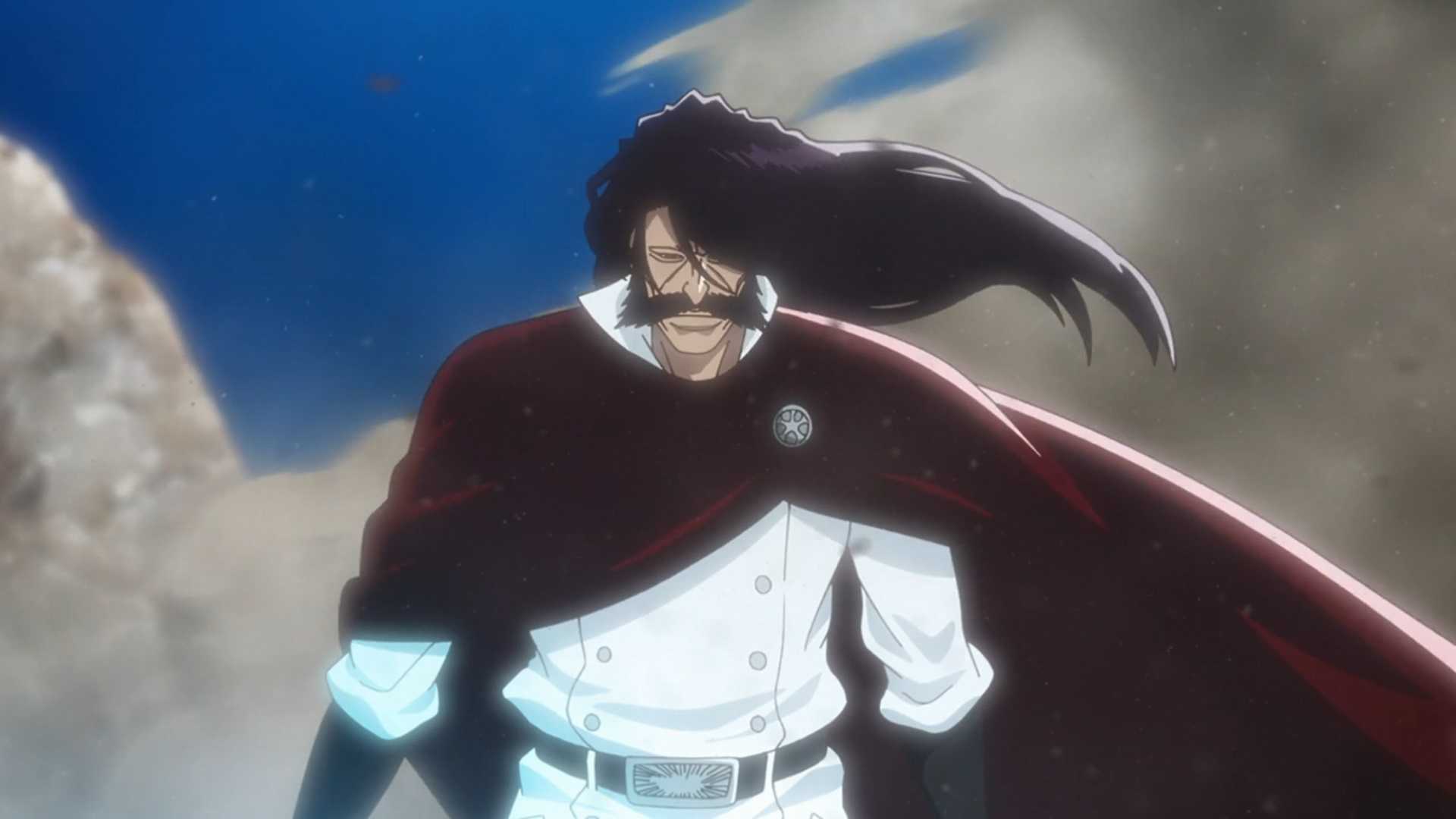 Image via Pierrot
 -
 Image via Studio Pierrot

En tant que père du Quincy et fils du Soul King, Yhwach possède un pouvoir si fondamentalement brisé qu’il banalise pratiquement tous les systèmes de combat de n’importe quel univers anime. Sa capacité caractéristique, connue sous le nom de Le Tout-Puissant, lui permet d’examiner simultanément toutes les chronologies futures possibles comme des grains de sable.
Il ne se contente pas d’observer ces voies futures, car il peut accéder aux lignes temporelles futures et les modifier en fonction de ses besoins tactiques du moment présent, rendant toute attaque à laquelle il est confronté complètement inutile. Cette manipulation temporelle permet à Yhwach de réécrire les futurs où il meurt, se ressuscitant instantanément ou modifiant les attaques d’un adversaire avant même qu’elles ne soient exécutées.
Si un mouvement est utilisé contre lui dans une chronologie future, il le comprend automatiquement et devient complètement immunisé contre ses effets. Les techniques d’expansion de domaine ou de slashing de Sukuna seraient tout simplement rendues inutiles car Yhwach réécrirait l’avenir pour garantir que l’attaque ne causera aucun dommage et que les extensions de domaine n’existeront jamais.
En plus de modifier les délais, Yhwach peut absorber les pouvoirs, les âmes et la force vitale de toute personne de son choix grâce à sa capacité Sankt Altar. Après avoir absorbé le Soul King, sa pression spirituelle est devenue suffisamment grande pour maintenir ensemble trois dimensions distinctes, menaçant de faire sombrer la réalité dans un état de chaos brut. S’il choisissait d’absorber les pouvoirs de Sukuna, il deviendrait ainsi indéfiniment plus fort.
Le statut de Hao Asakura en tant que roi chaman place Sukuna dans une situation impossible à gagner

Hao Asakura représente une force spirituelle immortelle qui a passé mille ans à se réincarner pour maîtriser les secrets du pouvoir chamanique et de la manipulation de l’âme. Dans sa forme de base, son esprit de feu peut incinérer des armées entières avec la chaleur du plasma qui vaporise la matière physique en quelques millisecondes, le plaçant déjà sur un pied d’égalité avec Sukuna.
Son pouvoir atteint son apogée lorsqu’il fusionne avec le Grand Esprit, la conscience collective de toute la vie et de l’énergie spirituelle à travers l’univers. En devenant le roi chaman, Hao acquiert la toute-puissance totale sur les royaumes spirituel et physique. Il peut manifester des étoiles miniatures, déclencher des éruptions solaires, créer des trous noirs et modifier les lois fondamentales de la nature avec de simples pensées.
Les mécanismes énergétiques maudits de Sukuna opèrent dans des limites physiques strictes, tandis que Hao peut simplement effacer une âme de l’existence ou modifier la réalité dans des systèmes stellaires entiers, le plaçant sur un terrain de jeu totalement différent que Sukuna ne peut pas toucher. Le contrôle de Hao sur la vie et la mort est complet et sans effort, faisant de lui une force destructrice qui régnerait sur le monde. Jujutsu Kaisen univers.
Il peut absorber les âmes, ressusciter les morts indéfiniment et manipuler à volonté le cycle cosmique de la réincarnation. Contre une entité qui contrôle l’énergie totale de l’univers et contrôle la destination de chaque âme, les techniques de coupe physique et les expansions de domaines localisées deviennent totalement hors de propos.