The US start-up Overview Energy wants to beam solar energy from space to Earth. The goal is to transmit sunlight to large solar farms so that they can generate electricity around the clock.
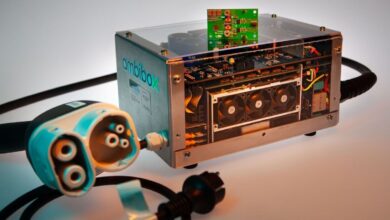
According to an official statement, Overview Energy claims to have succeeded in transmitting energy from a flying aircraft to a receiver on the ground. A special system is intended to set high-performance radio energy in motion over a distance of five kilometers.
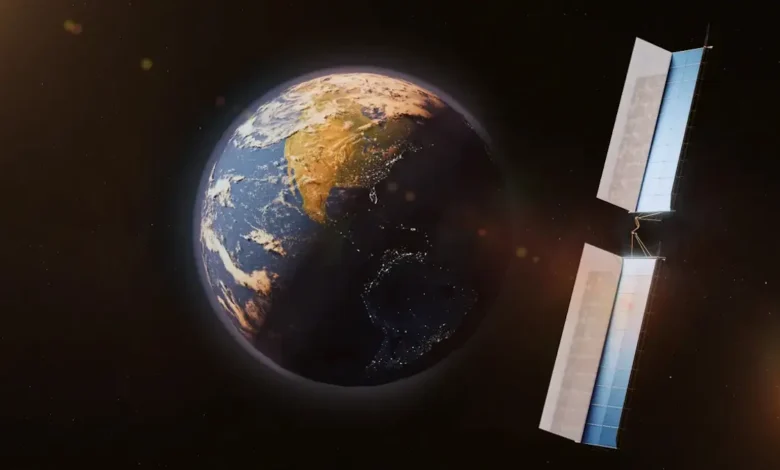
The fluctuating availability of solar and wind energy is considered one of the biggest challenges facing renewables. The Overview Energy system is therefore intended to collect sunlight around the clock via satellites in geosynchronous orbit in order to send it to Earth. The aim is to use wavelengths that have already been tested in fiber optic and medical technology.
Solar energy from space
The Overview Energy system consists of lasers, special optics and precise control that should remain stable even during dynamic movements. The company wants to flexibly direct energy to the places where it is needed. Examples include large data centers or existing solar parks on Earth.
This method is intended to make solar power a base-load resource that can also provide electricity at night. Because the receiving stations on the ground can use existing infrastructure, Overview Energy says there is no need for a massive redesign of the power grid. This makes the technology an efficient solution for the increasing energy needs of modern industries.
Future plans for orbit
Founded in 2022, the company has already raised $20 million in investments to realize its vision. The next big step is planned for 2028. A demonstration in low Earth orbit will then prove that the system is fully functional.
Overview Energy plans to begin commercial operations in geosynchronous orbit in 2030. The aim is the world’s first megawatt transmission from space. This could begin a new era of clean energy supply that works regardless of weather conditions or time of day on the earth’s surface.
Also interesting: