

At the beginning of April this year, two photos landed in our inbox and on Linkedin. They show the Lilium jet. Not flying, not in a hall, but on the ground – in front of the abandoned Lilium halls in Oberpfaffenhofen. In the first photo you can see the arm of a small orange excavator reaching into the roof of the jet. The cockpit is torn open, there are cables everywhere that lead to nowhere. Another just shows the broken Lilium jet. They were scrapped.
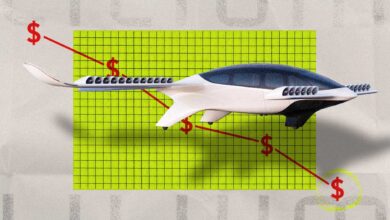
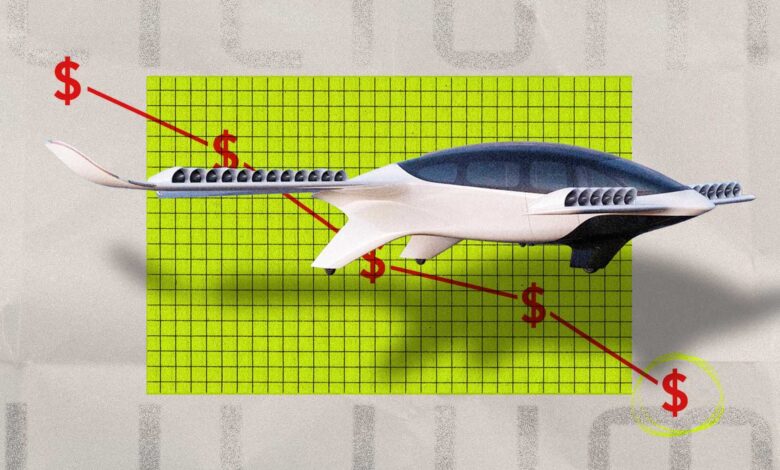
Lilium once wanted to change air traffic and connect regional cities and villages with electric vertical takeoff aircraft, so-called eVTOLS. Investors such as the Chinese tech group Tencent invested more than $1.5 billion in the company.
Audio player not available
In order to display embedded audio content, your consent to the processing of personal data is required, which you can revoke at any time (via the switch or via “Revocation tracking and cookies” at the bottom of the page). Data can be transferred to third countries such as the USA (Art. 49 Para. 1 lit. a GDPR). By switching to “on” you agree. You can find further information in our data protection declaration.
Lilium had to file for bankruptcy
In October 2024, Klaus Roewe, ex-CEO of Lilium, filed for self-administration bankruptcy. Previously, a state-backed loan of 100 million euros had not come about, to which, according to Lilium, additional investor money in the three-digit million range was tied. The self-management gave the startup three months to find new investors.
There was continued optimism among the Lilium workforce during this time. The teams continued to work on the jets. In an interview with Gründerszene, manager Christian Pfitzner remembers the mood at the time: “I think if you had said, we would put the boxes here for you and put them together free of charge, I would have found at least 20 people who would have done it.”