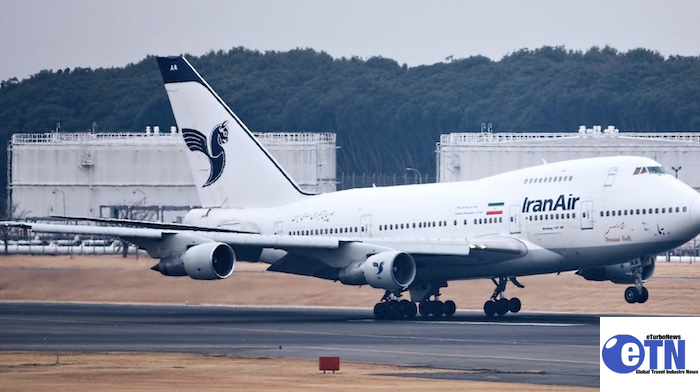
Iran has resumed commercial flights from Imam Khomeini International Airport after weeks of conflict, signaling a fragile return to civilian aviation. While hubs like Dubai and Doha remain stable, Tehran’s reopening raises questions about whether regional powers are moving toward normalization—or simply pausing escalation.
Tehran, Iran – In a significant step toward restoring civilian connectivity, Iran has officially resumed commercial flight operations from Tehran’s main international gateway following weeks of conflict-related shutdowns.
The reopening of Imam Khomeini International Airport to commercial flights is being closely watched across the Gulf, as aviation stakeholders weigh whether this marks recovery or renewed risk.
After two nearly months of war-related shutdowns, Iran has resumed international flights under a fragile ceasefire, with initial routes to Istanbul, Muscat, and Medina.
A cautious return to the skies
The reopening follows a fragile ceasefire after two nearly months of escalating tensions involving Iran, Israel, and US forces. During the conflict, Iranian airspace was deemed unsafe, forcing airlines worldwide to reroute or cancel flights across one of the world’s most strategically important corridors.
The restart is part of a phased reopening of Iranian airspace following one of the largest aviation disruptions in recent yearswhich saw thousands of flights canceled and major hubs temporarily paralyzed.
Aviation analysts say the restart of flights is a critical confidence signal—not only for passengers, but also for insurers, regulators, and international carriers.
“Civil aviation is always one of the last sectors to reopen in a conflict—and one of the first to shut down again if instability returns,” a regional aviation expert noted.
Regional comparison: uneven skies across the Middle East
While Tehran cautiously re-enters the global aviation network, other major hubs in the region present a mixed picture:
Tel Aviv: Operating under pressure
At Ben Gurion Airportoperations have continued throughout the conflict—but under intense security constraints. Flight schedules remain limited, with periodic suspensions tied to security developments.
Dubai: Business as usual
By contrast, Dubai International Airport has maintained its role as the region’s primary global hubabsorbing rerouted traffic and continuing near-normal operations.
Abu Dhabi: Strategic stability
Zayed International Airport has remained fully operational, reinforcing the UAE’s position as a safe and stable aviation corridor.
Doha: Regional connector rebounds
At Hamad International Airportoperations have normalized after earlier disruptions, with Qatar Airways helping reconnect regional and long-haul routes.
Aviation as a barometer of peace
Iran’s return to commercial aviation raises a broader industry question:
Does the reopening of Tehran signal a shift toward normalization—or merely a pause in hostilities?
In aviation terms, reopening airspace requires:
- Confidence that Civilian aircraft will not be targeted
- Coordination—formal or informal—between military actors
- Insurance and regulatory approval for safe operations
The fact that flights are resuming suggests at least a temporary alignment of interests in protecting international aviation.
However, experts warned that:
- The ceasefire remains tenuous
- Airspace closures can be reinstated within hours
- Airlines may adopt a wait and see approach before fully restoring schedules
Industry implications
For the global travel and tourism industry, Tehran’s reopening could:
- Shorten flight routes between Europe and Asia
- Reduce congestion in Gulf hubs like Dubai and Doha
- Restore limited tourism and business travel into Iran
Yet, most international carriers are expected to delay full re-entry until stability proves durable.
eTurboNews perspective
In the world of travel, Airports reopening after conflict often signal more than logistics—they reflect political intent.
Tehran’s return to the skies may indicate that all parties—at least for now—recognize the importance of safeguarding civilian aviation. But whether these marks the beginning of lasting normalization or simply a tactical pause remains unclear.
A question for the industry
Is Iran’s move to reopen Tehran to commercial flights evidence that all sides are beginning to respect international aviation norms again—or just a temporary adjustment in an unpredictable conflict?
The answer will likely determine not only the future of regional air travel—but also the confidence of a global industry watching closely.