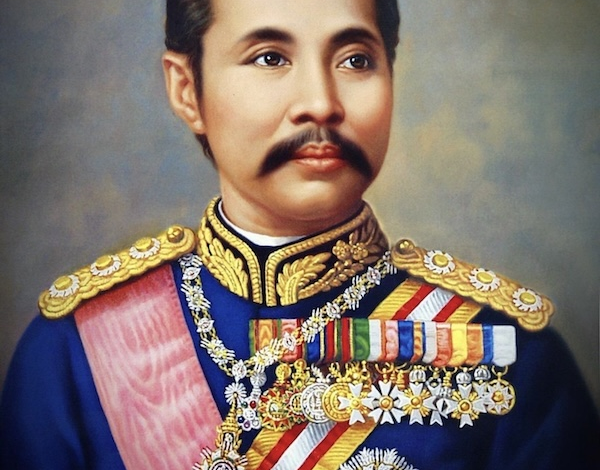
King Chulalongkorn transformed Siam through sweeping reforms that not only secured independence but quietly laid the groundwork for Thailand’s tourism industry. From railways to diplomacy, his vision opened the kingdom to the world, shaping its evolution into one of today’s most captivating travel destinations.
Thailand – The reign of King Chulalongkorn (1868–1910) stands as one of the most pivotal chapters in Thai history. Often revered as the “Father of Modern Thailand,” he reshaped Siam into a modern, sovereign nation at a time when much of Southeast Asia fell under colonial rule. Yet beyond governance and diplomacy, his legacy quietly laid the foundations for something less obvious—but equally enduring: Thailand’s emergence as a global travel destination.
Reforming a Kingdom, Opening a Nation
King Chulalongkorn’s modernization program was sweeping and strategic. His gradual abolition of slavery and forced labor transformed the social fabric while maintaining stability. Administrative reforms replaced the old feudal order with centralized ministries, creating a modern state capable of governing efficiently and cohesively.
Legal reforms followed, introducing codified laws and modern courts that signaled to Western powers that Siam was a civilized and sovereign nation. These changes were not merely internal—they were part of a broader diplomatic strategy to secure international respect and independence.
But modernization did not stop at institutions. It physically extends across the landscape.
Infrastructure and the Birth of Mobility
Railways, introduced for the first time under his reign, connected Bangkok with regional centers, transforming how people moved across the kingdom. Roads, telegraph lines, and postal services followed, weaving together a once-fragmented territory into a connected nation.
These developments were revolutionary—not just economically, but culturally. For the first time, movement within Siam became accessible and predictable. Local travel increased, regional identities began to intermingle, and the concept of journeying for purposes beyond trade or necessity quietly took root.
In essence, the infrastructure that fueled modernization also enabled early forms of domestic tourism.
Early Encounters: Siam Meets the World
Long before mass tourism, Siam intrigued foreign visitors—diplomats, traders, missionaries, and explorers drawn by its independence and cultural richness. Bangkok, with landmarks such as the Grand Palace, became a focal point of fascination.
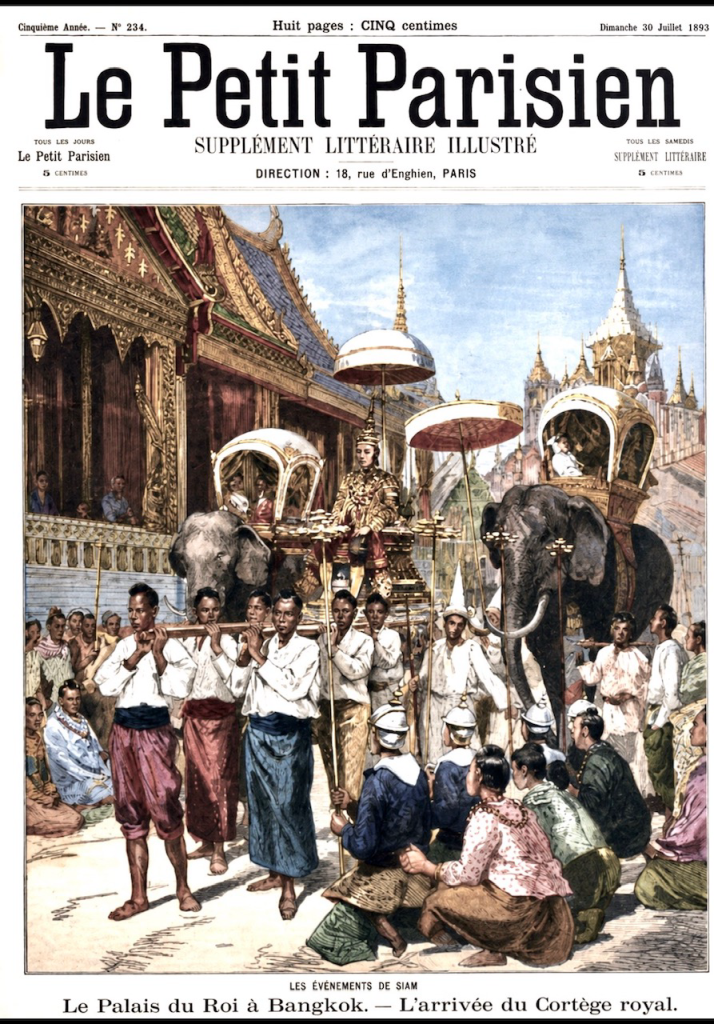
Unlike neighboring territories under colonial administration, Siam offered something rare: an encounter with an independent Asian kingdom adapting modernity on its own terms. This distinction made it uniquely appealing to Western observers.
King Chulalongkorn himself played a direct role shaping in this perception. His historic travels to Europe—the first by a Siamese monarch—were not only diplomatic missions but also acts of cultural exchange. They introduced Siam to the world stage and, in return, brought global awareness back home.
These exchanges planted the earliest seeds of international curiosity about Siam as a destination.
Education, Exchange, and Cultural Openness
The king’s investment in education further accelerated this openness. By sending students abroad and adopting Western-style schooling, he cultivated a generation fluent in global ideas and practices.
This cultural fluency made Siam more accessible to outsiders. Language barriers softened, administrative systems became more familiar to foreigners, and the kingdom began to feel less distant and more navigable.
Such shifts, subtle at the time, were essential preconditions for tourism.
From Royal Vision to Tourism Foundations
By the early 20th century, the building blocks of tourism were already in place. Improved transport enabled travel routes; diplomatic openness encouraged visitation; and cultural curiosity drew interest.
Early hospitality venues—most notably the historic Mandarin Oriental Bangkok—began welcoming foreign guests, including writers, diplomats, and adventurers. River journeys along the Chao Phraya, visits to ancient sites like Ayutthaya, and explorations of Bangkok’s temples became part of the early travel experience.

The official website of Tourism Authority of Thailand
The official site of Tourism Authority of Thailand. Amazing Thailand, Travel information, Travel guide, maps, hotels, accommodation, attractions, events & festivals, food, culture, shopping information to help you plan your Thailand vacations.
Though tourism had not yet evolved into an industry, its spirit was unmistakably present.
A Legacy Beyond His Time
More than a century later, Thailand stands as one of the world’s most visited destinations. This success is often attributed to its culture, cuisine, and natural beauty—but its deeper roots trace back to the reforms of King Chulalongkorn.
His vision created a nation that was connected, open, and confident in its identity—qualities essential for any country welcoming the world.
King Chulalongkorn was not only a reformer and diplomat. He was, in many ways, the quiet architect of Thailand’s journey from a secluded kingdom to a global crossroads.
His legacy lives on not just in institutions or infrastructure, but in every traveler who steps onto Thai soil.