In the wake of Hurricane Melissa, Jamaica did more than rebuild—it reached across oceans, carried by the voices of its people. From distant cities to home shores, hope traveled faster than fear, reminding the world that Jamaica is not just a place, but a spirit that rises, together, every time.
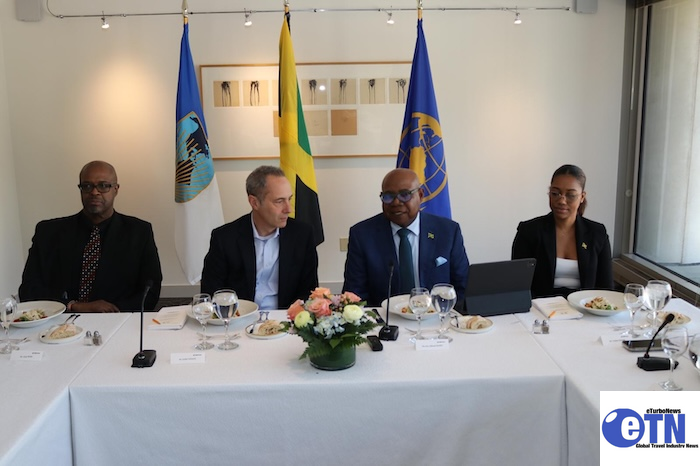
WASHINGTON— Yesterdayon a mild spring Tuesday evening in Washington, DC, inside the Embassy of Jamaica, the mood was not one of recovery, but of momentum.
Less than half a year later Hurricane Melissa goals across parts of the island—disrupting infrastructure, displacing communities, and threatening the backbone of its economy—Jamaica has posted a milestone few disaster-stricken nations achieve so quickly: more than one million visitors in the first quarter of 2026generating $956 million in foreign exchange earnings.
For a country so deeply tied to tourism, the figures are not merely encouraging. They are, in the words of Edmund Bartlett, “resilience in action.”
The Fragility Beneath the Numbers
Tourism accounts for a substantial share of Jamaica’s economy—directly and indirectly supporting hundreds of thousands of jobs. A major disruption, especially at the height of peak travel season, can ripple across every sector, from transportation to agriculture.
When Hurricane Melissa struck, early projections were grim. Hotel closures, flight disruptions, and global media coverage risked creating a familiar pattern: cancellations, hesitation, and a prolonged dip in arrivals.
That pattern never fully materialized.
Instead, Jamaica experienced something closer to a compression of crisis—a shortened period of disruption followed by an unexpectedly rapid rebound.
A Recovery Written Beyond Its Shores
At the embassy gathering, Mr. Bartlett pointed not only to government response or private-sector agility, but to a less visible force: the Jamaican diaspora.
In the Washington metropolitan area alone, more than 38,000 Jamaicans live and work. Across the United States, Canada, and the United Kingdom, the diaspora forms a vast and interconnected network—one that, in moments of crisis, becomes a powerful communications engine.
“Before a traveler ever books a ticket,” Mr. Bartlett told the audience, “they often hear about Jamaica through you.”
In the days and weeks after the hurricane, members of the diaspora took to social media, phone calls, and personal networks, offering reassurance, correcting exaggerated reports of damage, and, in some cases, actively encouraging travel.
Their message was simple: Jamaica was open.
The Battle Over Perception
The episode underscores a shift that tourism officials worldwide are only beginning to fully grasp: recovery is no longer determined solely by physical rebuilding, but by reputational repair.
Mr. Bartlett, along with Lloyd Waller, explores this idea in his recent book, Destination Reputational Resilience. The premise is that in a hyperconnected world, perception can outpace reality—both in damage and in recovery.
A single viral image of destruction can deter travelers for months. Conversely, a steady stream of positive, credible voices can accelerate confidence.
In Jamaica’s case, the diaspora became a kind of decentralized public relations network—one that no official campaign could easily replicate.
Infrastructure and intention
To attribute the rebound solely to perception, however, would be incomplete.
Behind the scenes, Jamaican authorities and private operators moved quickly to restore key infrastructure:
- Major airports resumed operations within days
- Hotels prioritized rapid repairs and reopening
- Transportation networks were stabilized to ensure visitor mobility
Tourism stakeholders, from resort owners to small business operators, coordinated closely with government agencies to project a consistent message: the island was ready to receive visitors.
That alignment proved critical. Inconsistent messaging, tourism experts note, can prolong uncertainty far more than actual damage.
A New Model for a Warming World
Jamaica’s experience is likely to resonate far beyond the Caribbean.
As climate change intensifies storms and increases their frequency, tourism-dependent nations face a growing challenge: how to remain viable destinations in an era of recurring disruption.
What Jamaica has demonstrated is a possible model:
- Speed of recovery matters
- Clarity of communication matters more
- Trusted voices may matter most of all
The concept of “tourism resilience,” once a policy term, is beginning to take on the characteristics of a national identity.
The Meaning of “Coming Home”
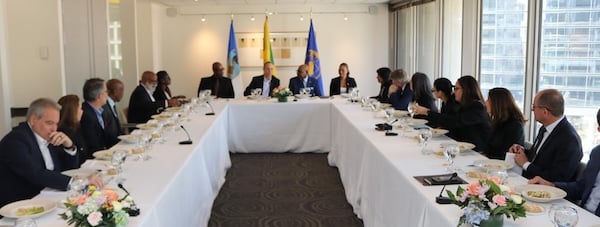
For many in the embassy audience, the minister’s remarks carried a personal dimension.
His closing appeal—urging Jamaicans abroad not only to promote the country, but to return—reflected a deeper truth about diaspora communities: their relationship to tourism is not purely economic. It’s emotional.
Visits are reunions. Recommendations are acts of pride. Advocacy is, in many cases, an extension of identity.
Beyond the Quarter
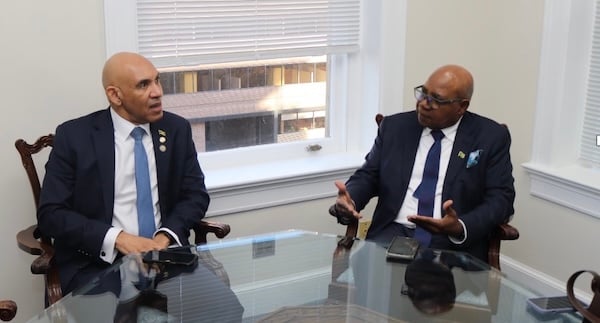
Whether Jamaica’s strong first quarter will translate into sustained growth over the rest of 2026 remains an open question. Global economic uncertainty, airfare costs, and the unpredictability of future weather events all linger.
But the early signal is clear.
At a moment that could have defined the country by disruption, Jamaica has instead redefined itself through response.
Not as a destination that avoided crisis—
but as one that moved through it with unusual speed and cohesion.
And in doing so, it has offered a lesson increasingly relevant to the rest of the world:
Resilience, when it is visible and shared, can be as powerful as the sun and sand that first drew travelers there.
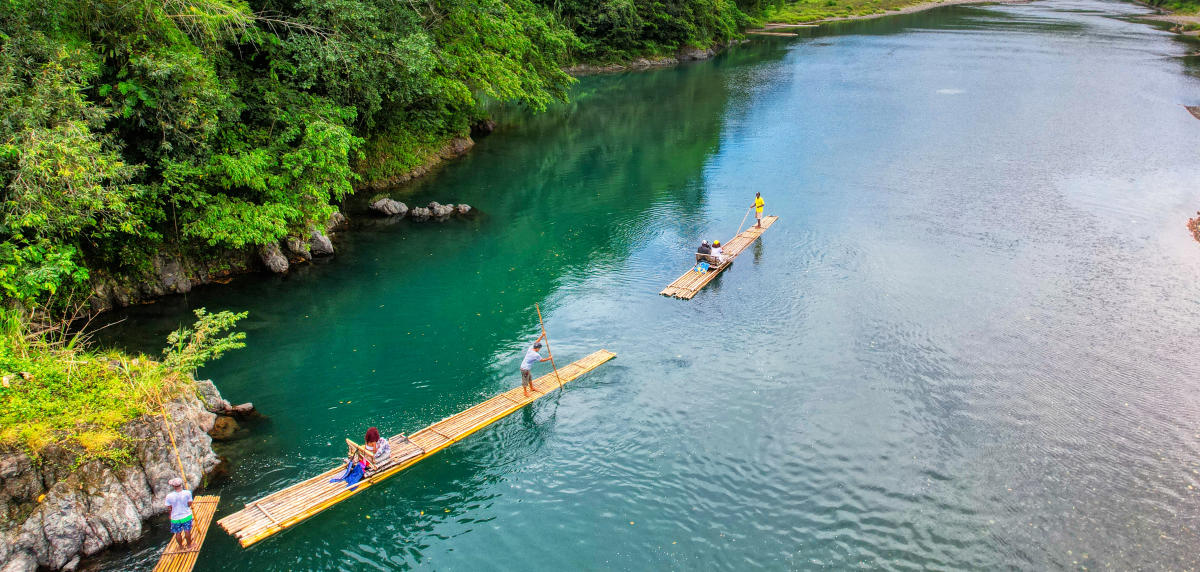
Visit Jamaica | The best music, food, vistas and vibes for your perfect vacation
Discover the beauty of Jamaica with its fascinating culture, stunning beaches and lush landscapes. Experience our warm Jamaican hospitality, vibrant reggae music, sumptuous cuisine, thrilling adventures and good vibes all around. Plan your perfect Jamaican vacation now and come back to your best self in Jamaica.