Egypt’s tourism momentum extends far beyond another Hurghada resort. By maintaining political stability, expanding direct European air access, attracting global tourism leaders, and combining Red Sea beaches with world-famous heritage, the country has positioned itself as one of the Mediterranean’s most resilient and attractive year-round destinations.
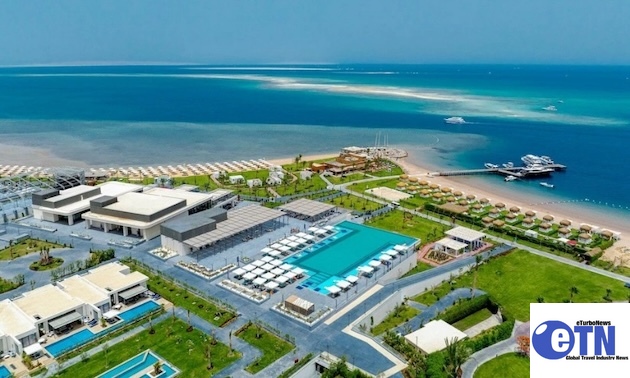
The announcement of another major Red Sea hotel—a new 442-room Rixos resort in Hurghada aimed at Britain’s booming winter-sun market—could easily be dismissed as just another investment story. Yet focusing only on hotel openings misses the bigger picture.
Egypt’s tourism success in 2025 and 2026 has become less about adding rooms and more about navigating an increasingly complicated world. While conflicts have disrupted travel across parts of the Middle East, airlines have rerouted networks, and travelers have become more cautious about geopolitical risks, Egypt has quietly positioned itself as one of the region’s safest bets for international tourism.
The strategy extends well beyond beaches.
A Country That Stayed Open
Unlike destinations whose tourism sectors depend heavily on connections through Gulf mega-hubs, Egypt benefits from an unusually diversified aviation network.
Hurghada, Sharm El Sheikh, Marsa Alam and Cairo receive hundreds of direct charter and scheduled flights from Europe, allowing millions of tourists to bypass congested regional transfer airports altogether. That matters when travelers increasingly value certainty as much as price.
For European tour operators, especially those serving Britain, Germany, Poland, the Czech Republic and Scandinavia, Egypt has become one of the few destinations offering reliable year-round sunshine within four to five hours of flight time.
Industry executives say this resilience has made Egypt less vulnerable to disruptions affecting Gulf aviation routes while strengthening its position as Europe’s winter playground.
Diplomacy Through Moderation
Tourism officials are careful not to describe Egypt’s success as the result of regional conflicts.
Instead, they point to something less dramatic but equally important: continuity.
Throughout recent international crises, Egypt has largely maintained its role as a moderate regional actor, avoiding direct involvement in escalating conflicts while keeping airports, ports and tourism infrastructure functioning normally.
That stability has become a valuable tourism asset.
Visitors booking holidays months in advance increasingly look for destinations where political uncertainty is unlikely to affect flights, insurance or hotel operations.
More Than Hotels
Perhaps the strongest signal of Egypt’s growing confidence came not from another resort announcement but from hosting senior leaders of the global tourism industry.
Earlier this year, members of the World Travel & Tourism Council gathered aboard a cruise ship transiting the Suez Canal for the organization’s first Recovery & Leadership Cruise, bringing together ministers, former heads of government, CEOs and investors to discuss the future of global tourism. The event highlighted Egypt not merely as a destination but as a convening platform for international travel leadership.
The symbolism was difficult to ignore.
Instead of showcasing another luxury hotel ballroom, Egypt turned one of the world’s most strategic waterways into a floating conference venue.
Hurghada’s New Phase
Walk through Hurghada today and the city feels different from a decade ago.
Growth continues, but increasingly through expanding districts, upgraded marinas, promenades, museums, restaurants and infrastructure rather than simply filling the coastline with identical all-inclusive resorts.
Developers are investing in mixed-use communities, higher-end hospitality and experiences extending beyond the traditional beach holiday.
Visitors now combine diving with desert excursions, day trips to Luxor, marina dining, wellness tourism and cultural attractions that did not exist twenty years ago.
The city is gradually evolving from a package holiday destination into a broader tourism ecosystem.
Who Is Visiting Egypt?
The traditional European markets remain dominant.
British visitors continue to flock to Egypt during winter in search of sunshine unavailable at home.
Germany remains one of Egypt’s largest and most loyal source markets, particularly for diving holidays.
Polish arrivals have surged rapidly, supported by expanding airline capacity and competitive package holidays.
Czech, Slovak, Romanian and Hungarian travelers have also become increasingly important, reflecting Central Europe’s growing appetite for affordable Red Sea vacations.
Meanwhile, domestic tourism has become an increasingly important stabilizer during seasonal fluctuations.
Why Travelers Choose Egypt Today
Price remains part of the equation, but it is no longer the entire story.
Interviews with tour operators suggest several themes consistently emerge:
- Guaranteed sunshine throughout the year.
- Short direct flights from Europe.
- Excellent value compared with Mediterranean competitors.
- World-class diving and snorkeling.
- A unique combination of beach holidays and ancient civilization.
- A perception of operational stability despite regional uncertainty.
Unlike destinations offering either culture or beaches, Egypt provides both.
A visitor can spend one day exploring coral reefs and another standing before temples that are thousands of years old.
Few competitors can offer that combination.
The Challenge Ahead
Success also brings responsibility.
Rapid tourism growth has placed increasing pressure on Red Sea coral reefs, water resources and coastal ecosystems. Conservationists continue to warn that sustainable development must keep pace with visitor numbers if Egypt wishes to preserve the very assets attracting international tourists.
Future competitiveness may depend less on building the next hotel and more on protecting what already exists.
Looking Beyond the Headlines
The newest 442-room resort in Hurghada may capture headlines, but it is only one piece of a much larger story.
Egypt’s tourism industry has demonstrated that resilience is not built solely through construction.
It is built through diversified air access, pragmatic diplomacy, infrastructure investment, international partnerships, and a tourism product capable of appealing to families, diverse, history enthusiasts and luxury travelers alike.