New attacks by Iran-backed Houthis against Saudi Arabia are raising questions for millions of tourists planning Red Sea holidays. eTurboNews examines what is really at risk—from Jeddah International Airport to NEOM, AMAALA, Hurghada and Sharm El Sheikh.
As fighting between Saudi Arabia and Yemen’s Iran-backed Houthi movement has intensified again, many travelers are asking whether vacations along the Red Sea remain safe.
The renewed military exchanges—including Saudi airstrikes against Houthi targets in Yemen and Houthi missile and drone attacks aimed at Saudi territory and Red Sea infrastructure—have generated dramatic headlines. Shipping companies are again being warned about operating near Saudi ports, while commercial maritime traffic through the Bab el-Mandeb Strait has slowed amid security concerns.
For the tourism industry, however, the picture is considerably more nuanced.
Saudi’s Red Sea Tourism Vision Continues
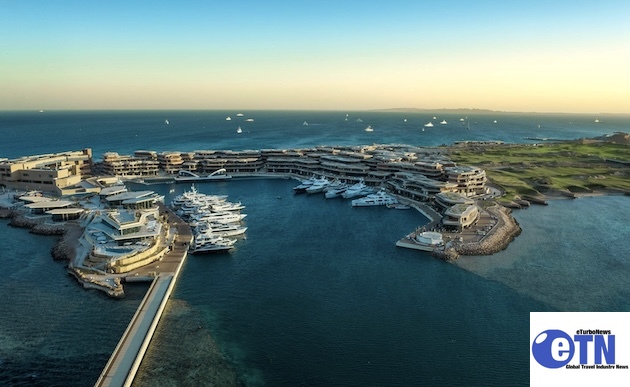
Saudi Arabia has invested tens of billions of dollars transforming its Red Sea coastline into one of the world’s newest luxury tourism destinations.
The flagship Red Sea destination, AMAALA, NEOM, Sindalah Islandand other high-end resorts continue welcoming international visitors. Most of these developments are located hundreds of kilometers north of Yemen and are geographically separated from the current military operations.
Tourism officials have not announced closures or evacuation measures for these resorts.
While Saudi authorities maintain one of the region’s most sophisticated air-defense systems, missile interceptions occasionally occur in southern regions of the Kingdom, particularly near Jizan and areas closer to the Yemeni border. The current escalation has also included attacks directed at Saudi oil facilities and maritime infrastructure along portions of the western coast.
Is Tourism Actually Being Targeted?
One of the biggest misconceptions arising from the latest headlines is that the entire Red Sea has become unsafe.
That is not what security experts are saying.
The Houthis have publicly declared that their campaign is directed against Saudi strategic infrastructure, ports, oil facilities and commercial shipping rather than tourism. Recent attacks have focused on Aramco facilities in Jizan and Yanbu, maritime traffic and shipping connected to Saudi ports. The latest Houthi declaration of a maritime blockade is aimed at commercial shipping rather than passenger tourism.
There is currently no evidence that luxury resorts or international tourists have become deliberate targets.
Aviation Analysis
Is Jeddah Airport Safe?
This is probably the single biggest question for international travelers.
King Abdulaziz International Airport in Jeddah continues normal commercial operations and remains Saudi Arabia’s principal gateway for both tourism and religious travel.
Western governments acknowledge an increased threat to Saudi infrastructure—including airports—but emphasize that the greatest risks remain closer to Yemen, particularly around Abha, Jizan and the southern border. They also warn that falling debris from intercepted missiles or drones is a potential hazard.
For now, airlines continue operating scheduled services to Jeddah, although flight routings may occasionally change because of military activity.
Egypt: Should Hurghada Be Concerned?

For Egypt’s tourism industry, the answer remains reassuring.
Hurghada, El Gouna, Soma Bay, Makadi Bay, Safaga, Marsa Alam and Sharm El Sheikh are geographically distant from the Saudi-Yemen conflict.
While the renewed tensions could affect some airline routings or cruise itineraries in the southern Red Sea, there is currently no indication that Egypt’s Red Sea resorts face a direct security threat from the latest escalation.
Most European tour operators continue selling package holidays to Egypt’s Red Sea coast without interruption.
What About Red Sea Cruises?
Cruise operators are monitoring developments more closely than hotel operators.
Ships sailing through Bab el-Mandeb may alter itineraries if security conditions deteriorate.
Cruises confined to the northern Red Sea generally face significantly less operational risk than vessels transiting the southern entrance near Yemen.
Travel Advisory Snapshot for the Red Sea
- United States: Exercise increased caution throughout Saudi Arabia; avoid the Yemen border.
- United Kingdom: Warns of renewed Houthi attacks against Saudi infrastructure, particularly in the south.
- Germany: Monitor official travel advice and airline updates.
- Canada: Exercise a high degree of caution due to regional tensions.
- Australia: Monitor security developments and official advisories.
Expert view
Aviation risk specialists generally distinguish between operational risk and destination risk. Operational risk means airlines, shipping companies and airports may modify routes, schedules or procedures.
Destination risk refers to the likelihood that tourists themselves become targets.
At present, the operational risk has increased significantly while destination risk at the major Red Sea resorts remains comparatively low.
eTurboNews Safety Analysis
Tourism is one of Saudi Arabia’s flagship economic sectors under Vision 2030.
An attack causing significant casualties among international visitors would likely trigger severe international political and economic consequences and could undermine years of investment in the Kingdom’s tourism strategy.
For that reason, analysts believe strategic infrastructure and maritime commerce remain more likely targets than luxury resorts.
Should Travelers Cancel their Red Sea Trip?
- Should travelers cancel their Red Sea vacation? At present, the answer is no.
- Should they ignore the headlines? So no.