

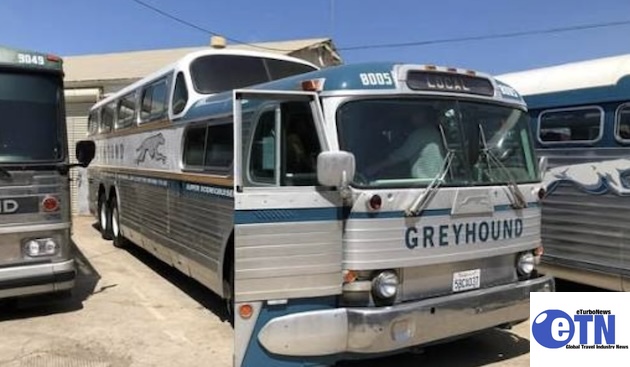
Greyhound helped shape American travel for more than a century, connecting cities, rural towns, and millions of passengers. Once the nation’s dominant intercity bus company, it has weathered decades of decline before reinventing itself under Flix ownership. This feature examines Greyhound’s remarkable history, current network, competition, and future in US transportation.
UNITED STATES – Few transportation brands are as deeply woven into the fabric of American travel as Greyhound. For more than a century, the iconic running dog logo symbolized freedom, affordability, and the promise that anyone—regardless of income—could cross the vast American landscape.
Long before low-cost airlines and interstate highways transformed domestic travel, Greyhound was America’s largest intercity transportation network. Millions of passengers relied on its buses to connect major cities, rural communities, military bases, universities, and tourist destinations. It transported migrant workers during the Great Depression, soldiers during World War II, civil rights activists during the Freedom Rides, and generations of students returning home for the holidays.
Today, Greyhound remains America’s largest long-distance bus operator, but it is a much smaller company than during its golden years. After decades of shrinking routes, station closures, and changing travel habits, the company has entered a new chapter under European ownership as part of Germany’s Flix SE, the parent company of FlixBus.
The story of Greyhound is more than the history of a transportation company. It reflects the evolution of American mobility itself.
Humble Beginnings in Minnesota
Greyhound traces its origins to 1914 when Swedish immigrant Carl Eric Wickman began transporting iron miners between Hibbing and Alice, Minnesota, using a seven-passenger Hupmobile automobile.
Demand quickly outpaces the capacity of a single vehicle. Wickman expanded operations, purchasing additional buses and gradually merging with several regional companies. During the 1920s and 1930s, dozens of independent bus operators consolidated into what became Greyhound Lines.
The company’s name reportedly originated when one early bus resembled a racing greyhound dog, inspiring the sleek branding that would eventually become one of America’s most recognizable transportation logos.
By the late 1930s, Greyhound had evolved into a national carrier connecting thousands of communities across the United States.

Greyhound: Affordable Bus Tickets Across US, Canada & Mexico
Buy cheap bus tickets from Greyhound. Travel stress free and enjoy comfortable seats with spacious legroom, power outlets, free Wi-Fi and bus tracking when you travel with Greyhound.
Building America Before the Interstate Highway
Before President Dwight Eisenhower signed the Federal-Aid Highway Act in 1956, long-distance travel options were limited.
- Railroads dominated business travel but often bypassed smaller towns.
- Commercial aviation existed but remained expensive and inaccessible for most Americans.
- Greyhound filled the gap.
Modern coaches connect cities, farming communities, mountain towns, deserts, and coastal destinations. For millions of Americans, especially those without automobiles, Greyhound represented opportunity.
The company expanded rapidly throughout the 1930s and 1940s, introducing streamlined buses equipped with reclining seats, air conditioning, onboard restrooms, and increasingly comfortable interiors.
Greyhound marketed travel not merely as transportation but as an adventure.
Its famous slogan—“Leave the Driving to Us“—became part of American popular culture.
The Golden Years
The period from the late 1940s through the 1960s marked Greyhound’s greatest success. Its nationwide network stretches across nearly every state.
Major terminals became architectural landmarks in cities including New York, Chicago, Los Angeles, Dallas, Atlanta, Denver, Phoenix, Seattle, Miami, and Washington, DC
At its peak:
- Greyhound operated thousands of daily departures.
- The network reached virtually every major American city.
- Many small communities received multiple departures each day.
- Millions of passengers traveled annually.
- The company employed tens of thousands of drivers, mechanics, ticket agents, and terminal personnel.
For many Americans born during the Baby Boom generation, riding Greyhound became a rite of passage.
- Students traveled home during school holidays.
- Military recruits crossed the country to training bases.
- Young travelers explore America before owning cars.
- Immigrants relied on Greyhound to begin new lives in unfamiliar cities.
- Tourists discovered national parks and iconic destinations using the extensive bus network.
Greyhound also became embedded in American entertainment. Its buses appeared in Hollywood films, television series, novels, songs, and advertising campaigns, reinforcing the image of the open road as a defining element of American life.
Greyhound and the Civil Rights Movement
Greyhound occupies a unique place in American civil rights history.
In 1961, Freedom Riders deliberately traveled on interstate Greyhound and Trailways buses to challenge racial segregation in the South.
The buses became moving battlegrounds during one of the most significant chapters of the Civil Rights Movement. Several Greyhound buses were attacked by violent mobs, including the infamous firebombing of a bus near Anniston, Alabama.
Although these events represented a tragic chapter in American history, they also demonstrated how interstate transportation became central to expanding civil rights protections across the nation.
The Long Decline
Greyhound’s decline was gradual rather than sudden. Several powerful forces fundamentally reshaped American travel.
The Automobile Revolution
By the 1960s, automobile ownership had become widespread. Families increasingly preferred driving themselves rather than traveling by bus.
The completion of the Interstate Highway System dramatically reduced travel times while offering greater flexibility.
Affordable Air Travel
The Airline Deregulation Act of 1978 transformed domestic aviation.
- Competition increased.
- Airfares fell dramatically.
- Travel that once required two or three days aboard a bus could suddenly be completed in just a few hours.
- Business travelers shifted overwhelmingly to airlines.
- Many leisure travelers followed.
The Rise of Amtrak
Although passenger rail had been declining since the 1950s, the creation of Amtrak in 1971 preserved many intercity rail services.
Amtrak focused on routes where trains remained competitive, particularly in the Northeast Corridor.
Unlike Greyhound, Amtrak emphasizes comfort rather than low fares, offering spacious seating, sleeping cars, dining services, and scenic long-distance journeys.
The two companies increasingly serve different segments of the travel market.
Financial Challenges
Throughout the 1980s, 1990s, and early 2000s, Greyhound experienced repeated restructurings.
Labor disputes, rising fuel prices, deregulation, and increasing competition from automobiles and airlines reduced profitability.
Several routes serving rural communities became financially unsustainable.
- Historic downtown terminals were sold.
- Many stations closed entirely.
- In numerous cities, traditional terminals gave way to curbside bus stops with minimal passenger facilities.
- The decline of station infrastructure became one of Greyhound’s most visible challenges.
A New European Owner
A major turning point arrived in 2021.
British transportation company FirstGroup sold Greyhound to Germany-based Flix SE for approximately $172 million.
Flix SE already operated one of Europe’s largest intercity coach networks through FlixBus.
Rather than replacing Greyhound, Flix chose to preserve one of America’s most recognizable transportation brands.
Today, Greyhound and FlixBus operate complementary services throughout North America.
Passengers use integrated online booking systems while benefiting from expanded route options and coordinated schedules.