Europe’s airports and airlines have urged the European Commission to introduce greater flexibility in the rollout of the Schengen Entry/Exit System (EES), warning that lengthy border queues, flight delays and operational disruption could worsen during the peak summer travel season unless urgent measures are taken.
Brussels– Europe’s airports and airlines have issued an unprecedented open letter to European Commission President Ursula von der Leyen, warning that the implementation of the Schengen Entry/Exit System (EES) is placing severe strain on border operations, disrupting passengers and threatening the competitiveness of European aviation during the peak summer travel season.
The letter, dated 29 June and copied to European Commissioners Magnus Brunner and Apostolos Tzitzikostas, comes amid growing concern over lengthy queues at external Schengen borders since the EES became fully operational in April. Industry leaders say border waiting times have reached as long as five hours during peak periods, resulting in flight delays, missed connections, and mounting pressure on airport staff and border authorities.
While reaffirming their support for the objectives of the biometric border management system, the signatories argue that the current implementation is failing to balance enhanced security with operational efficiency.
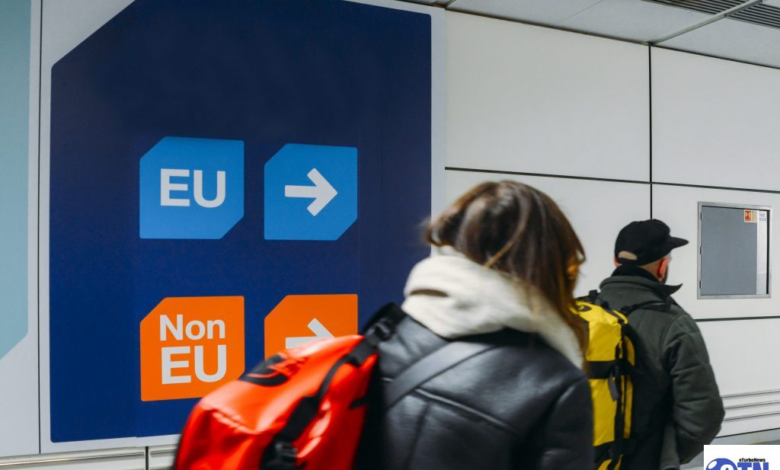
European Entry/Exit System (EES)
On 12 October 2025, the gradual introduction of the new EU entry procedure EES will begin in Germany. The pilot location is Düsseldorf Airport.
“Europe’s airports and airlines fully recognize the vital role of the ≈ in strengthening the security of the European Union’s external borders,” the letter states. “Today we have reached a critical point.”
The aviation sector warns that the situation is likely to worsen as passenger traffic increases over the summer. European airports are expected to handle approximately 40 million more passengers during July and August than in the previous two months, raising fears that existing border infrastructure will be unable to cope without additional flexibility from EU institutions.
The organizations reject suggestions that delays are primarily the result of airline scheduling or staffing shortages, arguing instead that the EES has significantly increased processing times at border control. Industry representatives have noted that biometric registration can take several times longer than traditional passport checks, particularly for first-time travelers.
To address the issue, the letter calls on the European Commission to introduce immediate operational flexibility. Among its recommendations are allowing Member States to temporarily suspend biometric enrollment when excessive queues develop, permitting a return to manual passport stamping where necessary, accelerating deployment of digital pre-registration tools, and adopting a more pragmatic approach to the system’s rollout.
The warning follows similar concerns from airport operators across Europe. Rome’s airports have already indicated they may suspend biometric processing during periods of exceptional congestion to avoid major disruption, while industry bodies have cautioned that travelers could face waits of several hours at some border crossing points throughout the summer.
The European Commission has maintained that the Entry/Exit System is operating successfully and has pointed to existing legal mechanisms that allow temporary flexibility under exceptional circumstances. However, aviation stakeholders argue that the current measures are insufficient to prevent widespread disruption during the year’s busiest travel months.
The Entry/Exit System replaces manual passport stamping for non-EU travelers entering the Schengen Area with the electronic registration of passport details, fingerprints and facial images. The system is intended to strengthen border security, improve the identification of overstayers and modernize border management across participating countries.