Berlin’s Carnival of Cultures transforms the German capital into a vibrant global celebration filled with music, dance, food and artistic expression. During the sunny Pentecost long weekend, thousands of performers and hundreds of thousands of visitors gather to celebrate multiculturalism, freedom and unity across the streets of Berlin.
Under brilliant blue skies and warm early-summer sunshine, Berlin is once again transforming itself into Europe’s biggest open-air celebration of diversity. During the long Pentecost weekend, the German capital erupts into a four-day explosion of music, dance, food, activism and color as the world-famous Carnival of Cultures takes over the streets.
From samba rhythms echoing along Karl-Marx-Allee to Afrobeat dance circles in Kreuzberg and Caribbean drums rolling through Friedrichshain, Berlin is celebrating what many residents proudly call the city’s greatest strength: its multicultural identity.
The festival, known locally as Carnival of culturesdraws more than half a million visitors every year and features thousands of performers representing dozens of cultures, communities, and artistic traditions.
This year’s celebration runs from May 22 to May 25, culminating in the iconic Sunday parade on May 24. The parade route again stretches along Frankfurter Allee and Karl-Marx-Allee, where elaborately decorated floats, dance groups, and live musicians transform eastern Berlin into a moving global stage.
A Festival Born From a Changing Berlin
The Carnival of Cultures emerged in the mid-1990s, during a period when reunified Berlin was redefining itself after the fall of the Berlin Wall. Inspired partly by London’s Notting Hill Carnival and Rotterdam’s Zomercarnaval, the first event took place in 1996 as a statement against xenophobia and intolerance.
Since then, Berlin has evolved into one of Europe’s most international cities, home to people from more than 190 nations. The festival became both a party and a political statement — a living declaration that diversity belongs at the heart of German identity.
“Cosmopolitan and international, dynamic and full of life, diverse and colorful” is how the city officially describes the event.
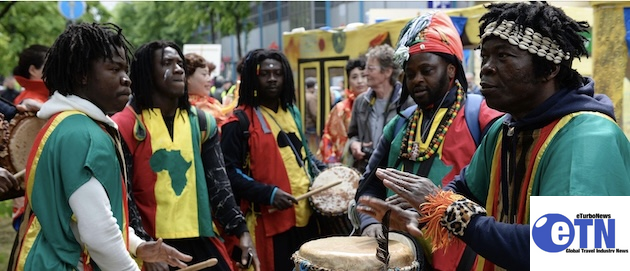
Today, the festival showcases everything from Brazilian samba schools and West African percussion collectives to Balkan brass bands, Middle Eastern folk dance ensembles, and Berlin’s booming electronic music scene.
Social Media Turns Berlin Into a Global Stage
This year, social media is amplifying the festival’s energy far beyond Germany.
On Instagram and TikTok, creators are posting vibrant footage of dancers in feathered costumes, street-food markets, live DJs, and crowds waving flags from around the world. One viral Instagram Reel called the event “one of Berlin’s biggest and busiest festivals.”
YouTube travel vloggers are also fueling international attention. A recent creator video described the festival as “a vibrant, colorful celebration of music, dance, street food, and cultures from around the world.”
Across Facebook, users are sharing drone footage and livestreams of the parade, while Berlin influencers are posting practical survival guides for navigating the crowds, public transportation and late-night parties.
The hashtag culture surrounding the event — #KarnevalDerKulturen, #BerlinSummer and #MulticulturalBerlin — has become part of the festival itself, especially among younger visitors who see the weekend as both a political and artistic gathering.
More Than a Parade
While the parade is the headline attraction, the festival atmosphere stretches across the city.
At Blücherplatz, visitors wander through international food markets, art installations, and open-air stages featuring genres from reggae and hip-hop to soul, Amapiano, and electronic music.
Families attend mask-making workshops and cultural performances, while tourists fill beer gardens and cafés nearby. Street artists perform spontaneous acrobatics between crowds dancing under giant soap bubbles and rainbow flags.
Berlin authorities expect hundreds of thousands of visitors over the long weekend, making it one of the city’s largest tourism events of the year.
A City Defining Itself Through Diversity
The Carnival of Cultures also arrives at a sensitive moment in Europe’s political climate, where debates about migration, nationalism, and identity remain intense.
In Berlin, however, the festival has become a powerful counter-image — one where cultures do not merely coexist but celebrate together in public space.
Local organizers increasingly emphasize sustainability, inclusion, and preservation of urban heritage along parade routes. Fundraising campaigns are also underway to secure the festival’s future editions.
For many Berliners, the Carnival of Cultures is more than entertainment. It is a reflection of the city itself: rebellious, artistic, international, and constantly reinventing itself.
As sunset falls over the German capital this long holiday weekend, the sound of drums, techno basslines, and cheering crowds carries through the streets — proof that Berlin’s identity remains deeply tied to freedom, creativity, and the cultures that shape it together.
For official event details and schedules, visit Berlin Carnival of Cultures Official Page and Karneval Berlin Official Site.