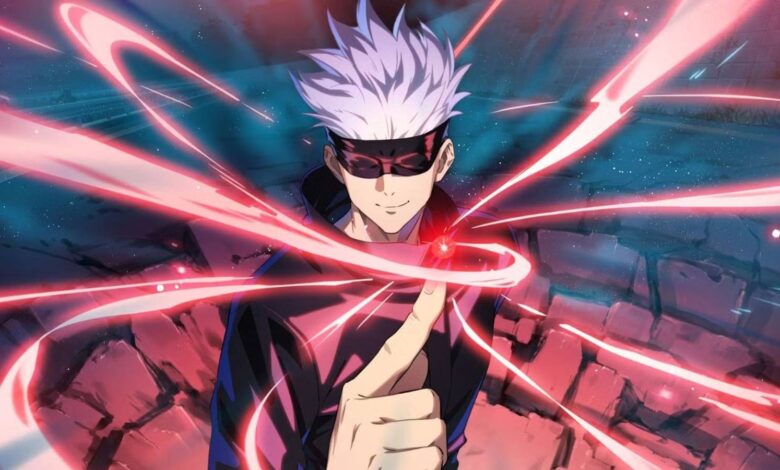
Some of the greatest shonen anime series are ones that have stood the test of time; Dragon Ball, One Piece, Naruto, and Bleach, just to name a few. These stories hold a special place in the hearts of many in the anime community for their rich lore and relatable characters, making them some of the best in the medium to this day. For many, these series are untouchable, and it will take a miracle to knock them off the top of the mountain, but the newer generation of shonen is quickly making a case for themselves.
In the last decade, several new-era shonen series have showcased tremendous storytelling that has resonated with an audience looking for something new. Whether it’s traveling through time to stop the death of a loved one, becoming a demon to combat other demons, or utilizing newfound strength to cure a family member, there’s no shortage of series with the potential to join the ranks of the best. This list will highlight ten new-gen shonen series that are potentially better than the classics.
Mob Psycho 100 Approaches Powerscaling Through Personal Growth

Many of the classics rely on escalating power levels, but Mob Psycho 100 focuses more on the emotional maturity of its protagonist rather than his literal strength. With a unique, experimental art style, Mob Psycho 100 has many fluid, and almost psychedelic, action sequences that the classics struggle to achieve. The story is delivered as a profound message of self-growth and evolution by consistently grounding its supernatural chaos at just the right moments.
The series does a tremendous job of subverting the trope of a chosen one by showing the audience that having powers on the level of a God doesn’t make the character more special than everyone else. Shigeo Kageyama’s growth is measured by his confidence and kindness to others, making his journey feel relatable to a general audience. The shift from physical battles to internal growth provides a refreshing depth that sets an excellent standard for a genre that mainly focuses on power level increases.
Guess the anime from the emojis.
🎌
Guess the
Anime
⭐
Guess the anime from the emojis.
Easy (120s)Medium (90s)Hard (60s)
Tokyo Revengers Psychological Approach Trumps Traditional Powerscaling

Tokyo Revengers breathes new life into the delinquent student subgenre by blending the grittiness of street brawls with the dangerous butterfly effect of time-traveling. Unlike older series, where the hero is naturally the strongest fighter of the group, Takemichi is considered a crybaby hero who wins through emotional endurance and loyalty. This vulnerability creates a more tense atmosphere where every choice he makes carries a heavy, permanent weight.
The strong cast of the Tokyo Manji Gang, led by Mikey, offers a complex look at brotherhood and the tragic consequences of youth violence and chaotic aspirations. The narrative’s structure keeps viewers guessing with constant butterfly effect shifts in the timeline, as one move to save a life leads to the deaths of many other important characters. It successfully replaces the traditional power-climbing formula with a desperate, psychological struggle to save loved ones while trying to perfect the main timeline.
Solo Leveling Takes a Straightforward Approach, Followed by Flawless Execution
Representing the peak of a power system scale, Solo Leveling delivers a polished, high-octane experience that feels both modern and addictive at the same time. The progression of Sung Jinwoo from the world’s weakest hunter to an unstoppable killing machine is paced with a perfect precision that avoids running into the filler issue that many shonen series fall into. Its focus on a singular, overwhelming power fantasy is executed with more visual flair and intensity than almost any other series.
Jinwoo’s shadow-summoning mechanics provide a unique tactical edge to the combat that evolves beyond simple energy blasts, leading to a two-way attack style of close and ranged attacks. Each floor and dungeon crawl feels like a cinematic event, backed by some of the most consistent animation in the industry and one-liners from Jinwoo that will turn anyone into a fan. It’s a masterclass in building hype, proving that a straightforward premise can be superior when the execution is flawless.
Kaiju No. 8’s Adult Protagonist is a Refreshing Change from the Norm

By featuring an older protagonist in his 30s, Kaiju No. 8 tackles themes of lost dreams and second chances that younger-targeted classics often ignore. Kafka Hibino goes from cleaner to soldier while struggling to hide his monster identity, adding a layer of secret identity tension that is consistently engaging. The series balances laugh-out-loud comedy with massive, city-level destruction in a way that feels organic, yet never feels exaggerated or unnecessary.
The world-building around the Defense Force feels unique and professional, moving away from the trope of a rag-tag group of unsupervised kids that is more common in older shonen series. Its fast-paced chapters and clear power system make it incredibly accessible without losing its impact, making it easier to understand the rules of the world. Kaiju No. 8 successfully proves that the shonen spirit isn’t just for teenagers, but for anyone still chasing their goals.
Hell’s Paradise Foregoes the Classic Tournament Arc for Something More Riveting

One third of the “Dark Trio,” Hell’s Paradise blends historical supernatural horror with a brutal Battle Royale structure that challenges the audience’s perception of good versus evil. The mystery of the island of Shinsenkyo creates a sense of dread and wonder that is far more atmospheric than the typical tournament or training arc found in older shonen series. It explores the blurred lines between criminals and executioners, making the heroes much more morally gray than traditional protagonists.
The series is also notable for its beautiful yet grotesque character designs and its exploration of Taoist philosophy. The relationship between Gabimaru and Sagiri provides an emotional core amidst the body horror and insanity, as the former has aspirations of returning to his wife, while the latter aims to see the good in a cold killer. Hell’s Paradise moves at a breakneck speed, concluding its story with a tight focus that avoids the bloat of older series, yet never glosses over important details.
My Hero Academia Gives the Classic Underdog Tale an Upgrade
Using the popular superhero framework, My Hero Academia refines it with a massive, diverse cast, where every side character eventually gets their moment to shine and feels just as important as the main protagonists. Its exploration of what it truly means to be a symbol of peace dismantles the hero archetype with more nuance than earlier battle series. The emotional stakes are consistently high, as the story shifts from a school setting and earning the coveted pro-hero status to a full-scale societal collapse.
The technical concept of the Quirks allows for creative, team-based battles that go beyond who can punch the hardest. Themes of legacy and the burden of expectations are woven into every major fight, giving the action a heavy emotional resonance. Deku and Bakugo, My Hero Academia’s two major focuses, are excellent examples of two different mentalities aiming for the same goal, and working both together and individually. My Hero Academia serves as a polished, modern evolution of the classic underdog story.
Vinland Saga Turned Shonen Concepts Inside Out

Though it moved to a seinen magazine, Vinland Saga began as a shonen that challenged the very concept of revenge-driven narratives with Thorfinn’s aspirations to avenge his fallen father. It masterfully showcases the warrior’s path idea by showing the hollow, devastating reality of violence through Thorfinn’s traumatic transformation. The shift from a revenge thriller to a story of pacifism and atonement is a narrative risk that few older shonen would ever dare to take.
The historical detail and philosophical depth of Vinland Saga elevate it into a league of its own, far surpassing the simplistic morality of past shonen hits. Thorfinn’s growth into a man who realizes he has no enemies is one of the most powerful character arcs in modern media. It’s a brutal, beautiful masterpiece that uses the medium to ask difficult questions about human nature, such as whether the pursuit for revenge is worth the sacrifice of one’s humanity.
Chainsaw Man Turns Traditional Battle Shonen Tropes On Their Head

Chainsaw Man is a chaotic, cinematic fever dream that throws the shonen rule book out the window and combines intense action sequences with real human emotion and comedy. Denji’s motivations are hilariously mundane, as he focuses on seeking food and physical affection, making him a grounded contrast to heroes who want to change the world. The series uses sudden, shocking deaths and surreal horror to ensure that the audience never feels safe or comfortable.
The paneling in the manga and the blend of shifting sequences in the anime feel more like a prestige film than a standard shonen anime series. It replaces traditional friendship tropes with complicated, often toxic relationships that feel more realistic and messy, highlighting the worth of a bond through how useful one can become. It is arguably the most unpredictable series of the new generation and of the Dark Trio, constantly changing and elevating expectations at every turn.
Demon Slayer’s Gorgeous Animation and Standout Characters Rearrange Demographic Expectations
Demon Slayer takes a simple, traditional story and elevates it to legendary status through unparalleled production quality and emotional sincerity. Tanjiro’s persistent kindness, even toward the demons he slays, provides a moral center that feels more earned and less preachy than past protagonists. The focus on familial bonds, through friendships and family, rather than just personal glory gives every battle a poignant, tragic undertone that gives every subsequent loss more weight.
The many techniques, known as Breathing Styles, bring a level of artistic elegance to swordplay that redefined how action is animated in the modern era. Each arc is capable of standing alone, yet remains a piece of the major puzzle, and visually distinct, leading to some of the most talked-about internet-breaking moments in anime history. It’s a perfect example of how a classic formula can be made better through high-level craftsmanship and undeniable heart.
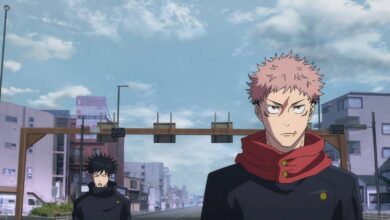
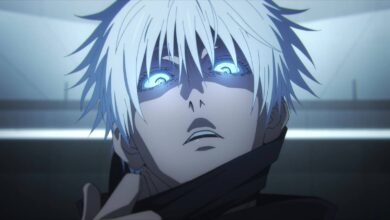
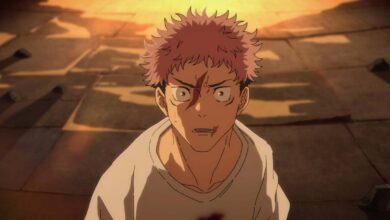
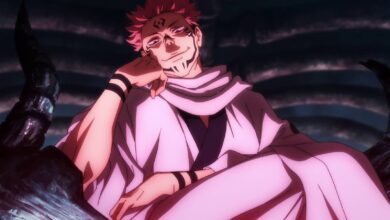
Jujutsu Kaisen Unflinchingly Left Common Shonen Tropes In the Dust

Jujutsu Kaisen blends high-speed tactical combat with a grim, existential philosophy regarding human negative emotions better than any series has before it. Not only does it avoid the power of friendship cliché, Jujutsu Kaisen shifts the narrative completely by emphasizing that sorcerers almost always die alone and full of regret. The established power system, Cursed Energy, is incredibly complex, allowing for intellectual battles that require as much mental planning as they do raw strength.
The third and final member of the infamous Dark Trio, Jujutsu Kaisen offers an experience where no character is safe from the brutal reality of their world, and danger looms around every corner. It features a female cast that is treated with the same agency and intensity as the men, a significant improvement over many older shonen titles. With its darker tones and tragic lore, Jujutsu Kaisen has become a cornerstone of the modern anime landscape.