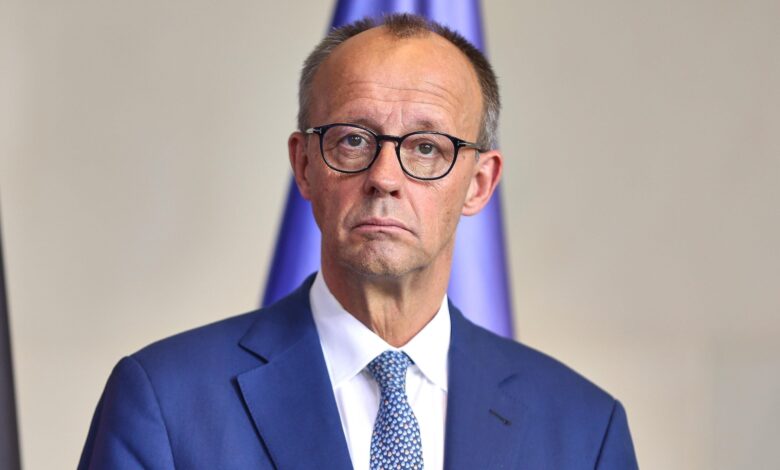
More than 100 founders wrote an incendiary letter to Friedrich Merz – demanding less bureaucracy and a change of course.

More than 100 founders and managers of German tech companies wrote an open letter to Chancellor Friedrich Merz. Their message: Germany is increasingly losing ground in international competition and urgently needs reforms in order to become more attractive again for founders, investors and talent.
The letter was initiated by the startup association. The signatories include representatives from some of Germany’s best-known technology companies, including Flix, Zalando and Home24. They are united by the concern that high energy costs, excessive bureaucracy and slow authorities are slowing down Germany as a business location.
What the founders of Merz want
The specific demands on the federal government:
- Pension invests in startups: Those who save for old age should also be able to invest their money in young growth companies in the future.
- More major investors on board: Banks, insurance companies and funds should be able to invest more easily in startups.
- More flexible termination rules for top earners: Startups should be able to hire top talent more easily and, if necessary, fire them.
- Turn employees into co-owners: Anyone who works in a startup should be able to get company shares easily. Today it is far too complicated for tax purposes.
- Less bureaucracy, faster founding: Stop new burdens, reduce old ones. It should be possible to found a company in 24 hours.
- More spin-offs from universities and research: According to the founders, Germany’s laboratories are full of ideas. They have to get out into the market – with better incentives for startups.
- State buys from startups: The public sector should specifically select innovative companies as contractors.
- Build your own AI infrastructure: Germany needs its own servers, its own computing capacity, its own AI models – independent of US companies.
Read too

The demands themselves are not new in the startup scene and are not aimed exclusively at the current federal government. They describe problems that have built up over years – from the consequences of the corona pandemic to the war in Ukraine to new trade conflicts and international competition with China. Germany risks losing important future industries to other locations if reforms are further postponed. It remains to be seen whether politicians will derive concrete measures from this.