


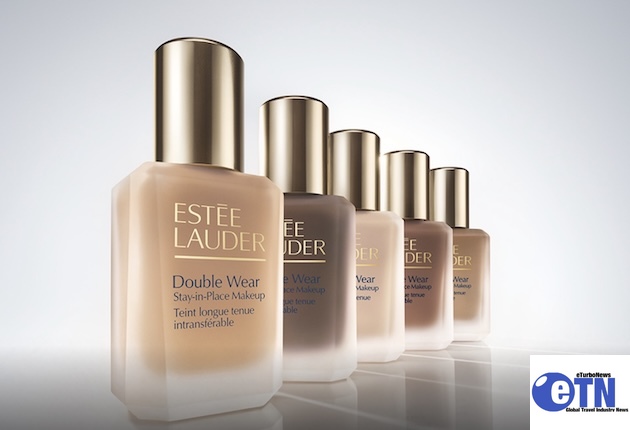
Luxury cosmetics have become one of tourism’s most profitable sectors. Travelers are far more willing to purchase premium beauty products and designer brands while on vacation, creating lasting brand loyalty after returning home. Global beauty companies are increasingly investing in airports, destinations, and travel retail, making tourism a powerful driver of luxury consumer spending.
For decades, souvenirs have defined travel shopping. Today, beauty products, luxury cosmetics, fragrances, and designer accessories have become modern travel souvenirs—often costing hundreds of dollars yet purchased with surprisingly little hesitation.
This transformation has turned the global cosmetics industry into one of tourism’s biggest beneficiaries and most active investors.
Far from simply selling lipstick or perfume, the world’s largest beauty companies are investing millions in airports, destination marketing, immersive retail experiences, tourism partnerships, multilingual beauty advisors, and digital engagement designed specifically for travelers.
The result is a powerful economic relationship where tourism fuels beauty sales, while beauty brands enhance the visitor experience and create long-term customer loyalty.
The Psychology of Shopping While Traveling
Tourism changes consumer behavior.
Behavioral economists have long observed that travelers enter what marketers call a “vacation mindset.” During holidays, consumers temporarily relax the spending discipline they maintain at home.
Several factors contribute:
- Purchases become associated with positive travel memories.
- Luxury items feel justified as rewards.
- Duty-free pricing creates the perception of exclusivity and savings.
- Limited-edition travel products create urgency.
- Travelers are already psychologically prepared to spend money.
Airport environments further reinforce these behaviors.
Research published in the Journal of Air Transport Management found that airports create a retail environment that differs significantly from traditional shopping, with emotional impulse purchases closely linked to traveler satisfaction.
Unlike everyday shopping, buying luxury skincare in Singapore, perfume in Dubai, or designer makeup in Paris becomes part of the travel experience itself.
Airports Have Become Luxury Shopping Destinations
Modern international airports increasingly resemble premium shopping malls.
Beauty is now the largest category within global travel retail, representing approximately 37% of travel retail salesmaking cosmetics the single most important merchandise category in airports worldwide.
L’Oréal describes travel retail as its “sixth continent,” reflecting the strategic importance of travelers as a global consumer segment rather than customers tied to one country. The company has spent more than four decades building a worldwide airport retail network.
Today, airports such as Singapore Changi, Dubai International, Seoul Incheon, Doha Hamad, Istanbul, Heathrow, and Hainan’s duty-free complexes have become destinations for luxury shopping in their own right.
Why Travelers Buy What They Would Never Buy at Home
A traveler who hesitates to spend US$350 on skincare at home often makes the purchase within minutes while waiting for a flight.
This behavior is driven by several psychological factors:
- Experience over possession.
The product becomes part of the vacation memory. - Lower price sensitivity.
Consumers compare the purchase against the total holiday budget rather than their monthly household expenses. - Tax and duty advantages.
Even modest savings justify premium purchases. - Scarcity.
Airport-exclusive collections create urgency. - Emotional elevation.
Travel naturally increases positive emotions, making premium purchases feel deserved.
Luxury brands have spent years studying these behavioral shifts.
Beauty Companies Invest Where Tourists Travel
The cosmetics industry no longer waits for customers to enter department stores. Instead, brands follow travelers. Among the largest investors are:
L’Oréal
The world’s largest beauty company operates dedicated Travel Retail divisions across Asia-Pacific, Europe, the Middle East, Africa, and the Americas.
Its investments include:
- airport flagship boutiques
- interactive beauty experiences
- multilingual beauty advisors
- digital skin analysis
- virtual makeup technology
- exclusive travel product launches
- destination-specific pop-up stores
L’Oréal identifies airports as global showcases for its brands and sees travel retail as a strategic tool for acquiring lifelong customers.
Shiseido
The Japanese beauty company has invested heavily throughout Asia.
Its initiatives include:
- airport advertising campaigns
- experiential retail spaces
- expanded counters
- partnerships with major duty-free operators
- digital engagement for tourists
The company specifically cites Singapore Changi Airport and numerous Asian gateways as major investment locations. It reports continued marketing investment aimed directly at international travelers.
Estee Lauder Companies
Owner of brands including MAC, Clinique, La Mer, Bobbi Brown, Tom Ford Beauty and Jo Malone, Estée Lauder has transformed travel retail into one of its most important sales channels.
Industry analysts estimate travel retail has represented a substantial share of prestige beauty sales, making airports strategically important to the company’s growth.
Tourism Boards Benefit Too
Beauty companies are increasingly collaborating with tourism stakeholders rather than operating independently.
Examples include:
- airport authorities
- national tourism organizations
- airline partners
- cruise operators
- destination marketing organizations
- luxury shopping districts
These collaborations help destinations position themselves as premium shopping hubs. Singapore promotes Changi Airport as a shopping attraction.
South Korea has developed Seoul into a global cosmetics destination. Dubai integrates luxury shopping into its tourism strategy.
China’s Hainan Island has evolved into one of the world’s largest duty-free beauty destinations through major government and private-sector investment.
The Return Home: Where Loyalty Begins
The most valuable part of travel retail may occur anus the trip ends.
A traveler purchasing Lancôme in Paris or Shiseido in Tokyo often continues buying that brand for years at home.
Industry executives increasingly view travel retail not simply as a sales channel but as a customer acquisition platform. Airport purchases introduce consumers to products they might not otherwise encounter locally.
Once travelers experience premium skincare, fragrances, or cosmetics during a memorable trip, they frequently reorder through domestic retailers or online platforms.
Travel retail, therefore, creates both immediate tourism revenue and long-term brand loyalty. L’Oréal explicitly describes travel retail as a strategic way to “win over consumers” and secure their loyalty through unique experiences.
The Experience Matters More Than the Discount
Duty-free shopping is no longer driven solely by lower prices.
Modern travelers increasingly seek:
- personalized consultations
- digital skin diagnostics
- exclusive packaging
- destination-themed collections
- Instagram-worthy store designs
- immersive brand experiences
Luxury beauty brands have responded by creating “retailtainment”—interactive experiences that blur the line between shopping and entertainment.