


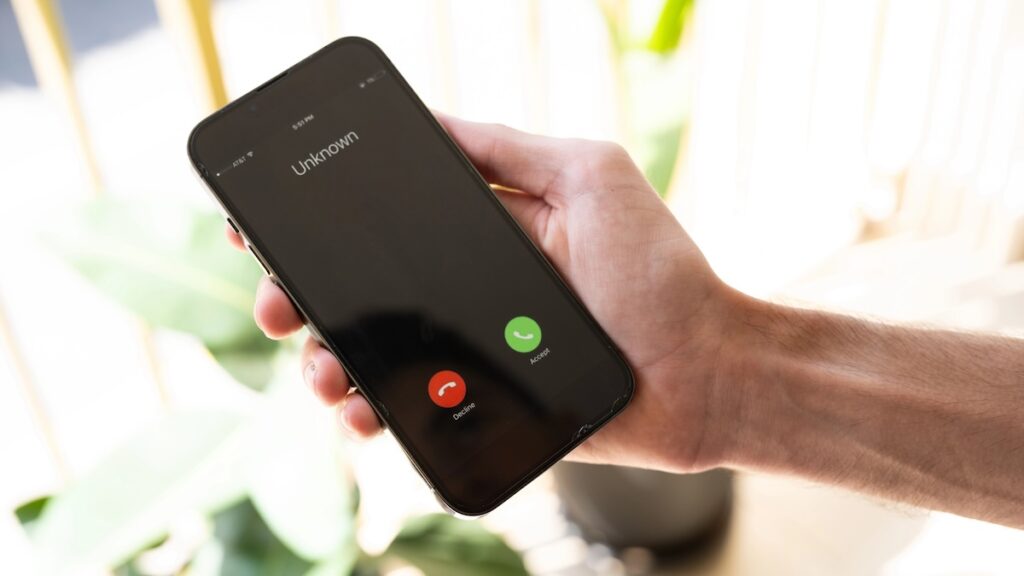
The phone rings. But instead of picking up, many people just stare at the display and wait for it to stop. What was once everyday life now causes stress for millions of people. A current study at Heidelberg University Hospital is investigating whether so-called telephone phobia is an independent anxiety disorder. The results show: Millennials are particularly affected and there is a clear connection with our smartphone use.
Since the introduction of the first iPhone in 2007, the smartphone has fundamentally changed the everyday lives of many people. What was initially considered a technical prestige object developed within just a few years into a constant companion for almost all situations in life.
Today, most people carry their smartphones with them almost around the clock and often use them for several hours a day. In Germany alone, more than 71 million people now own a smartphone, up from around 51 million in 2016.
How the smartphone has changed our communication
However, through messenger services, social networks and constant accessibility, the smartphone has not only accelerated access to information. This has also fundamentally changed the way people communicate.
For more and more people, however, it is precisely these diverse options for communicating with each other that lead to excessive demands, stress and a change in the way we deal with interpersonal contact. Many people now find particularly spontaneous phone calls unpleasant or stressful, even though digital communication has become more commonplace than ever before.
Why are people afraid of making phone calls?
Nadine Wolf from Heidelberg University Hospital explains that making telephone calls causes stress for many people, especially because of the spontaneity that comes with it n-tv.de. Wolf and her team are currently conducting a study examining how excessive smartphone use and not using a smartphone affect changes in brain activity.
Compared to telephone calls, written communication has the advantage that it can be better controlled and timed. On the phone, however, unforeseen questions can arise, which can lead to symptoms of stress and anxiety.
This is also confirmed by a study from 2019. 500 office workers in Great Britain were surveyed about the topic. Overall, 62 percent of respondents said they suffer from call-related anxiety when the phone rings.
A third cited concern about not knowing how to deal with a request. Another 15 percent fear being blocked on the phone and not knowing what to do next.
These fears are more common among Millennials. A full 76 percent of those surveyed have anxious thoughts when they hear the phone ringing, compared to only 40 percent of colleagues from the baby boomer generation.
Is phone phobia a separate form of social anxiety disorder?
The study at Heidelberg University Hospital also aims to clarify whether telephone phobia is an independent type of social anxiety disorder:
Is it really a fear that needs to be considered on its own, or is it part of social anxiety disorders and occurs in people with more pronounced personality traits such as insecurity or fearfulness?
However, there is no need to fear anxiety disorders if you put off an annoying phone call. “It becomes problematic when I experience impairments in everyday life and notice that it really has an impact on my life, be it in a personal or professional context,” says Wolf.
According to her, you can work off the discomfort when talking on the phone. By practicing social interactions and conscious practice in everyday conversation situations, the associated stress reaction can be gradually reduced.
Also interesting: