


It’s not just startups that are feeling the AI boom – venture capital funds are also under pressure. Why fresh capital almost only flows to the largest investors and new funds have little chance.


In the artificial intelligence funding bubble, a tiny circle of startups can quickly land billion-dollar funding rounds while everyone else fights for the leftovers. What is less obvious is that venture capitalists themselves are under the same pressure.
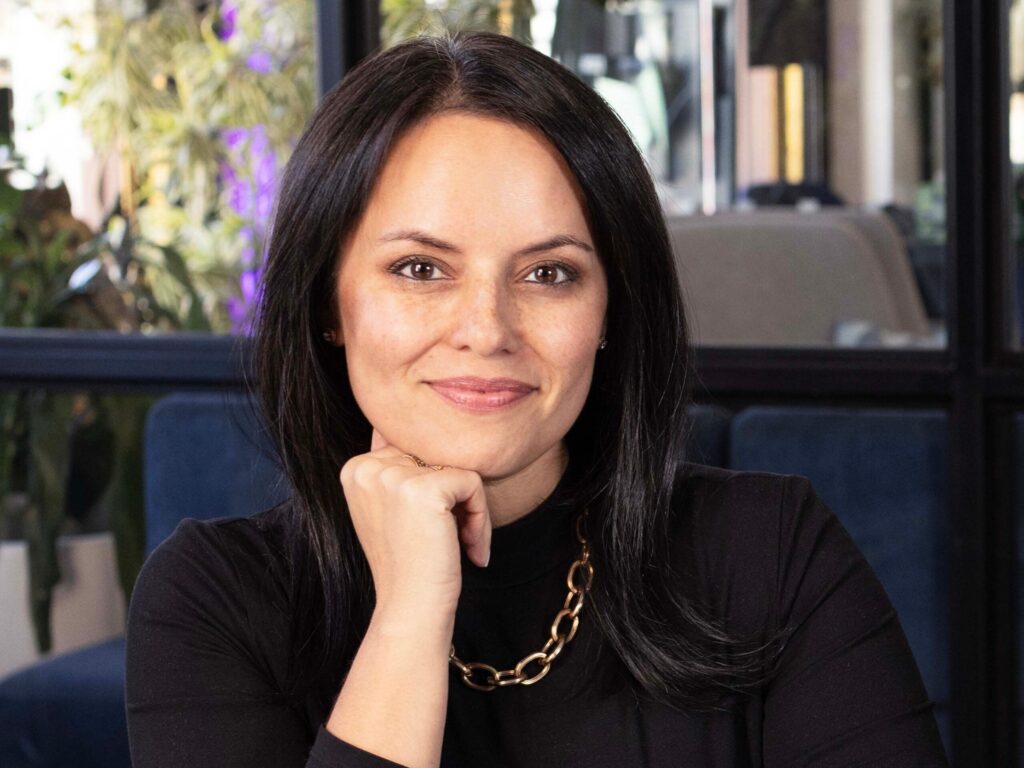
“It’s more difficult than ever to launch a fund as an aspiring fund manager,” venture capitalist Nisha Dua told Business Insider.
Everyone relies on the big guys
The trained lawyer and long-time employee at AOL has been working for twelve years at BBG Ventures, an early-stage investment firm from New York that supports female founders and entrepreneurs from different backgrounds. Business Insider USA recently named Dua to its “Seed 40” list of leading female investors.
Just as funding has been concentrated in a small number of startup darlings, Dua says investor capital in the United States is increasingly flowing to the largest and best-known venture capital firms. Data supports this impression: Experienced US firms secured 91 percent of all capital raised in the first quarter of 2026 – an increase from 74 percent for all of 2025, according to the PitchBook-NVCA Venture Monitor. This was the highest share ever recorded in PitchBook’s records.
The PitchBook-NVCA Venture Monitor is the quarterly industry report for the US venture capital market – it is published jointly by the National Venture Capital Association (NVCA) and the data platform PitchBook.
Read too


Established managers have always had an advantage with investors, who typically value brand names, a long track record and proven returns. But the latest data suggests that this advantage has turned into something much more serious: a fundraising market that is virtually closed to most aspiring VCs.
Fundraising winter
Dua experienced this firsthand. She closed her latest fund in the middle of a fundraising winter.
Capital has been plentiful during the pandemic, with droves of investors leaving established firms to launch their own funds. By the end of 2022, the market had turned around. Tech stocks sold off, the IPO window for late-stage startups closed, and investors became more cautious about where to put new money.
This change has been brutal for aspiring fund managers. Many had started in an era of easy money and were now faced with the challenge of raising capital in a market that had suddenly become less forgiving.
First hand experience
When Dua and her co-founder Susan Lyne wanted to launch a new fund in 2024, they sold their track record and, just as importantly, their worldview.
Read too

The company’s thesis is that founders who understand the problem firsthand are often best placed to solve it. That takes the firm into areas such as consumer products, healthcare and small business services – areas that are now teeming with generalist investors chasing the same deals.
Dua was an early bet on breakthrough companies like Spring Health, the mental health startup most recently valued at $3 billion. Also on Starface, a skincare brand known for its pimple patches. Lyne had landed an investment in Zola, the wedding planning startup.
Built by Girls
The company’s advantage, says Dua, is access. BBG comes into investment rounds based, among other things, on Dua and Lyne’s own operational experience. Additionally, it offers founders a network of CEOs, board members of listed companies, founders and other investors who can help them master the next phase of growth.
This argument helped investors attract new and existing investors. In 2024, BBG Ventures – short for Built by Girls – closed $60 million on its fourth and largest fund to date.
Because the capital was raised during an economic downturn, the bar for aspiring fund managers is now even higher, Dua said. Although a track record is helpful, it is not enough on its own.
Investors want to know where a manager thinks the world is headed, how their investments will shape that future, and what will give them differentiated access to the founders who are shaping that future, Dua said.
Read too

The point of view counts
Too many aspiring VCs have difficulty articulating this clearly, she said. While they had interesting networks or promising early investments, they failed to explain the investment philosophy behind the fund – or why they were uniquely positioned to succeed. “You have to have your own point of view,” says Dua.