


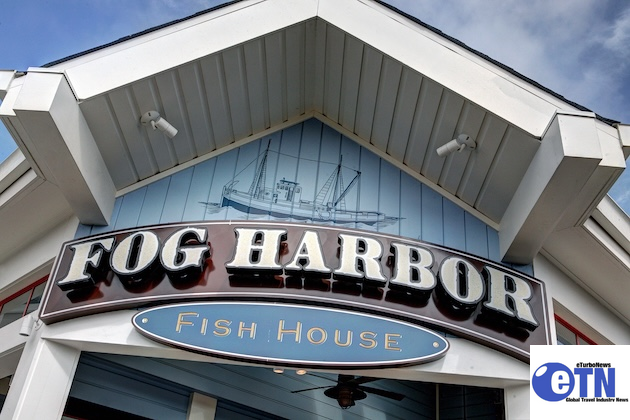
Family-owned Fog Harbor Fish House has become one of San Francisco’s most enduring waterfront restaurants by blending sustainable seafood, warm hospitality, fresh-baked sourdough, and panoramic Bay views. From tourists discovering Fisherman’s Wharf to locals returning year after year, the restaurant has evolved into a true San Francisco dining tradition.
For years, locals in San Francisco have had a familiar warning about Fisherman’s Wharf: beautiful views, yes, but avoid the tourist-trap restaurants.
And yet somehow, in the middle of one of the city’s busiest visitor corridors, Fog Harbor Fish House quietly broke the rule.
Nearly two decades after opening on PIER 39, the Simmons family-owned seafood restaurant has evolved into something increasingly rare in modern San Francisco dining: a waterfront institution that tourists actively seek out and locals willingly return to. In a city where beloved restaurants regularly disappear, Fog Harbor has remained steady — open 365 days a year, serving sustainable seafood with panoramic Bay views while much of the hospitality industry around it shifted dramatically.
This year, the restaurant’s staying power received another major validation when it was named Best Seafood Restaurant in SFGATE’s 2025 Best of the Bay Awards.
The recognition reflects something larger happening along San Francisco’s waterfront: visitors are returning in force, locals are rediscovering the Embarcadero, and classic waterfront dining is once again becoming part of the city’s cultural identity.

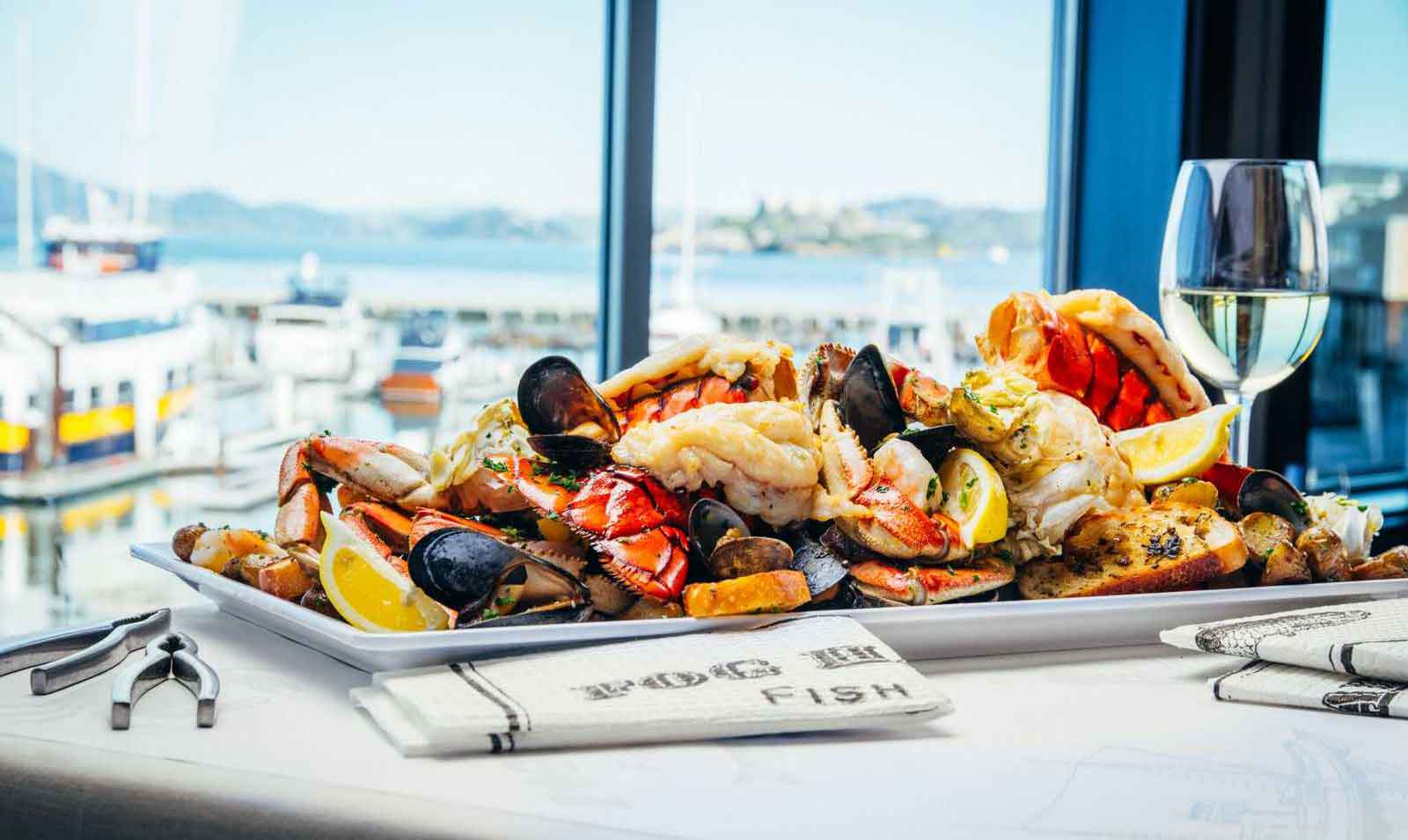
Best Seafood Restaurant in San Francisco | Visit Fog Harbor
Looking for a seafood restaurant in San Francisco among Pier 39 restaurants? Enjoy 100% sustainable seafood and stunning Bay views at Fog Harbor.
A Restaurant That Outlasted the “Tourist Trap” Label
What makes Fog Harbor unusual is not simply the location — it’s that the restaurant has managed to avoid becoming disposable.
PIER 39 has always drawn millions of visitors annually, but few restaurants there have successfully become trusted local favorites. Fog Harbor did it by leaning into consistency instead of trendiness.
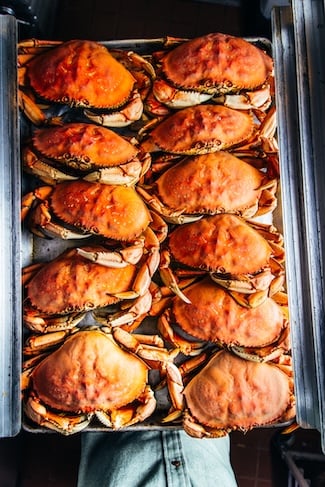
The restaurant still serves cioppino, clam chowder, Dungeness crab, crab cakes, fish and chips, scallop risotto, and seasonal seafood specials deeply tied to San Francisco’s maritime history. But unlike many waterfront restaurants that freeze their identity in time, Fog Harbor quietly modernized around sustainability, sourcing, wine pairings, and hospitality culture.
The Simmons family — longtime figures behind several major Fisherman’s Wharf restaurants — positioned Fog Harbor early around responsible seafood sourcing. The restaurant became the first on PIER 39 to commit fully to sustainable seafood practices, approved through partnerships with the Aquarium of the Bay and Monterey Bay Aquarium Seafood Watch standards.
Today, sustainability is common restaurant language. In 2007, especially on Fisherman’s Wharf, it was not.
That decision ended up reshaping the restaurant’s reputation.
The Small Details That Guests Remember
Ask repeat diners why they come back, and the answers are often surprisingly personal. Not the view — although every table overlooks Alcatraz, the Bay Bridge, or the Golden Gate Bridge.
Not even the clam chowder, which the restaurant reportedly serves at a rate of roughly 100,000 bowls a year. Instead, people talk about the details.
The complimentary sourdough bread is baked fresh in-house throughout the day. Servers remembering returning guests. Watching ferries move across the Bay while crab is cracked tableside. The balance between polished hospitality and casual San Francisco energy.

TripAdvisor reviews repeatedly reference an unexpected theme: visitors arrive expecting a standard waterfront tourist restaurant and leave surprised by the quality, consistency, and warmth. One reviewer even wrote that the restaurant “had everything to be one of those tourist places not worth it — but the food and atmosphere were excellent.”
That distinction matters in San Francisco.
Locals are protective of authenticity, especially along the waterfront. Restaurants that survive long term typically become woven into rituals — birthdays, visiting relatives, first-time city experiences, post-work dinners, holiday meals. Fog Harbor increasingly occupies that space.
The Family Behind the Restaurant
Fog Harbor’s identity is also inseparable from the Simmons family itself.
The family has longstanding ties to PIER 39 and Fisherman’s Wharf hospitality culture dating back decades. Fog Harbor operates less like a corporate seafood chain and more like a generational family business with institutional memory.
That continuity matters more now than it once did.
San Francisco’s restaurant scene has endured years of turbulence — pandemic shutdowns, a collapse in tourism, downtown vacancies, rising costs, and the closure of legacy institutions. Even iconic restaurants with deep cultural roots have disappeared.
Against that backdrop, Fog Harbor’s reliability has become part of its appeal. Open every day. Familiar menu. Family room. Familiar hospitality.
For visitors, it feels quintessentially San Francisco.
For locals, it feels reassuringly unchanged.
The View Still Matters — But It’s No Longer the Whole Story


There is, of course, the view.
Fog Harbor sits directly above San Francisco Bay with sweeping sightlines toward Alcatraz, Angel Island, the Golden Gate Bridge, and the constant choreography of ferries and sailboats moving through the harbor.
For first-time visitors, it delivers the cinematic version of San Francisco that people imagine before arriving. But increasingly, the restaurant’s reputation extends beyond scenery.
Its wine program — now one of the largest on PIER 39 with a strong California focus — has become another differentiator. Seasonal seafood menus paired with Sonoma and Napa wines create an experience more associated with established Bay Area dining institutions than high-volume tourist destinations.
And social media has amplified the restaurant’s identity far beyond the Wharf itself.
Instagram posts celebrating sunset dinners, overflowing cioppino bowls, sourdough bread service, and seafood towers have helped Fog Harbor become part of the modern San Francisco travel narrative online. The restaurant’s recent Best of the Bay recognition generated a wave of celebratory posts and customer engagement across Instagram and Facebook.


A Symbol of the Waterfront’s Return
As San Francisco enters another busy summer tourism season, the waterfront is experiencing renewed momentum.
Crowds have returned to PIER 39. Ferries are fuller. Hotel occupancy is climbing. Locals are spending more time along the Embarcadero again.
Fog Harbor now sits at the center of that revival — not simply as a seafood restaurant, but as part of the emotional geography of the city.
In many ways, its success reflects what people increasingly want from restaurants today: not reinvention, but reliability with soul.
A place where the bread still comes out warm.
Where the chowder still tastes the same.
Where the Bay still glows orange at sunset.
And where San Francisco still feels unmistakably like San Francisco.