


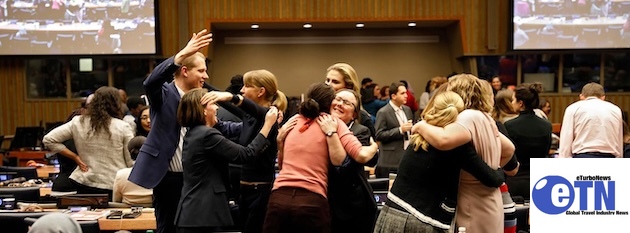
Every year on 24 Junethe world marks the International Day of Women in Diplomacya United Nations observance established to recognize the contributions of women diplomats and to confront the barriers that still prevent women from participating equally in international decision-making.
Yet the global response remains remarkably uneven.
Some governments publicly celebrate the day, highlighting the achievements of women diplomats and reaffirming commitments to equality. Others say little—or nothing at all.
The contrast speaks volumes about how nations choose to recognize women not only in diplomacy but in leadership itself.
Belgium and the European Union Lead by Example
Among the strongest voices this year was Belgium.
Through its Permanent Representation to the United Nations, Belgium declared:
“Today, we honor the contributions of women to diplomacy and highlight challenges that prevent the equal participation of women at all levels of decision-making. Women’s equal participation in governance and leadership is key to improving lives for all.”
The statement celebrated the women serving at Belgium’s Permanent Representation in New York as “architects of peace, champions of equality, and drivers of change.”
Belgium further reaffirmed its commitment as Vice President of the UN Women Executive Boardpledging to remove structural barriers that continue to limit women’s access to leadership.
It was more than a congratulatory message. It reflected a diplomatic philosophy—that stronger diplomacy depends upon broader representation.
Countries That Chose to Celebrate
Belgium was not alone.
Several European Union institutions, diplomatic missions and governments publicly marked the day, recognizing women serving in diplomacy, multilateral negotiations, peacebuilding and international cooperation.
Their messages shared a common understanding: diplomacy becomes stronger when women participate equally at every level of decision-making.
For these governments, the observation was not merely symbolic. It became an opportunity to connect gender equality with better governance, stronger institutions, and more effective international cooperation.
The United States: A Noticeable Silence
The United States presents a more complex picture.
Successful American administrations have supported women’s leadership through initiatives such as the Women, Peace, and Security agenda, the International Women of Courage Awards, and numerous diplomatic programs promoting women’s participation in public life.
Yet this year, there appeared to be no significant public statement from the White House, the US Department of State, or the US Mission to the United Nations recognizing the International Day of Women in Diplomacy.

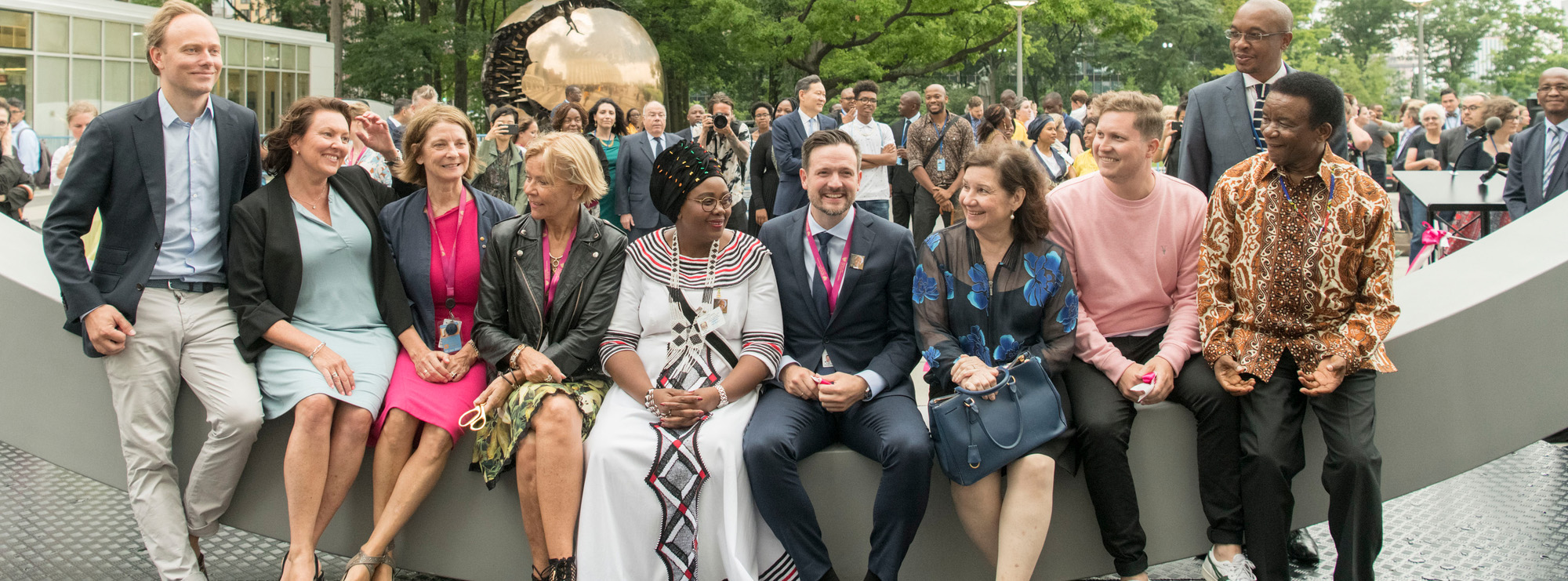
Women in Diplomacy | United Nations
Women in Diplomacy Day is meant to celebrate women’s indispensable role in diplomacy and an opportunity to reflect on actions that can be taken to achieve women’s full, equal, effective and meaningful participation in diplomacy.
The absence is notable.
As one of the world’s leading diplomatic powers, the United States has frequently championed women’s leadership internationally. Its decision not to publicly mark the occasion contrasts with allies such as Belgium and other European partners that chose to celebrate the day.
Silence does not necessarily indicate opposition. Governments prioritize communications differently, and many UN observations receive little official attention.
Nevertheless, public recognition carries symbolic value. It signals that women’s leadership matters—not only on International Women’s Day, but within diplomacy itself.
Diplomacy Does Not End at the Foreign Ministry
Perhaps diplomacy itself deserves a broader definition.
Every day, millions of women build international relationships not through embassies but through tourism, aviation, hospitality, culture, education, business and international development.
- They welcome visitors.
- They resolve misunderstandings between cultures.
- They introduce nations to one another.
- They build trust long before governments negotiate treaties.
- This is diplomacy too.
Even in countries that remained silent on the International Day of Women in Diplomacy, women continue to lead the travel and tourism industry—as tourism ministers, destination executives, entrepreneurs, airline leaders, hotel executives, guides, educators and cultural ambassadors. Their work represents a powerful form of tourism diplomacycreating people-to-people connections that often outlast political agreements.
Perhaps there is something traditional politics could learn from tourism.
While governments continue debating equal representation around diplomatic tables, tourism has quietly demonstrated that women are already leading international engagement every single day.
It may not be a coincidence that today the two most influential global tourism organizations are both headed by women.
Women leaders in tourism: The difference is obvious
- UN Tourism is now led by Shaikha Al Nowais.
- The World Travel & Tourism Council (WTTC) is led by Gloria Guevara.
Together, they symbolize an important moment for a global industry in which women have long formed much of the workforce and are increasingly reaching its highest offices.
Yet the public profiles of these organizations appear noticeably different.
Under Gloria Guevara, WTTC has projected a highly visible, independent, and outspoken voice on behalf of the global travel and tourism sector, particularly during periods of crisis and recovery. Its advocacy has often challenged governments directly and publicly.
UN Tourism, by contrast, has maintained a considerably more restrained public profile. Whether this reflects the constraints of a United Nations agency, institutional culture, or leadership choices is open to interpretation. The organization has generally spoken with a more cautious voice, leaving some observers to question whether its leadership is fully able—or fully expected—to exercise the same public independence seen elsewhere in the sector.
That contrast raises a broader question extending far beyond tourism.
When women reach the highest leadership positions, are they always empowered to lead with complete independence? Or do institutional cultures sometimes expect consensus, restraint and careful diplomacy, while rewarding more outspoken leadership elsewhere?
The answer may differ from one institution to another.
But the comparison reminds us that appointing women to leadership is only one step. Equally important is ensuring they have the authority, independence, and institutional support to lead visibly and on their own terms.
Why Silence Matters
The International Day of Women in Diplomacy exists because women remain underrepresented in diplomatic leadership worldwide.
Senior ambassadorial appointments, peace negotiations, and foreign ministries continue to be dominated by men.
- When governments celebrate the day, they acknowledge that diplomacy has not yet achieved equal representation.
- When governments remain silent, different questions emerge.
- Are women diplomats sufficiently visible?
- Are governments prepared to recognize the structural barriers that still exist?
- And what message does silence send to the next generation of women considering careers in diplomacy?
More Than a Symbol
Public statements alone will not solve inequality.
Recognition does not automatically produce equal promotion opportunities, family-friendly diplomatic careers, or equal access to leadership.
Yet visibility matters.
Belgium demonstrated how governments can publicly recognize women diplomats while linking celebration to concrete commitments.
The United States illustrated how even countries with strong histories of supporting women’s leadership can leave an observation largely unnoticed.
Tourism offers another perspective overall. Across destinations worldwide, women are already practicing diplomacy every day—not through treaties, but through human connection. Their leadership demonstrates that diplomacy is not only about governments speaking to governments. It is equally about people building trust across cultures.
Looking Ahead
The International Day of Women in Diplomacy is still a young UN observance, but it is gradually gaining recognition.
As more governments embrace the day, the contrast between celebration and silence becomes increasingly visible.
The question is no longer simply which countries support women in diplomacy.