


Spelled and wheat are both grains and look quite similar. But they behave differently in the kitchen, especially when baking. Here you will find the most important differences between wheat and spelled in terms of taste, nutritional value, tolerability and dough management.
Differences at a glance
- Spelled tastes more nutty, wheat tastes more neutral.
- Spelled dough is delicate and needs gentle handling.
- Wheat is often lighter for very fluffy pastries.
- With a few tricks, spelled bread becomes just as juicy.

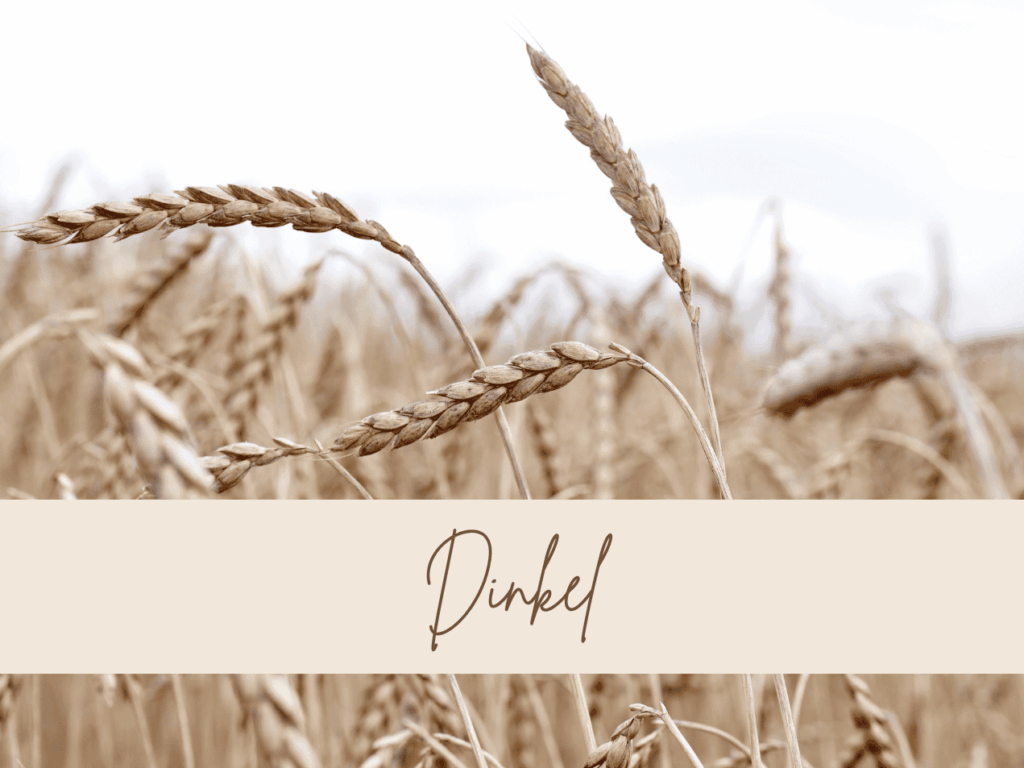
Wheat vs. spelled: taste and texture
Spelled has a subtle nutty note and often seems heartier. Wheat is neutral and leaves more room for other flavors. Wheat often works easier for cakes and very fluffy rolls, but spelled has more bite.
Nutritional values in practice
Both provide complex carbohydrates, fiber and vegetable protein. Spelled tends to have a little more protein and can keep you full for longer. Whole grain beats extract flour because the shell and germ contain more nutrients.
Wheat vs. spelled: gluten and tolerance
Spelled and wheat contain gluten, so both are not suitable for celiac disease. Some people find spelled to be more digestible, it’s very individual. A long dough process and whole grains can improve tolerance.
Baking with spelled: 5 points
- Water absorption: Spelled dough becomes soft quickly, so dose the liquid well.
- Kneading: Shorter and with breaks so that the gluten structure remains stable.
- Autolysis: Let it swell for 10-20 minutes to add structure.
- Adding fat: A little oil or butter makes the crumb juicier.
- Gentle guidance: Less force, more rest time – this improves pores.
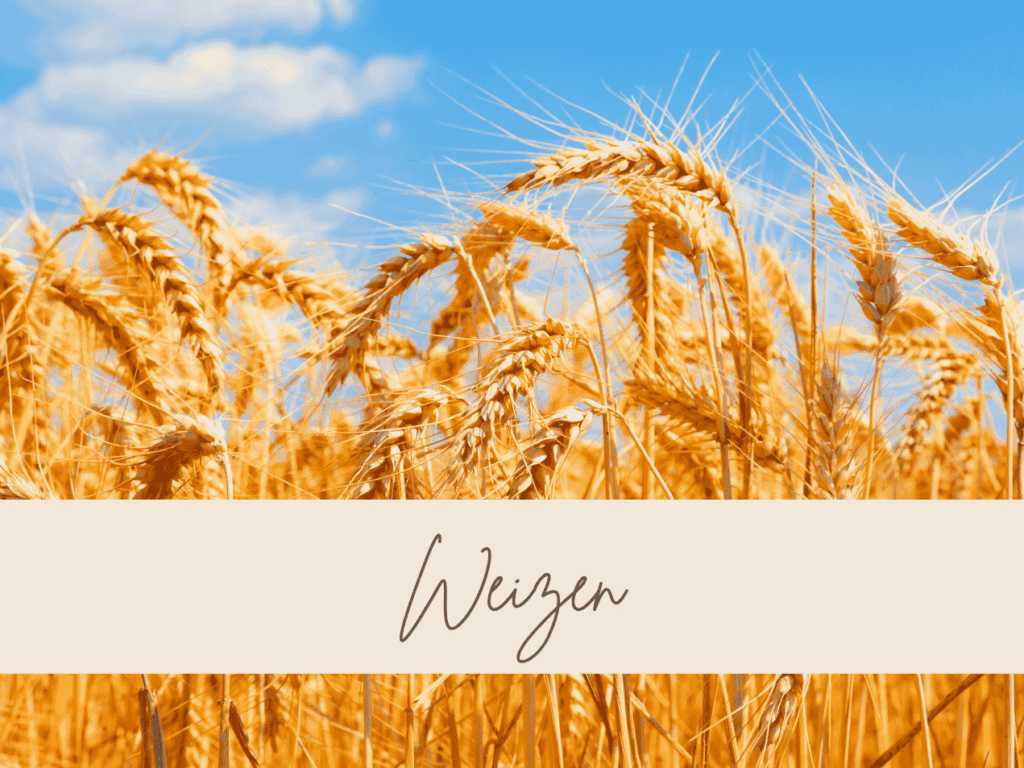
The all-rounder: wheat
Wheat is fault-tolerant and likes to open airily. Wheat is often the easy way to make yeast dough and very fluffy cakes. Pizza and focaccia also benefit from the good stretchability.
Exchange in everyday life
- Cake: Wheat 405 ↔ Spelled 630, with spelled a little more liquid, knead briefly.
- Bread: Wheat 550 ↔ Spelled 630/1050, autolysis and gentle stretching instead of hard kneading.
- Pizza: Wheat 00/550 ↔ Spelled 630, a little more liquid, knead for less time.
- Pancakes: 405 ↔ 630 usually 1:1, let the dough swell for 10 minutes.
Errors and quick solutions
- Dough tears: Reduce kneading time, add 1-2 stretch-and-fold rounds.
- Bread becomes dry: increase hydration by 2-3%, add a little oil, check baking time.
- Crumb too dense: Plan for longer, cool cooking or pre-dough (e.g. Poolish).
Meal prep and everyday life
Spelled seeds are filling and go well in bowls, salads and sandwiches. Wholemeal spelled bread is easy to cut, freeze and toast. It is best to freeze slices in portions and bake as needed.
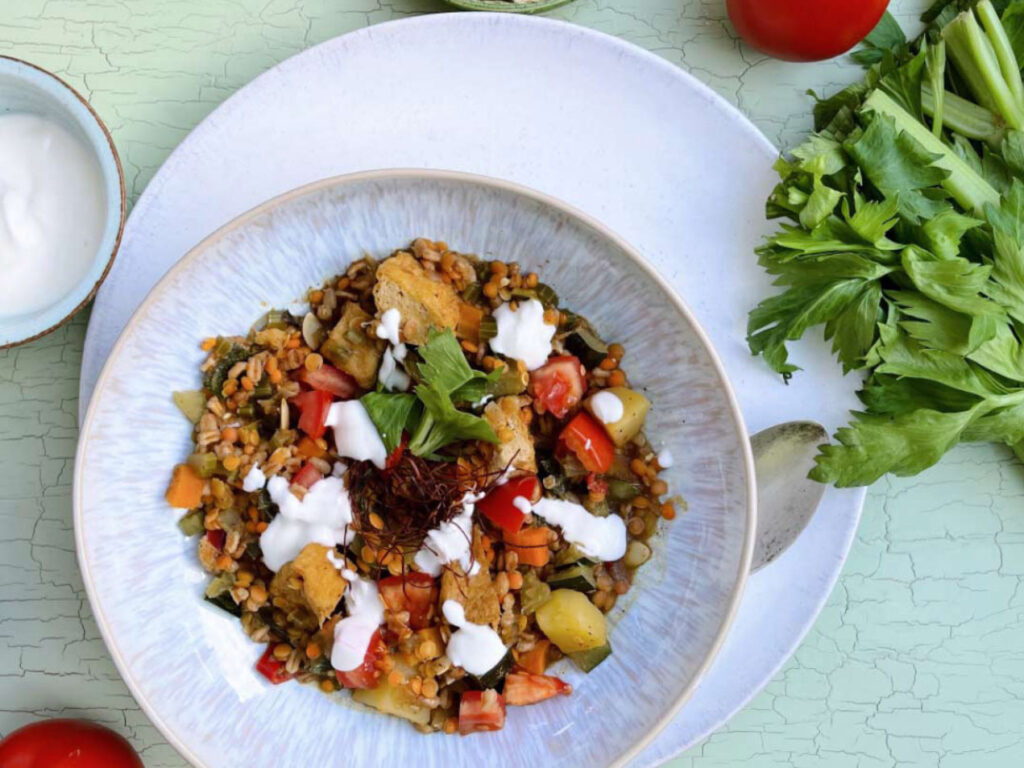
Vegan lentil soup with spelled rice
Cooking in a child-friendly way
Many children like mild, soft dough – pancakes, waffles or small rolls made from spelled 630 are ideal. Bananas or applesauce make the dough juicy and save sugar. Practical for on the go: spelled wraps or small pizza pockets.
Wheat vs. spelled: budget and purchasing
Whole grain spelled is often a little more expensive, but offers a lot of nutritional value per serving. If you want to save money, mix spelled with wheat, about 30% to 70%, and adjust as needed. Pay attention to offers and good quality, it pays off when baking.
FAQ
- Which type of bread? Spelled 630 or 1050, whole grain for more fiber.
- Can I swap spelled 1:1? Mostly yes, a little more fluids and gentle guidance help.
- Is spelled healthier? Both fit into a balanced diet, whole grains are the biggest lever.
Conclusion on wheat vs. spelled
Spelled and wheat are related, but behave differently in the kitchen. With small adjustments to liquid, kneading time and cooking time, spelled turns out to be just as juicy as wheat. For flexibility, use wheat for fluffiness and spelled for flavor – or mix the two.