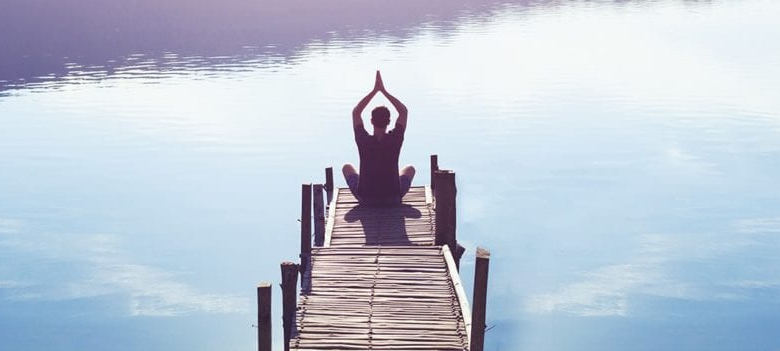
If you’ve ever felt the need to take a vacation just to recover from one, you aren’t alone. Most individuals are familiar with the routine: rushing to tick off as many spots from their itineraries as possible, devouring too many local delicacies, and coming home feeling exhausted instead of excited.
That is why many are now switching to “wellness” trips. Not just yoga retreats, but also nature walks, silent retreats, aromatherapy sessions, and similar activities that calm the mind and body.
Wanting More Than Just An Escape
For the longest time, travel has been an escape from everyday routines. A trip to take a break from your hectic schedule or a weekend getaway to relax before the Monday blues kick in. But now, it’s quickly becoming more about personal growth. People want to bring back more than mere souvenirs; they want to unlock a better version of themselves by healing their physical and mental health. Hence, many are now booking trips to learn about healthy cooking, sustainable gardening, and even deep meditation.
Prioritizing self-care
A McKinsey report states that nearly 70% of US consumers purchased more products in the healthy aging category in 2024, and that number has only risen since. This strong reflection of the “self-care” movement has become mainstream in many people’s lifestyles. Practices like breathwork, hot and cold therapies, and using recovery tech have become more popular as people seek to actively manage their well-being. The result? They book trips specifically to undertake wellness activities in specialized locations, learn from industry experts, or even just get away from busy city life.
Embracing Nature as a Natural Healer
On the subject of busy city lives, many individuals find themselves neck-deep down the hustle-and-bustle rabbit hole. And hence, the urge to wander around green fields and under open skies is stronger than ever.
That is where wellness tourism destinations are winning. These are places that offer activities like natural saunas, thermal baths, and sensory-focused forest walks, with serene views unhindered by cityscapes. From improved blood circulation to the regulation of cortisol levels, the benefits of prioritizing wellness are more than you might imagine, which is why this particular tourism niche is riding the high tide.
Achieving Holistic Recovery
What’s probably the biggest reason behind this boom is that nearly everyone struggles with chronic fatigue. Many individuals, especially millennials and Gen Z, are spending money to address this problem, whether that means paying off sleep debt or simply rejuvenating their minds. Think rainforest spa retreats, the centuries-old ritual of Turkish cleansing baths, traditional Finnish baths, and even luxurious AI-powered suits that adjust environments to reset your circadian rhythm.
As more travelers crave curated, nourishing experiences, hotels are partnering with wellness companies, which is also why wellness tourism continues to grow in popularity. Instead of just offering a place to stay, these establishments now offer exclusive wellness itineraries, such as wellness-infused cultural programs (such as sound baths with Tibetan singing bowls), guided meditative hikes, and aromatherapy sessions using local herbs.
Discovering Wellness Products
Wellness tourism has made it easier for people to discover products that complement their experience. As travelers explore new places, they often come across herbal infusions, natural skincare, sleep aids, essential oils, and edibles like Crescent Canna THC gummies.
These discoveries stood out because of when they are introduced: it could be after a mediation session, during a wind-down ritual, or as part of a wellness program. Many travelers return home and continue using these products as part of their daily habits.
Driving Local Economies
Another reason for the rapid growth of wellness tourism is that this industry boosts local economies. It drives demand for restaurants, accommodations, and other local services, meaning businesses catering to this segment of travelers are registering substantial revenue spikes. This aspect almost compels communities, governments, and state bodies to focus on wellness tourism, as the evidence is already there. An influx of visitors means new job opportunities, increased supplies of goods from locals, and an overall boost in local economic activity.
Wellness Tourism is Here to Stay
All of these aspects point to one thing and one thing only: wellness tourism isn’t going anywhere. The definition of a “vacation well spent” doesn’t just include traveling to see the world anymore. It also means prioritizing your health to improve how you actually experience it and, more importantly, return as a more balanced version of yourself.