


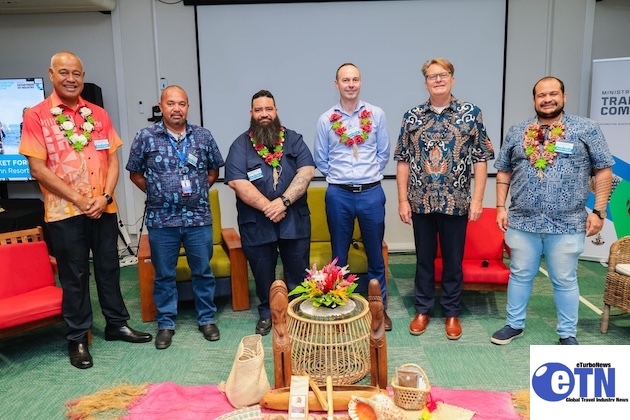
Vanuatu unveiled its Tourism Marketing Strategy 2026–2028 at the 3rd Vanuatu Tourism Market Forum in Port Vila, signaling a shift from recovery to sustainable growth. Former PATA CEO Peter Semone outlined a collaborative vision for Pacific tourism centered on resilience, regenerative development, regional connectivity, and shared prosperity across the Pacific.
PORT VILA, VANUATU – Vanuatu has signaled a confident new chapter for its tourism industry, shifting its focus from post-crisis recovery to long-term sustainable growth during the 3rd Edition of the Vanuatu Tourism Market Forum.
Hosted by the Vanuatu Tourism Office (VTO), the forum brought together government officials, tourism executives, aviation partners and regional leaders to unveil the Vanuatu Tourism Marketing Strategy 2026-2028a blueprint designed to diversify visitor markets, strengthen connectivity and position the Pacific island nation as one of the region’s most compelling premium destinations.
Among the keynote speakers was former Pacific Asia Travel Association (PATA) CEO Peter Semonewho presented a forward-looking vision for the future of Pacific tourism built on resilience, regeneration and regional collaboration.
“The Pacific’s greatest competitive advantage lies not in destinations competing against one another, but in working together as one unified tourism ecosystem,” Semone told delegates.
Four Pillars for a New Pacific Tourism

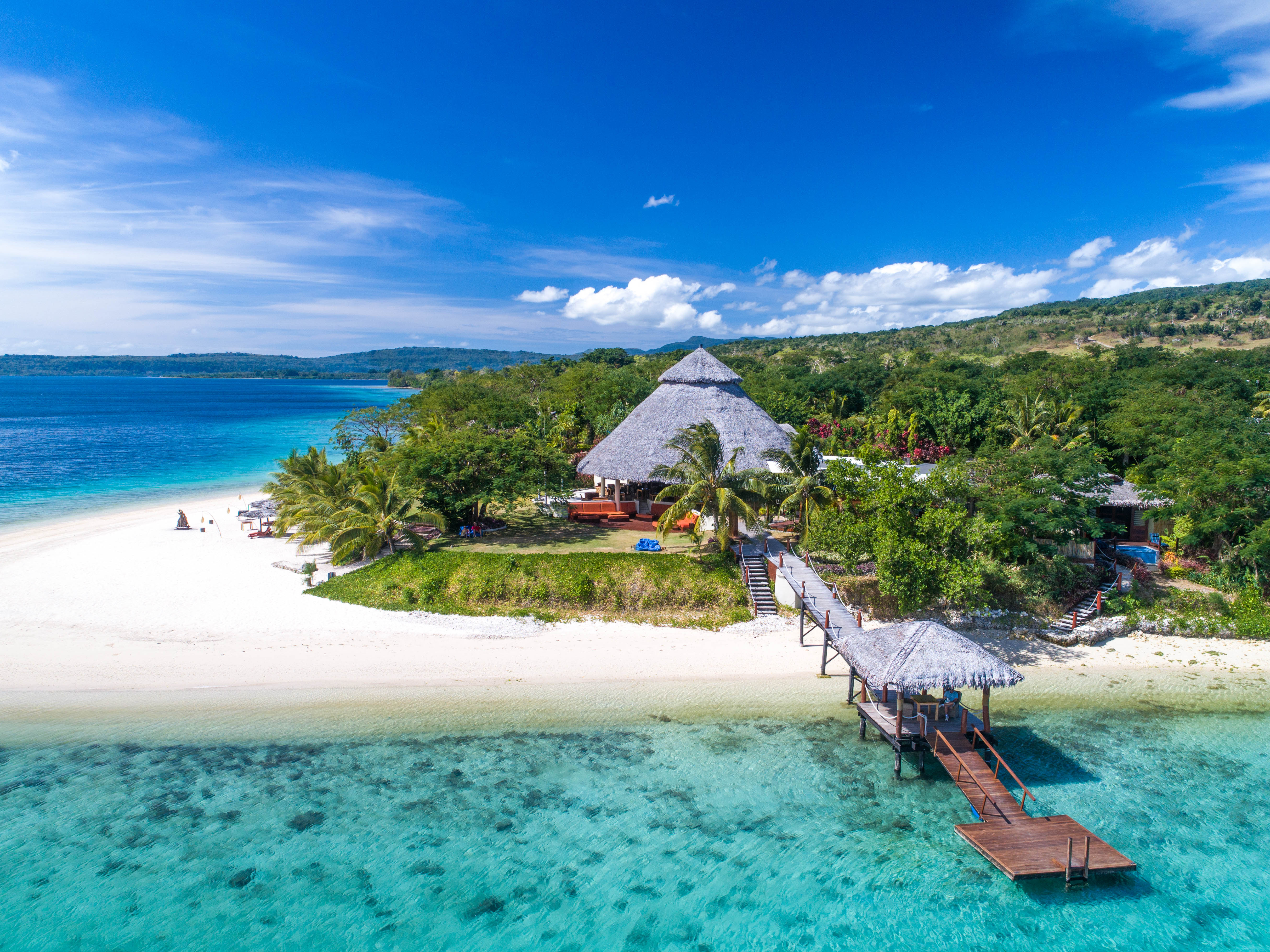
Answer the call from Vanuatu
Explore Vanuatu’s stunning islands – diving, volcanoes, beaches, culture & adventure. Plan your South Pacific holiday with official tourism guide.
In his keynote address, Semone outlined four strategic pillars that he believes will shape the next generation of tourism across the Pacific.
The first is resilienceencouraging destinations to position themselves as premium “safe haven” experiences while avoiding what he described as the “volume trap” of pursuing ever-higher visitor numbers at the expense of long-term value.
Building on that foundation, he called for meaningful tourism that moves beyond sustainability to become regenerative—creating positive outcomes for local communities protecting, cultural heritage and restoring natural ecosystems.
A third pillar, multidimensional connectivityextends beyond improved air access. Semone emphasizes stronger digital storytelling optimized for AI-powered travel discovery while ensuring that youth, women and remote communities share directly in tourism’s economic opportunities.
Finally, he discussed that regional collaboration offers the Pacific its strongest competitive advantage, enabling destinations to market and grow collectively rather than in isolation.
“The future belongs to destinations that prioritize value over volume, regenerative impact over basic sustainability, and collective regional strength over fragmented competition,” he said.
Expanding Beyond Traditional Markets
The forum highlighted how Vanuatu is broadening its tourism ambitions beyond its traditional visitor base of Australia and New Zealand by using market intelligence to target new international audiences.
Delegates explored strategies to improve destination marketing, diversify visitor segments and increase high-value travel opportunities across the Pacific.
Semone also moderated a discussion on the proposed Pacific Sky Bridgean innovative hub-and-spoke aviation concept designed to create seamless regional travel through closer cooperation between Virgin Australia, Fiji Airways, Solomon Airlines and Air Vanuatu.
If implemented, the initiative would significantly improve multi-destination travel across the Pacific while strengthening regional aviation connectivity.
Maritime Tourism Takes Center Stage
Another major focus of the forum was maritime tourism, with discussions examining how Vanuatu can strengthen its position as the South Pacific’s premier destination for cruise tourism while expanding opportunities in the growing luxury superyacht sector.
Industry leaders agreed that combining improved air links with enhanced maritime infrastructure would diversify visitor arrivals and create new economic opportunities throughout the archipelago.
Celebrating PATA’s Pacific Roots
The gathering also marked the 75th anniversary of the Pacific Asia Travel Association (PATA)a fitting celebration given that the organization was founded in the Pacific and has played a pivotal role in promoting tourism across Asia and the Pacific for more than seven decades.
A Destination Ready to Be Discovered
Reflecting on his visit, Semone praised Vanuatu’s unique blend of authentic culture, hospitality and natural beauty.
“Vanuatu doesn’t need to shout to be heard—it simply needs to be found and experienced,” he said.
“The convergence of ancient kastom traditions with French joie de vivre, the warmth of Ni-Vanuatu hospitality alongside pristine natural environments, makes this one of the Pacific’s most compelling destinations.”
Semone expressed his appreciation to the Vanuatu Tourism Office for its hospitality and leadership, acknowledging VTO executives Adela Issachar, Warren Gama and the entire tourism team. He also welcomed the opportunity to reconnect with South Pacific Tourism Organization CEO Chris Cocker during the forum.
As Vanuatu launches its new marketing strategy and strengthens partnerships across the region, the Tourism Market Forum demonstrated that the country is no longer focused solely on rebuilding—it is setting an ambitious course to become one of the Pacific’s leading examples of sustainable, regenerative and collaborative tourism development.
“Tankyu tumas,” Semone concluded, expressing his enthusiasm for returning to Vanuatu and the wider Melanesian region.