


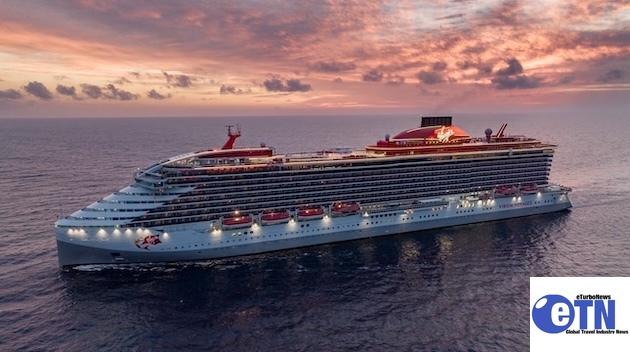
Turkey has barred an LGBTQ+ cruise carrying more than 1,000 predominantly American passengers from docking, citing “moral values” and “family standards.” The decision highlights growing divisions over LGBTQ+ rights, drawing comparisons with anti-LGBTQ+ policies in Uganda and the irony that many US LGBTQ+ travelers increasingly look to Europe for greater acceptance.
Turkish authorities have blocked a Virgin Voyages cruise ship chartered by LGBTQ+ travel company Atlantis Events from docking in Kuşadası and Istanbul, citing “moral standards” and “family values.” The Scarlet Ladycarrying predominantly American LGBTQ+ passengers, was due to depart Athens on July 5 before stopping in Turkey, but the itinerary has now been changed to include Egypt and Crete instead.
Aydın provincial officials said the Kuşadası stop was canceled because the chartered group was allegedly associated with behavior “incompatible” with Turkey’s social structure and moral values. Atlantis Events CEO Rich Campbell called the decision unprecedented in the company’s 36-year history, saying the ship was rejected “because of who we are.”
The case carries a bitter irony: many LGBTQ+ travelers from the United States have increasingly looked to Europe as a safer, more inclusive alternative amid a wave of anti-LGBTQ+ legislation in US states, many of them Republican-led. The ACLU and Movement Advancement Project have tracked hundreds of state-level bills affecting LGBTQ+ rights in 2026, while travel experts report that some LGBTQ+ Americans are choosing European trips not only for holidays, but also to explore possible relocation.
The Turkish decision is not without precedent. In 1998, Grand Cayman refused an Atlantis gay cruise, claiming passengers might not show “appropriate behavior.” In 2000, Turkish police prevented gay tourists from visiting Kuşadası and Ephesus, after which Turkey’s tourism minister reportedly apologized.
Turkey’s move also fits a broader global pattern of LGBTQ+ restrictions framed as the defense of tradition, morality, or family. Uganda remains one of the strongest examples: its 2023 Anti-Homosexuality Act allows life imprisonment for same-sex acts and the death penalty for “aggravated homosexuality,” while Human Rights Watch says LGBT people remain at high risk of arbitrary arrests, extortion, and abuse.
Yet the global picture is not only bleak. Western Europe remains one of the safest regions for LGBTQ+ travelers, according to the 2026 LGBTQ travel risk map, and countries such as Malta, Iceland, Spain, Germany, and the Netherlands rank among the most welcoming destinations. Recent progress has also included marriage equality in Thailand and Liechtenstein, Lithuania’s first same-sex civil partnership, and decriminalization advances in places such as Botswana and St. Lucia.
Cruises by Virgin Voyages | Itineraries & Experiences | Virgin Voyages
From sun-soaked Caribbean cruises to iconic European ports, Virgin Voyages offers unforgettable cruise experiences. Plan your escape, explore our cruises.
For the passengers aboard the Scarlet Ladythe rerouting may be a logistical inconvenience. But symbolically, the message is larger: LGBTQ+ travelers are still being asked to navigate a world where their money is welcome in some places, their visibility is celebrated in others, and their very presence is treated as a threat elsewhere.