


Brunei Darussalam, the “Abode of Peace,” remains one of ASEAN’s least-known tourism destinations despite its pristine rainforests, exceptional safety, and rich cultural heritage. Now, a new Global Sustainable Tourism Council (GSTC) certification initiative signals the country’s commitment to sustainable tourism and positions Brunei as an emerging ecotourism destination in Southeast Asia.
While Southeast Asia continues to break tourism records, one ASEAN member remains largely absent from the global travel conversation. Brunei Darussalam—literally meaning “The Abode of Peace”—is one of the world’s wealthiest nations, yet one of the least-visited countries in ASEAN.
Unlike its neighbors Thailand, Malaysia, Indonesia, Vietnam, and Singapore, Brunei has never embraced mass tourism. Instead, the tiny sultanate has quietly protected its rainforests, preserved its cultural identity, and maintained one of the safest societies in Asia.
Today, however, Brunei is seeking greater international recognition—not through mega-resorts or entertainment complexes, but through sustainability, conservation, and responsible tourism.
Sustainability Becomes the New Tourism Strategy
Brunei’s Tourism Development Department, in collaboration with the Forestry Department, has launched a one-year Global Sustainable Tourism Council (GSTC) certification project for two of the country’s premier ecotourism destinations.
The initiative covers Ulu Temburong National Park in Brunei’s “Green Jewel” district of Temburong and Luagan Lalak Recreational Park in the oil-rich Belait District.
According to the Tourism Development Department, the project aims to strengthen sustainable management in line with internationally recognized GSTC standards.
The certification also supports Brunei Vision 2035, the Brunei Tourism Industry Roadmap 2024–2035, and the United Nations Sustainable Development Goals (SDGs), promoting environmental stewardship, community well-being, and sustainable economic development.
Why Has Brunei Remained Under the Radar?
For decades, Brunei, a strict Islamic country, simply did not need tourism.
Oil and natural gas revenues allowed the government to build one of Southeast Asia’s highest standards of living without relying on visitor arrivals. While neighboring countries invested heavily in beaches, nightlife, shopping, and international tourism campaigns, Brunei concentrated on preserving its forests, Islamic heritage, and quality of life.
The result is a country that remains authentic, uncrowded, and environmentally intact—but one that many international travelers know little about.
International media attention in 2019 over Brunei’s implementation of aspects of the Syariah Penal Code also affected its tourism image, despite government assurances that a long-standing moratorium on the death penalty remains in force.
Combined with the COVID-19 pandemic and relatively limited international air connections, Brunei largely disappeared from the tourism spotlight.
Abode of Peace – Brunei Tourism Official Site
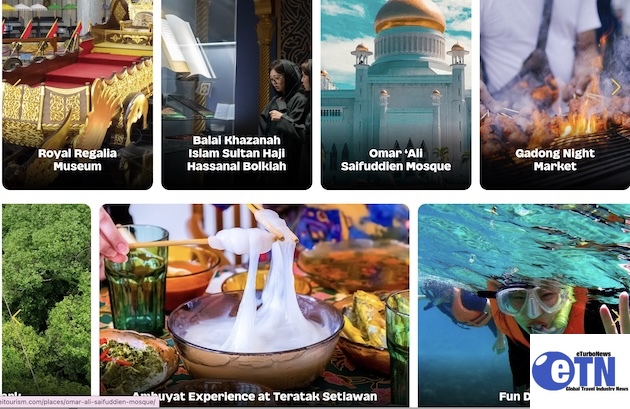
The Abode of Peace Where peace finds you. Emerald rainforests, golden domes, flowing rivers, and open-hearted welcomes. Discover why Brunei is the Abode of Peace. Top things to see and do Experience Brunei’s unique blend of sights, culture, and scenic beauty. Balai Khazanah Islam Sultan Haji Hassanal Bolkiah Gadong Night Market Royal Regalia Museum Omar ‘Ali […]
Who Visits Brunei?
Most visitors arrive from neighboring Malaysia, followed by Singapore, China, Indonesia, and the Philippines. Business travelers connected to the energy sector remain an important market, while ecotourists, wildlife enthusiasts, diverse, photographers, and travelers seeking authentic rainforest experiences represent a growing niche.
Brunei appeals to visitors looking for something increasingly rare in Southeast Asia:
- Ancient tropical rainforests
- Authentic Malay culture
- Spectacular mosques and Islamic architecture
- Water villages that have existed for centuries
- Exceptional biodiversity
- Peace, safety, and an absence of overtourism
One of Asia’s Safest Countries
Safety remains one of Brunei’s greatest tourism assets.
Violent crime is extremely uncommon, infrastructure is modern, roads are excellent, healthcare is of a high standard, and political stability has endured for decades.
Visitors should respect local customs. As a conservative Muslim nation, modest dress is encouraged, alcohol is generally unavailable for public sale, and local traditions are observed throughout daily life.
For many travelers, these characteristics contribute to Brunei’s unique identity rather than limiting its appeal.
Tourism Without Crowds
Few countries can still offer genuine solitude in nature.
Ulu Temburong National Park protects one of Borneo’s oldest untouched rainforests, where visitors travel by river before climbing into the rainforest canopy for panoramic views over pristine jungle.
Nearly 70 percent of Brunei remains forested—a remarkable conservation achievement in one of the world’s fastest-developing regions.
The government’s pursuit of GSTC certification signals that Brunei intends to become an internationally recognized leader in sustainable tourism rather than a mass-market destination.
The State of Tourism
Brunei’s tourism industry remains modest by regional standards, but that may increasingly become its competitive advantage.
As travelers look beyond crowded destinations in search of authenticity, sustainability, and meaningful experiences, The Abode of Peace offers exactly what its name promises: tranquility, untouched nature, and genuine hospitality.
Rather than competing with ASEAN’s tourism giants, Brunei is carving out a distinctive identity—one built on conservation, quality, and responsible travel. The new GSTC initiative is another step towards ensuring that Brunei’s future tourism growth protects the very assets that make the country unlike anywhere else in Southeast Asia.