


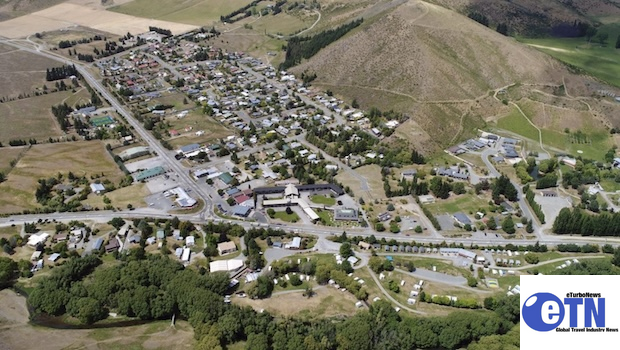
Ōmārama, a tiny alpine town in New Zealand’s South Island, is emerging as one of the country’s most captivating hidden tourism gems. Known for gliding, dark skies, hot tubs, and the dramatic Clay Cliffs, the “place of light” offers authentic slow travel while balancing the opportunities and pressures of rising tourism.
In the heart of New Zealand’s South Island, between the tourist magnets of Queenstown and Aoraki/Mount Cook, lies a small alpine town many travelers speed through without realizing what they are missing. Ōmārama — whose Māori name means “place of light” — is emerging as one of New Zealand’s most compelling hidden tourism gems.
Long known among pilots, cyclists, and anglers, the tiny Mackenzie Basin settlement is now attracting a new generation of travelers searching for authenticity, dark skies, slow tourism, and experiences beyond overcrowded hotspots.
Recent reporting by New Zealand media has highlighted both the opportunities and growing pains of that success. A feature in New Zealand’s Stuff described Ōmārama as a “hidden gem” where tourism is thriving, while locals increasingly struggle with rising rates and property pressures tied to visitor demand.


Explore Ōmārama – Waitaki, New Zealand
Ōmārama, the “place of light,” offers gliding, stargazing, the stunning Clay Cliffs, outdoor adventures, and relaxing hot tubs with breathtaking alpine views.
What makes Ōmārama remarkable is not just the scenery — although the scenery is extraordinary — but the atmosphere. This is not Queenstown’s adrenaline-fueled spectacle or Rotorua’s packaged geothermal tourism. Ōmārama remains deeply connected to the rhythms of rural New Zealand.


A Town Built on Sky and Silence
Nestled in a broad basin beneath the Southern Alps, Ōmārama has quietly become one of the world’s elite gliding destinations. The unique wind conditions created by the mountains generate powerful wave systems that attract pilots from around the globe. World records have been pursued here, and on clear days gliders soar for hundreds of kilometers above the alpine spine of the South Island.
But visitors do not need to be aviators to understand the town’s appeal. The skies themselves are part of the attraction. Ōmārama sits beneath some of the clearest night skies in the Southern Hemisphere, with stargazing becoming a major tourism draw. Tourism New Zealand describes the region as a place where “the nights are so black” that celestial viewing becomes unforgettable.
Social media has accelerated the town’s rise. Instagram travel creators increasingly showcase outdoor hot tubs under star-filled skies, the surreal Clay Cliffs, and endless golden tussock landscapes that appear almost cinematic. The aesthetic fits perfectly into the modern traveler’s search for wellness, remoteness, and “undiscovered” destinations.


The Clay Cliffs Effect
Perhaps no attraction symbolizes Ōmārama’s emergence better than the Clay Cliffs. Hidden down a gravel road outside town, the towering pinnacles and narrow ravines resemble a fantasy film set more than a geological formation.


Formed over millions of years by glacial activity, the cliffs are now part of the Waitaki Whitestone UNESCO Global Geopark. Tourism authorities describe them as one of the South Island’s most striking natural wonders.
Visitors arrive expecting a quick photo stop and often end up spending hours exploring the maze-like formations. Drone footage shared on TikTok and Instagram has transformed the site from local curiosity into a bucket-list destination for international travelers.
Yet unlike many global tourist attractions, the Clay Cliffs still feel largely untouched. There are no massive visitor centers, souvenir villages, or ticketing complexes. The simplicity is part of the magic.
Luxury Without Pretension
Ōmārama’s tourism boom is also being shaped by a new form of understated luxury. The town has become known for private outdoor hot tubs filled with mountain water, designed for travelers seeking relaxation rather than spectacle.


Cyclists traveling the Alps 2 Ocean Trail — one of New Zealand’s premier long-distance cycle routes — increasingly stop in town for recovery days, boutique accommodation, and locally sourced food.
This quieter style of tourism reflects broader global trends. Travelers are increasingly moving away from crowded destinations toward places promising nature, wellness, sustainability, and emotional connection. In many ways, Ōmārama represents the future of New Zealand tourism more than its famous tourism capitals do.
Success Comes With Tension
But paradise carries complications.
As tourism grows, so do concerns about affordability and community sustainability. Media coverage has highlighted tensions familiar across global tourism destinations: rising property prices, pressure on infrastructure, and the challenge of preserving local identity while welcoming visitors.
The issue is not unique to Ōmārama. Across New Zealand, smaller tourism towns are wrestling with similar pressures. Communities once considered remote are suddenly desirable to investors, remote workers, and tourism operators.
What makes Ōmārama particularly vulnerable is its scale. This remains a very small town. Rapid tourism growth can quickly reshape community dynamics, especially when housing stock is limited and local services are modest.
Yet many residents also recognize tourism as an economic lifeline. Travelers support cafés, accommodation providers, adventure operators, and local jobs. The challenge lies in achieving balance before the town loses the qualities that made it special in the first place.
The New Face of New Zealand Tourism
For decades, New Zealand’s international marketing focused heavily on iconic locations such as Queenstown, Milford Sound, and Aoraki/Mount Cook. But travelers today increasingly seek something less polished and more personal.
Ōmārama delivers exactly that.
It offers dramatic landscapes without the crowds, adventure without commercialization, and luxury without excess. Visitors come for gliding, cycling, fishing, hiking, photography, and dark skies — but many leave talking instead about the feeling of the place: the silence, the openness, the light.
In a world where overtourism threatens many famous destinations, tiny Ōmārama may represent a new tourism ideal — if it can protect the fragile balance between prosperity and preservation.
For now, the “place of light” still feels like a secret whispered among travelers lucky enough to stop instead of simply driving through.