


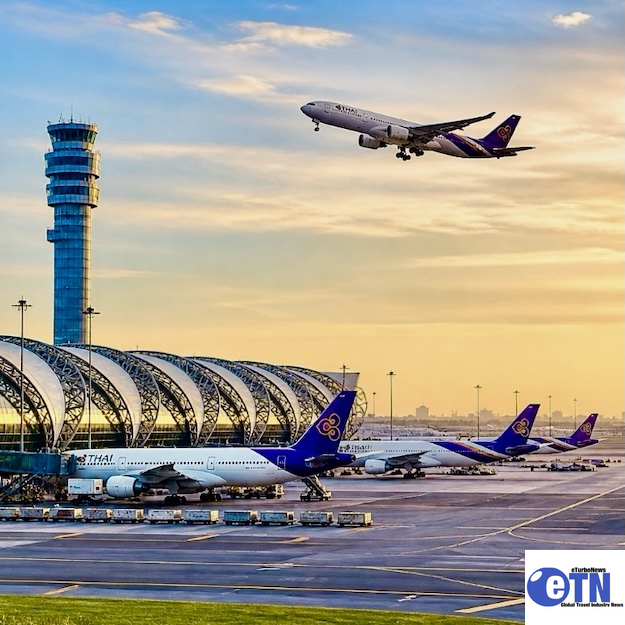
Thailand’s proposed airport charge increase is drawing criticism from tourism operators already struggling with rising costs and slower demand. Industry leaders warned that higher traveler fees could weaken Thailand’s regional competitiveness as countries like Vietnam expand aggressively with lower costs and stronger tourism support policies across Asia.
Thailand’s tourism industry has long lived with a simple assumption: no matter the crisis, travelers would eventually return in overwhelming numbers.
That assumption is beginning to look less certain.
As regional competition intensifies and operating costs climb across the sector, Thailand now faces a more uncomfortable reality. Tourism in Asia is no longer defined by post-pandemic pent-up demand. It is becoming a contest of affordability, convenience and perceived value — and Thailand is entering that contest carrying heavier costs than many of its rivals.
Against that backdrop, the proposed 53 percent increase in airport passenger charges has triggered growing unease across the country’s tourism industry.
Suvarnabhumi Airport | Bangkok International airport of Thailand | BKK
Suvarnabhumi Airport (BKK) is Thailand’s main airport. Both departure and arrival flights are available to/from domestic and foreign destinations, operated by airlines around the world. In addition, you can easily reach major attractions in Bangkok such as Yaowarat Road via car rental or public transportation, relax along the Chao Phraya River or dine at Michelin-starred restaurants.
For many businesses, the issue is not simply the fee itself. It is what the increase represents at a particularly fragile moment for the broader travel economy.
Hotels across Thailand continue to struggle with rising labor and utility costs. Airlines remain squeezed by volatile fuel prices and intense regional route competition. Smaller tour operators, many weakened by years of instability and disrupted visitor flows, are still rebuilding balance sheets damaged during the pandemic years.
Yet even as large parts of the tourism sector struggle merely to maintain last year’s performance, Thailand’s airport authority appears poised to extract significantly more revenue from travelers.
Airports of Thailand, or AoT, reportedly generated profits of roughly THB 25 billion — about USD 778 million — last year. Within the industry, that figure has sharpened a difficult question: if the airport authority is already highly profitable, why pursue such an aggressive increase now?
The concern among many tourism operators is less about infrastructure investment itself than about timing, balance, and perception.
Few dispute the importance of continued airport modernization. Thailand’s aviation network has been central to the country’s rise as one of the world’s most visited destinations. Suvarnabhumi Airport, in particular, transformed Thailand’s global connectivity when it opened nearly two decades ago.
Nor are passenger service charges new. Thailand has imposed various forms of departure and airport taxes for decades, gradually integrating them into airline ticketing systems as the country modernized its aviation infrastructure during the 2000s.
But the history of tourism-related levies also reflects a recurring pattern familiar to many long-term industry observers.
Having lived and worked in Thailand since 1991, I have seen repeated efforts to increase tourism taxes and passenger fees whenever infrastructure spending pressures emerge or government revenues tighten. Some proposals disappear quietly. Others re-emerge years later under different names or collection systems.
What makes the current debate more sensitive is the competitive landscape Thailand now faces.
Vietnam, once viewed primarily as an emerging alternative destination, is rapidly becoming a formidable regional competitor. The country continues expanding aggressively, supported by lower operating costs, substantial government backing and fewer direct costs imposed on international travelers.
Elsewhere across Asia, governments are moving aggressively to stimulate tourism demand, simplify entry requirements and reduce travel friction.
Thailand, by contrast, risks moving in the opposite direction.
To many travelers, an additional airport charge folded into an airline ticket may appear insignificant. But tourism executives increasingly argue that competitiveness is shaped not by one fee alone, but by cumulative perception.
Today’s travelers compare destinations instantly and globally. Airfares, visa policies, airport taxes, hotel pricing and exchange rates collectively shape decisions about where holidays are booked and where airlines allocate capacity.
Thailand can no longer assume it will automatically remain Southeast Asia’s default leisure destination simply because of its historical popularity, reputation and goodwill.
That reality carries particular importance because tourism remains one of Thailand’s most critical economic engines, supporting millions of jobs across hotels, restaurants, retail, transport and entertainment.
In periods of softer global demand, industry leaders argue, policy should focus on strengthening competitiveness, stimulating travel and reducing barriers for visitors — not adding new costs, however modest they may initially appear.
Airport modernization will remain essential. Infrastructure investment cannot simply stop.
But in an increasingly competitive regional market, tourism operators are asking whether the balance between investment, profitability and affordability is beginning to tilt too far in the wrong direction.
And in a business where travelers now weigh every destination against dozens of alternatives, even small additional costs can matter more than authorities expect.