


Confusion grips global markets after Iran reopens Strait of Hormuzonly for tanker traffic to abruptly reverse course amid unclear signals from Donald Trump. Mixed messaging raises doubts about de-escalation and stability in a critical global energy corridor.
Just hours after Iran announced the reopening of the strategically vital Strait of Hormuz, fresh uncertainty has emerged following conflicting signals from Donald Trump and US naval operations in the region. Iran apparently had had enough of broken promises and decided to close the gates again.
Earlier in the day, Trump hailed what he described as a “great day,” appearing to celebrate de-escalation efforts tied to a reported ceasefire involving Iran and regional actors. However, optimism quickly faded when multiple oil tankers reportedly received orders to reverse course, executing abrupt 180-degree turns away from the strait. Unconfirmed reports about ceasefire violations by Israel in Lebanon are floating on social media.
The sudden maneuver raised complicated questions about whether Washington had truly committed to easing tensions—or whether mixed messaging from the White House had once again an already fragile situation.
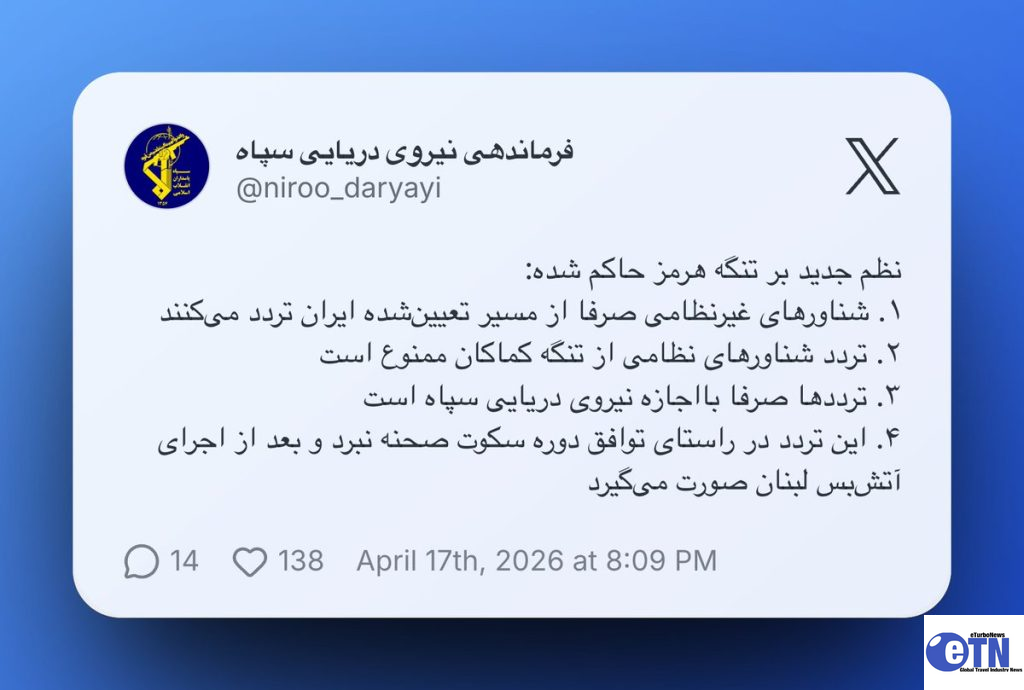
Iran Declares “New Order” Over Waterway
According to statements broadcast by Iranian state media, the Islamic Revolutionary Guard Corps (IRGC) Navy has imposed a “new order” governing all maritime traffic through the strait.
Iranian officials emphasize that:
- All commercial vessels must follow routes designated by Iranian authorities
- Military vessels remain strictly barred from transit
- Passage requires explicit authorization from IRGC naval forces
The measures were described as part of the framework of an ongoing ceasefire agreement, which Iranian officials claim includes coordination with the United States.
Iran’s Foreign Minister Abbas Araghchi had announced earlier that commercial shipping lanes were open again, but only under tightly controlled conditions. Officials reiterated that the reopening does not imply unrestricted access.
Mixed Signals From Washington

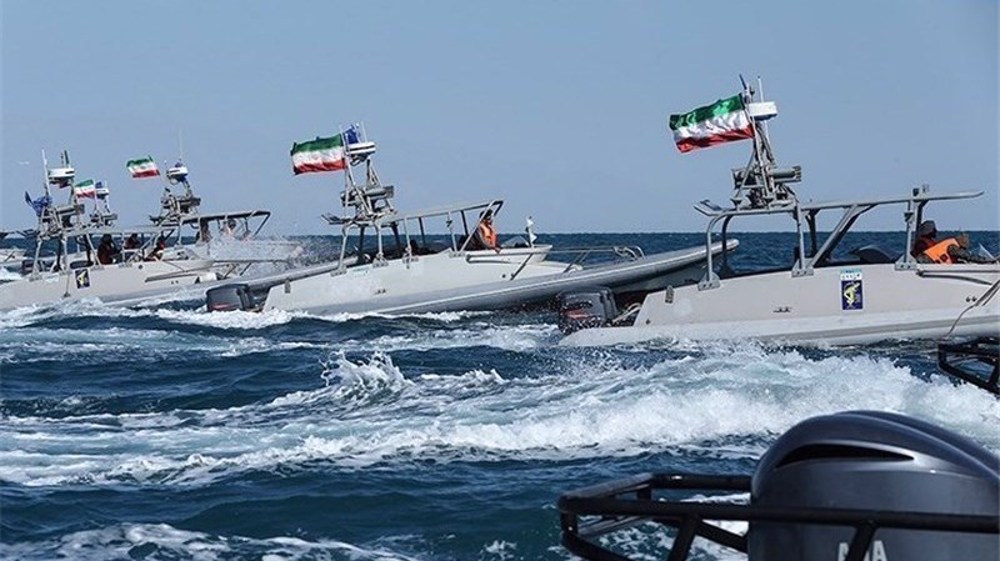
New order in Strait of Hormuz: IRGC Navy mandates authorization for all vessels
IRGC Navy says a “new order” is now in place over the strategic Strait of Hormuz, outlining strict new regulations for all maritime traffic.
Despite Iran’s assertions of structured reopening, reports of US-directed tanker reversals suggest that a naval posture change—particularly the rollback of a previously discussed blockade—may not have materialized.
Trump’s earlier remarks praising the situation now appear at odds with operational developments at sea. Critics argue the administration may be seeking political credit for de-escalation without fully committing to the necessary policy adjustments.
Iranian naval commander Shahram Irani dismissed US actions outright, calling the idea of a blockade ineffective and accusing Washington of “banditry and piracy.” He further claimed that Iranian forces continue to deny access to US and allied military vessels in nearby waters.
Strategic Stakes Remain High
The Strait of Hormuz remains one of the most critical chokepoints in the global economy, with roughly 20% of the world’s oil supply passing through it. Any disruption—or even uncertainty—can have immediate ripple effects on energy markets and geopolitical stability.
Experts note that Iran’s geographic positioning gives it significant leverage over the northern portion of the strait, reinforcing its ability to enforce the newly announced restrictions.
A “Great Day” Unravels
What began as a cautiously hopeful moment has quickly developed into confusion and renewed tension. The apparent contradiction between diplomatic messaging and military activity has left observers questioning whether the situation represents genuine progress—or yet another cycle of escalation driven by miscommunication.
For now, the waters of the Strait of Hormuz remain officially open—but the dozens of tankers heading to the strait were doing seen a 180-degree turn back to safety.