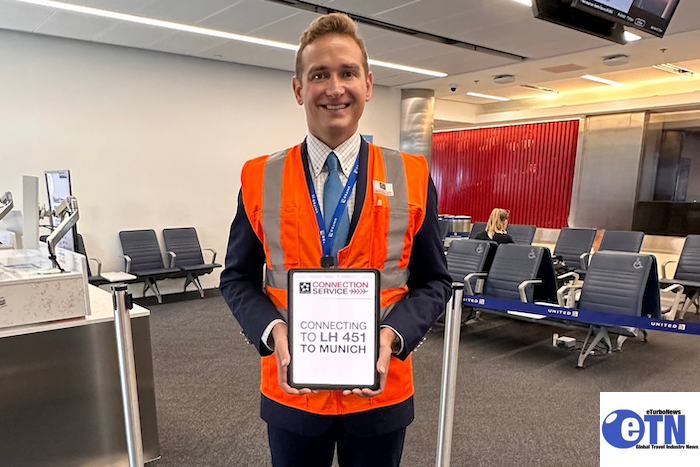
Star Alliance has strengthened its position in seamless global travel with the opening of a new Connection Center at Los Angeles International Airport. Designed to proactively assist passengers with tight connections, the facility highlights a growing divide between alliances, with Oneworld and SkyTeam relying more on premium services and digital solutions.
Los Angeles, CA – In the increasingly competitive world of global airline alliances, seamless connectivity has become the defining battleground. With passengers demanding smoother transfers, tighter connections, and less stress, alliances are racing to turn complex multi-airline journeys into frictionless experiences.
Today, Star Alliance has taken a decisive step forward with the opening of its newest Star Connection Center (SCC) at Los Angeles International Airport (LAX)—its ninth worldwide.
But how does this move compare with what competitors oneworld and SkyTeam offer?
Star Alliance: Proactive, Hands-On Connectivity
With more than 350,000 annual connecting passengers between Star Alliance carriers at LAX, the airport ranks among the alliance’s most critical global hubs.
The newly opened SCC is designed with a clear mission: intervene before disruption becomes a missed connection.
Key features include:
- Proactive passenger tracking: Dedicated agents monitor tight connections in real time
- On-the-ground assistance: Staff meet passengers directly at arrival gates
- Fast track coordination: Immediate rebooking or expedited transfers when delays occur
- Integrated airline cooperation: Multiple member airlines operating as one unified team
As Ambar FrancoVice President of Customer Experience, explained:
“Every moment matters when connections are tight… our goal is to make multi-airline journeys feel seamless.”
This approach reflects over a decade of operational refinement. Star Alliance now operates connection centers across major hubs, including Frankfurt, Chicago, Brussels, and Toronto, alongside baggage-focused facilities in Houston, Newark, Washington Dulles, and San Francisco.
At LAX alone, 16 member airlines—including Lufthansa, Singapore Airlines, United, and ANA—operate collectively 2,000+ weekly flights to 80+ destinations.
oneworld: Premium Integration, Less Centralized Control
oneworld takes a different approach, focusing more on premium passenger experience and co-location strategies rather than centralized connection centers.
Strengths:
- Shared premium lounges (eg, flagship lounges at Heathrow, JFK, Doha)
- Co-located terminals in major hubs to reduce transfer times
- Strong joint ventures (eg, American Airlines–British Airways, Qantas–Emirates partnerships)
Limitations:
- No equivalent global “connection center” system
- Less proactive intervention for disrupted connections
- Reliance on individual airlines rather than alliance-wide coordination
oneworld excels in delivering a high-end experience for business and first-class travelersbut its model is less focused on real-time operational rescue for tight connections.
SkyTeam: Digital Innovation Over Physical Intervention

SkyTeam leans toward technology-driven solutions rather than physical connection centers.
Strengths:
- Digital tools and apps for rebooking and connection updates
- Hub efficiency at airports like Paris CDG, Amsterdam Schiphol, and Seoul Incheon
- Airline led service recoveryparticularly through major carriers like Delta and Air France-KLM
Limitations:
- No dedicated alliance-wide connection centers like Star Alliance
- Less visible “human touch” during tight connections
- Passenger experience can vary depending on the operating airline
SkyTeam’s strategy reflects a belief that technology and hub design can solve most connection challenges—although it may lack the immediacy of in-person intervention.
The Competitive Verdict: A Clear Differentiator
The opening of the LAX Star Connection Center highlights a key strategic divide:
| Alliance | Core Strategy | Passenger benefit |
|---|---|---|
| Star Alliance | Physical connection centers + proactive staff | Hands-on, real-time assistance |
| oneworld | Premium services + co-location | Seamless luxury experience |
| SkyTeam | Digital tools + hub optimization | Efficient, tech-enabled transfers |
Star Alliance stands out for its sake operational depth and human intervention model—particularly valuable when disruptions occur.
A Network Built for Complexity
The LAX SCC underscores Star Alliance’s broader philosophy:
treat the alliance as a single airline when it matters most.
Behind the scenes, sophisticated software identifies at-risk passengers, while frontline teams coordinate across airlines to ensure connections are protected—or recovered swiftly.
For travelers navigating increasingly complex global itineraries, this could mean the difference between making a flight or missing it.
Conclusion: Raising Expectations Industry-Wide
As global travel rebounds and itineraries grow more intricate, alliances are under pressure to deliver not just connectivity—but confidence.
With its new LAX facility, Star Alliance is sending a clear message:
the future of airline alliances lies in seamless, proactive, and unified service.
The question now is whether oneworld and SkyTeam will respond—not just with better lounges or smarter apps, but with equally robust, alliance-wide solutions on the ground.