


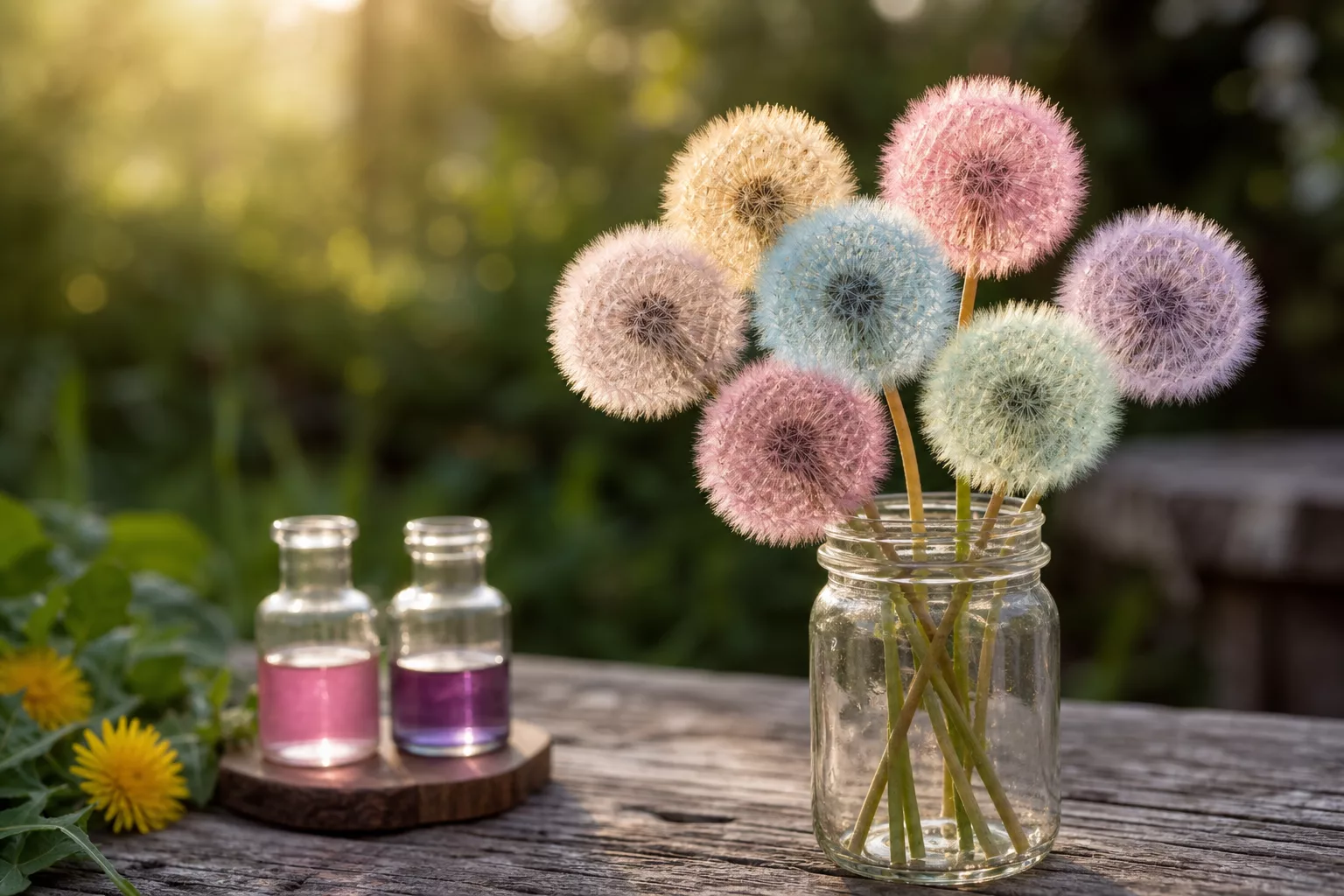
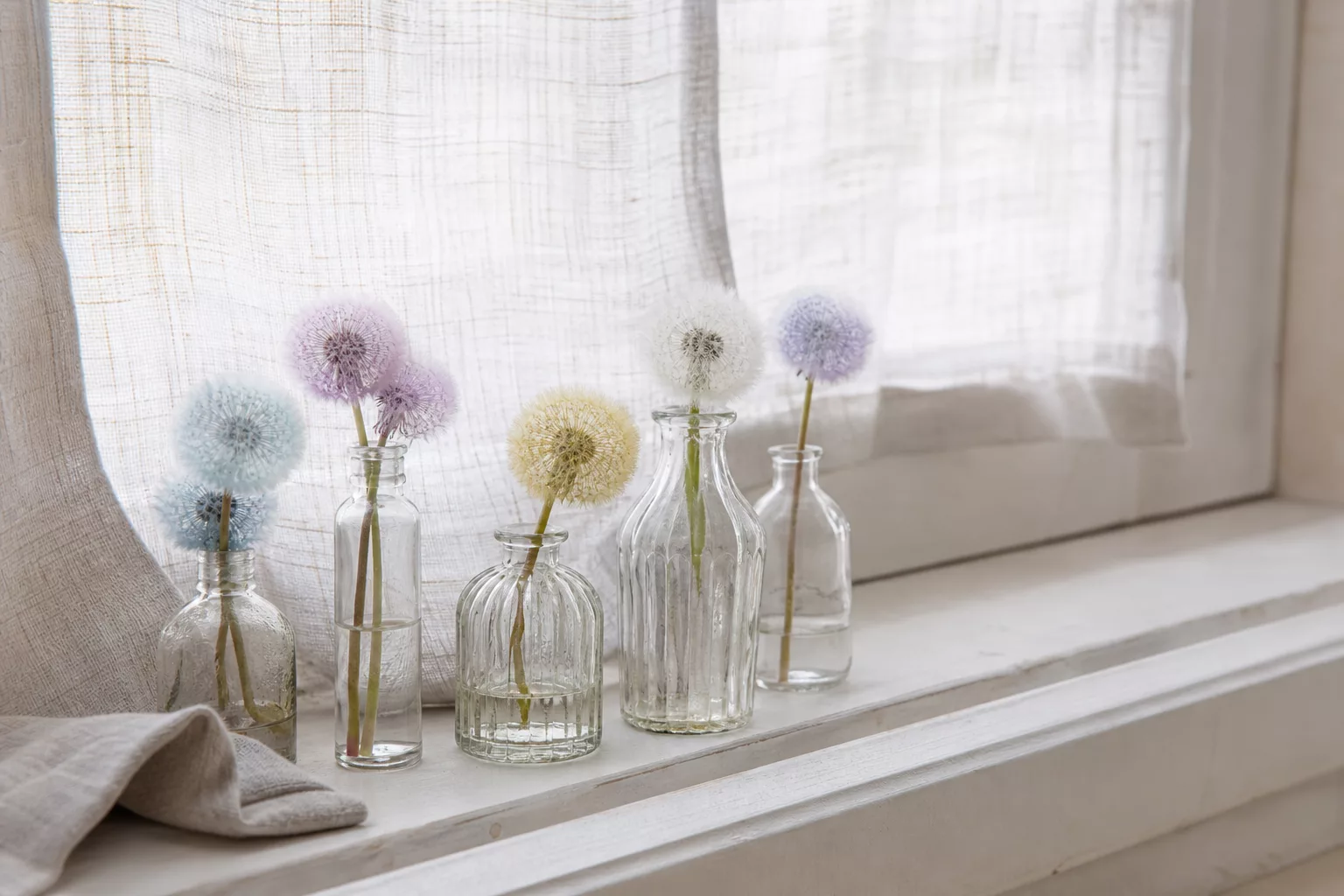
Dyeing dandelions transforms the familiar dandelion seed head into delicate decorations in pink, lilac or mint – using ingredients that you almost all already have in the kitchen. All you need is some fresh dandelions, food coloring, some vinegar and hot water. In these instructions I will show you step by step how the delicate umbrellas absorb the paint evenly without sticking and how you can avoid the most common mistakes from the outset.
In short
- Maturity level – Collect half-closed, not yet fully bloomed dandelions; they color more evenly than those that are fully open.
- Color bath – A little hot water with plenty of food coloring and 2-3 tablespoons of vinegar as a fixative produces strong, long-lasting tones.
- Dive – Dip the flower upside down for just 5-7 seconds, then let it dry until it opens completely.
- Fix – Only spray with hairspray from a distance after opening, otherwise the fine seed hairs will stick together.
Why dyeing dandelions is the perfect summer DIY
Hardly anyone passes a dandelion without briefly becoming a child. It’s exactly this feeling that makes coloring so appealing: a weed from the side of the road becomes a decoration that looks like it came from a dried flower shop – only it costs almost nothing.
The project is ideal for families. Children can collect, choose colors and watch them dry. Only the hot dye bath belongs in adult hands. An afternoon in the garden is all it takes to get a result that will last on the windowsill for weeks. Anyone who has ever wanted to make an XXL dandelion for the garden can find the delicate miniature version for the room here.
The best time is spring to early summer, when the meadows are full of dandelions. Then you have a free choice of colors and can create an entire range in one go.

What you need: Material for colorful dandelions
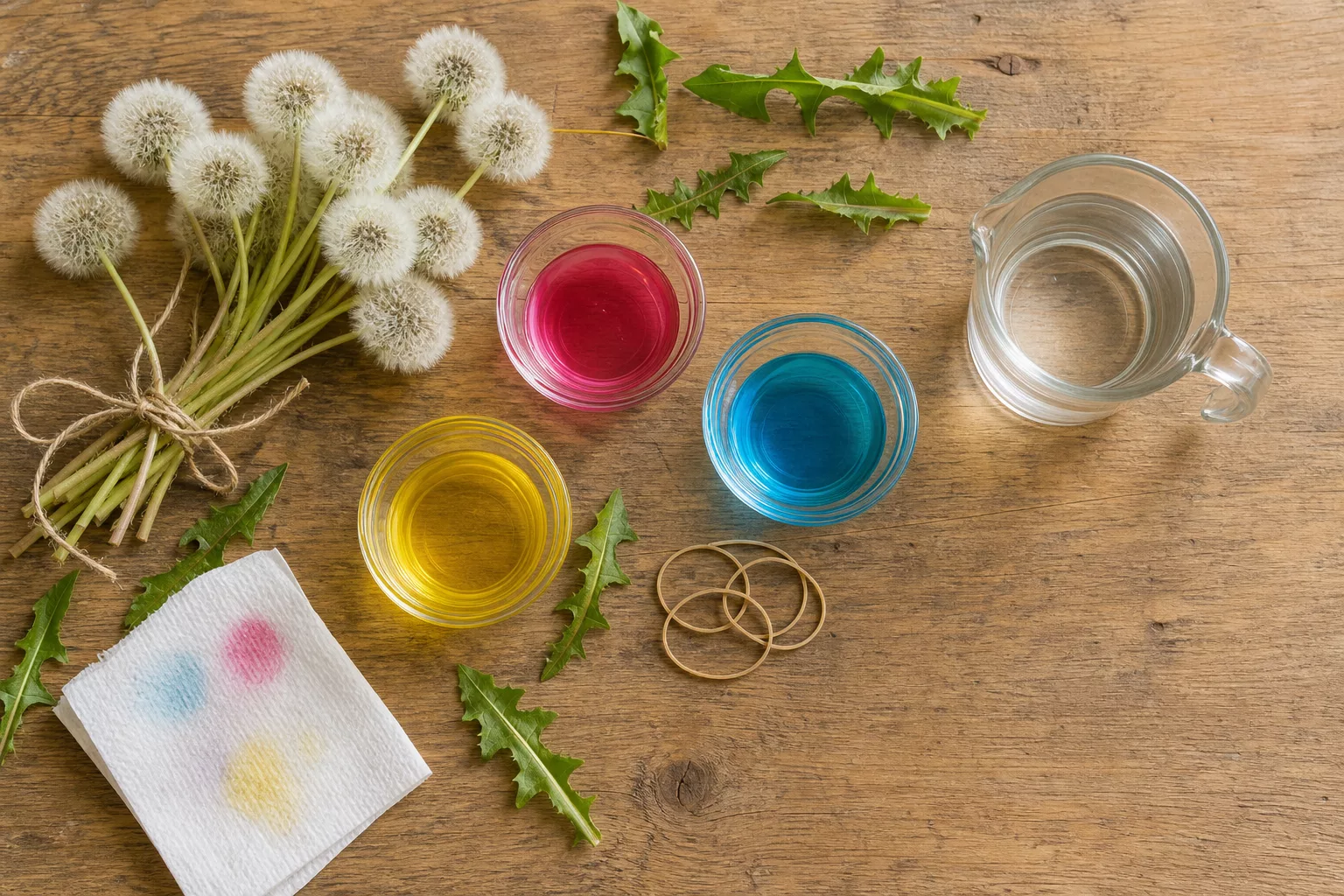
The list of materials is short, but one point determines success or frustration – the level of maturity of the flower. Choose seed heads that have just opened and still appear slightly closed. They are more stable when dipped and absorb the paint more cleanly than a fully inflated, airy ball.
- Fresh dandelions – half open, picked dry, best in the late morning
- Thin wire or wooden skewer – to stabilize the hollow stem
- food coloring – in several tones, liquid or as a gel paste
- Vinegar – 2-3 tablespoons per color bath, fixes the color
- Little hot water – a small cup per color is enough
- Hairspray – optional for fixing after drying
- Glass, cup or Styrofoam – as a drying rack
A practical tip: Prepare a separate small container for each color. This way the tones don’t mix and you can dip several dandelions in a row before the water cools down.
Step-by-step instructions for coloring dandelions
Once everything is ready, the actual dyeing process takes just a matter of minutes. Work quickly but carefully – the umbrellas are sensitive.
1. Prepare flowers
Pick the dandelions with the stem as long as possible and leave them in the air for a short time. Then carefully push a thin wire or wooden skewer from below into the hollow stem, just below the flower. This provides support and prevents the soft handle from bending when diving.
2. Prepare dye bath
Heat a small amount of water – deliberately a little, because the more concentrated the solution, the more intense the color. Generously stir in food coloring and add 2-3 tablespoons of vinegar. The vinegar ensures that the color adheres better and does not fade as quickly. If you want to work very cleanly, dip the flower heads briefly in cold, clear water beforehand – this rinses out dust and pollen and the color is absorbed more evenly later.
3. Immersion and timing
Hold the dandelion upside down, i.e. with the opening facing downwards, and dip it into the hot dye bath. Five to seven seconds is enough. It doesn’t have to be longer – on the contrary, bathing for too long softens the fine fibers. Slowly pull out the flower and allow excess water to drip off briefly.
4. Dry and fix
Place the colored dandelion in a glass to dry or insert the skewer into a piece of Styrofoam. Now it’s time to wait and see: After a few hours, the flower will open completely and show its new color in all its glory. Only then – and not a second earlier – is the hairspray used. Shake the can vigorously and spray a fine mist over it from a good distance. This means the ball remains stable for longer without sticking.
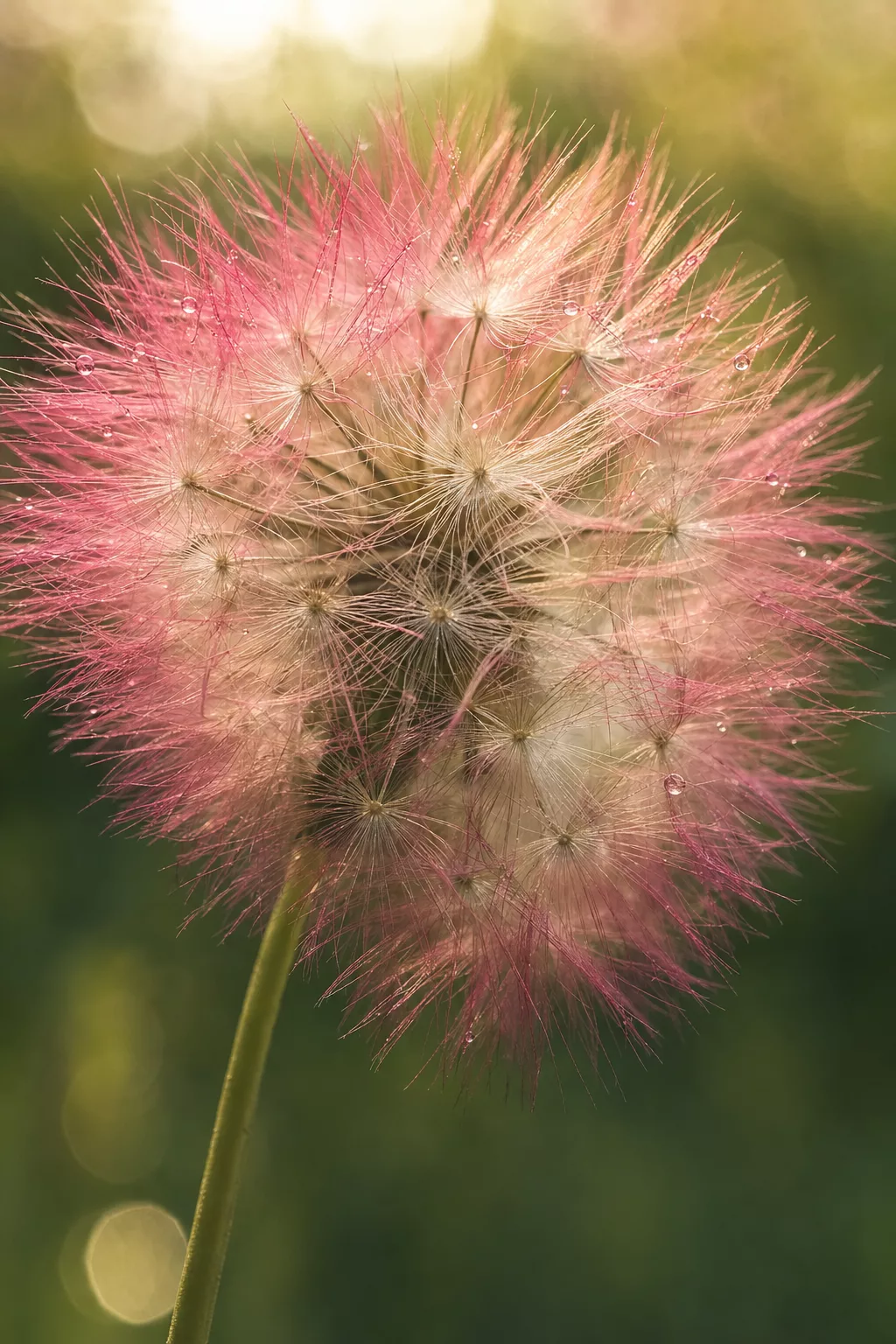
The technique is similar to the principle of dyeing Easter eggs with natural dyes: Here too, the acid in the bath determines how rich and lasting the result will be.
The most common mistakes and how to avoid them
Everything rarely goes perfectly on the first try. Luckily, almost all mishaps can be easily explained – and avoided next time.
Glue the umbrellas together. This almost always happens when too much hairspray or a spray that is too wet hits the flower. Keep a distance of at least 25-30 cm and spray twice very thinly rather than once thickly.
The flower does not open properly. The seeds were usually too wet or too ripe when diving. Freshly picked, half-closed flowers open most reliably when dried.
The color appears pale. Then there was too much water in the bathroom. Less water, more color and vinegar as a fixer produce significantly stronger tones.
Pro tips
- Dose the color generously: It’s better to have a dab too much food coloring than too little – pale results can hardly be saved afterwards.
- Save water: Use only as much water as necessary; the concentrated solution colors noticeably more intensely.
- Work quickly: Immerse several flowers in a row while the bath is hot – cooled water is less absorbable.
- Hairspray from a distance: Only apply a fine, dry mist, otherwise the seed hairs will stick together.
- Sacrifice test flower: Dye the first dandelion as a test to estimate the color and dip time before working on the rest.
Creative decoration ideas with colored dandelions
Once the flowers are dry and fixed, the most beautiful part begins. Dyed dandelions are amazingly versatile and suit almost every living style.
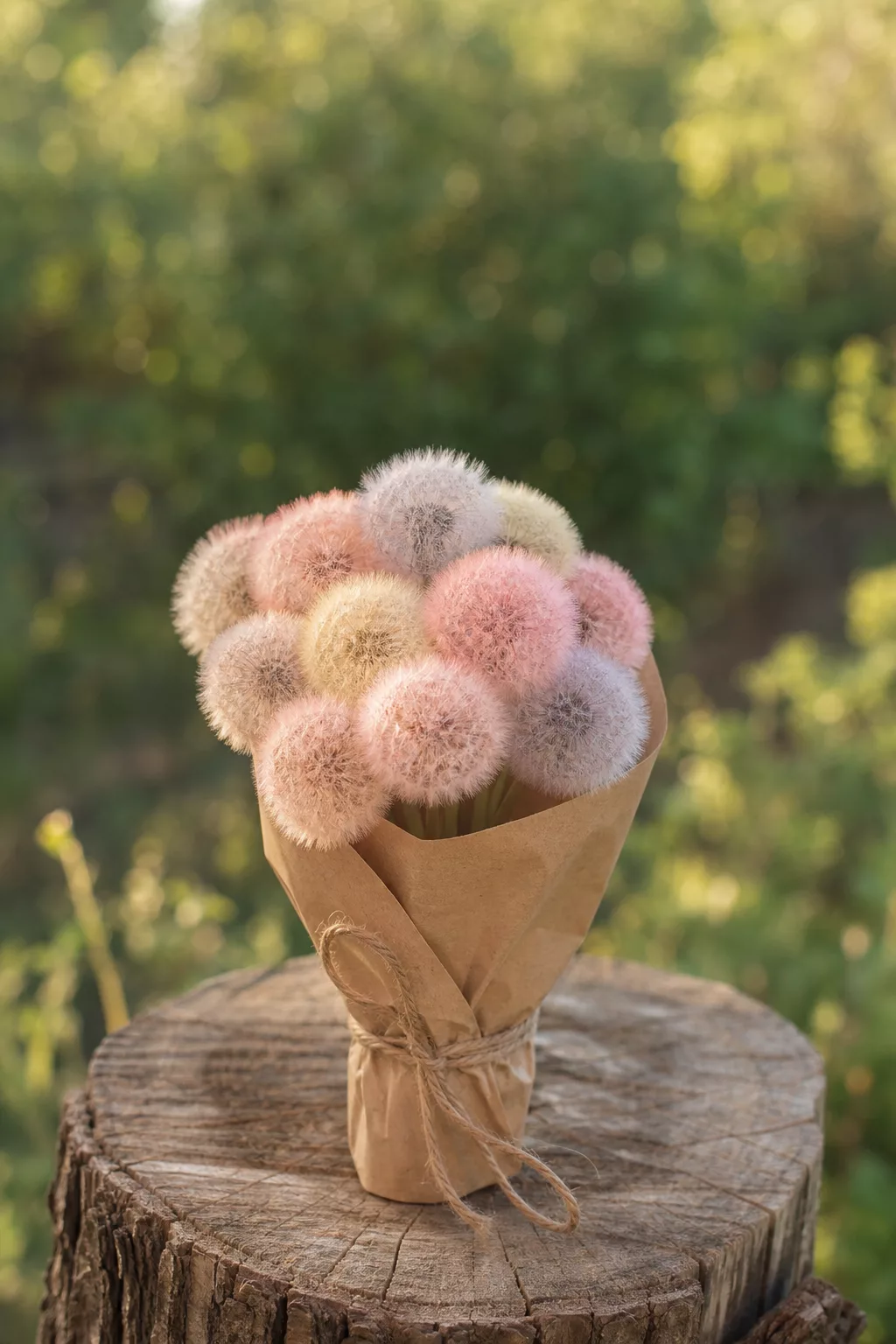
They look easiest when lined up in small vases – each in a different color. Collected in a jam jar, several tones together create a delicate eye-catcher for the dining table. As a small gift in a sealed jar, they quickly become a “wish fulfiller” that can be given away without the ball blowing up on the way.
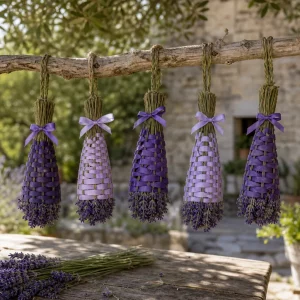
It becomes particularly atmospheric in combination with other natural materials. Dyed dandelions next to dried grasses, gypsophila or a few lavender stems look like a thoughtful dried flower arrangement. If you want to round off the summer decoration, combine it with a homemade lavender basket as a summer decoration. And as a photo motif against the light, the colored umbrellas are unbeatable anyway – just as popular as the filigree dandelion as a permanent tattoo motif.
What’s Hot

DIY decoration
Making lavender baskets: instructions for summer decorations
Frequently asked questions
How long do colored dandelions last?
Well fixed and protected from drafts, the flowers last for several weeks to months. The location is crucial: direct drafts, moisture and frequent touching significantly shorten the enjoyment. They stay intact for the longest time in a closed jar or under a glass dome.
Which food coloring is best?
Gel pastes provide the strongest coloring because they are more concentrated than liquid colors. But classic liquid food coloring also works well, as long as you use a generous amount and use little water. Strong basic tones such as pink, blue and yellow deliver the most beautiful results.
Why do the umbrellas stick together after fixing?
It’s almost always the hairspray. If you spray too much or apply the jet too wet, the fine fibers stick together and the airy structure is lost. Therefore, only spray a very thin mist from a distance of at least 25 cm – and only when the flower is completely open and dry.
Can you color dandelions with watercolor instead of food coloring?
Basically yes, but food coloring remains the most reliable choice. Watercolor absorbs more unevenly and can weigh down the fibers. Textile dye, on the other hand, is often too aggressive for the delicate seed hairs. If you are keen to experiment, test on a single flower first before trying the whole bouquet.
Dyed dandelions are one of those DIYs where the effort is tiny and the effect is big. On your next walk, grab a handful of dandelions, try out one or two colors – and be surprised at how elegant a wayside herb can look.